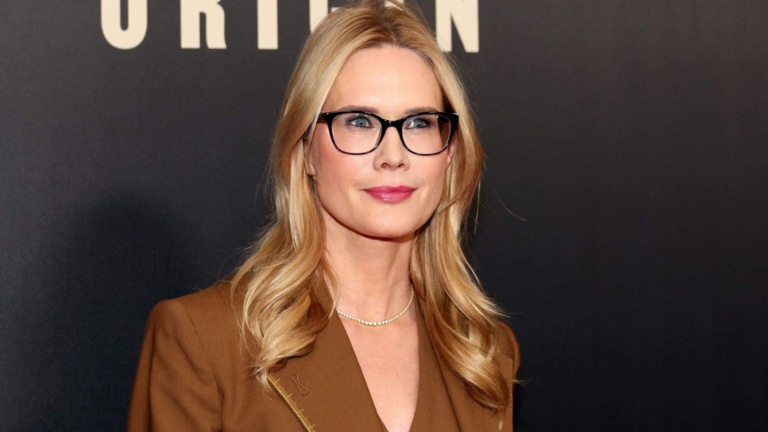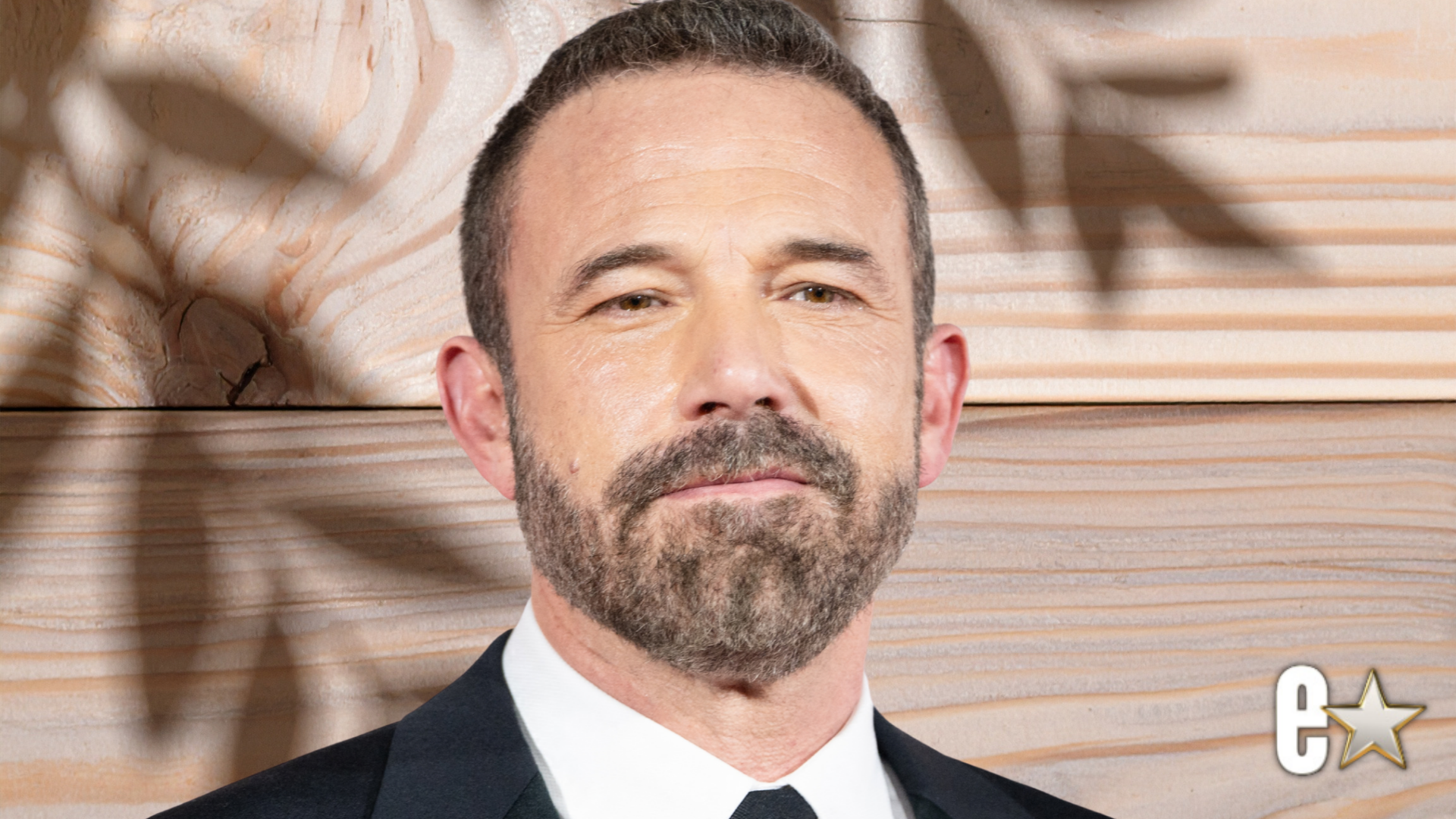
Ben Affleck recently revealed the rhythm that keeps his family together: one week with him, the next with ex‑wife Jennifer Garner, a system that lets their three children—20‑year‑old Violet, 17‑year‑old Fin, and 14‑year‑old Samuel—grow in both homes. The actor said that this arrangement is not only about shared custody; it’s a strategy that lets him stay close to the people who matter most, while still pursuing a demanding career in Los Angeles.
In a candid conversation with an industry publication, Affleck described how he juggles work and family. He explains that each weekday begins with a pickup at the school, followed by a home‑cooked dinner that the kids “agree to hang out” with him for. “My kids are here, and their life is flying by,” he said, emphasizing that the decision to remain in the city is tied directly to the ability to be present for their formative years. The actor’s week‑on, week‑off model has kept the children’s routines predictable and their parents’ relationships steady, even as each adult follows a separate path.
Jennifer Garner, who has spoken publicly about her own perspective on raising their teenagers, welcomed the arrangement as a “coolest” experience—watching her kids become independent, make their own choices, and discover what feels right for them. The couple’s amicable split, maintained through shared holidays and special occasions, underscores a mutual respect that transcends past romance. Affleck’s desire to remain in Los Angeles, where his children live, is rooted in a sense of duty that has guided his recent career choices.
Background & Context
Affleck’s decision to adopt a bi‑weekly custody plan reflects a broader shift among Hollywood parents, who increasingly recognize the importance of flexibility in balancing family and work. With the entertainment industry’s long hours and unpredictable schedules, a predictable weekly rotation allows both parents to participate fully in their children’s education, extracurricular activities, and milestones. By ensuring that Violet, Fin, and Samuel spend equal time with each parent, the actor aims to preserve continuity and stability, even as the family navigates the challenges of adolescence.
The actor’s choice to remain in Los Angeles also speaks to a deliberate career strategy. Affleck has indicated that he steers away from projects that would require prolonged absences from the city, preferring roles that keep him near home. “I’m divorced, I have shared custody, and I don’t want to miss these years,” he said, underscoring that the weight of parenthood influences his filmography. This alignment of professional and personal priorities has been evident in his recent work on “Animals,” a film that originally intended to star Garner and Matt Damon before production changes reshaped the cast. Although the script demanded a married couple on screen, Affleck acknowledged that the fictional dynamic would feel too obvious, citing a need to keep personal and on‑screen lines distinct.
Beyond the domestic sphere, Affleck’s public commentary has touched on social media’s evolving role in an actor’s career. He praised both Garner and singer‑actress Jennifer Lopez for cultivating authentic online presences, suggesting that “influencing, when done right, is an honest day’s work.” By highlighting their success in this arena, Affleck signals an appreciation for modern marketing strategies that extend beyond traditional film promotion. His observations reflect a nuanced understanding of how personal brand, digital engagement, and mainstream visibility intersect in contemporary celebrity culture.
What People Are Saying
While Affleck’s interview focused on logistics and personal philosophy, reactions from fans and industry observers have varied. Supporters have praised the actor’s transparency and willingness to demystify the complexities of co‑parenting. Many social media commentators note that his candidness offers a relatable perspective for other parents juggling demanding careers. Some have even drawn comparisons to past celebrity families, citing a refreshing shift toward open dialogue about the realities of shared custody.
Within Hollywood circles, Affleck’s reflections on award recognition have sparked discussion. He singled out Jennifer Lopez’s work on “Hustlers,” remarking that the artist was “biased” in her craft yet overlooked by the Oscars. He described the Academy’s snub as a product of “subjective business” and suggested that commercial success does not always align with critical acclaim. His comments have ignited debate over the award system’s fairness, with some agreeing that merit can be eclipsed by politics, while others defend the Oscars’ long‑standing criteria.
Fans of Garner have also taken interest in the actor’s desire to collaborate with her on future projects. Affleck revealed that he remains open to working with Garner again, expressing that “finding something to do with her” could be creatively rewarding. Despite past speculation that their personal history might hinder on‑screen chemistry, the actor emphasized that a professional partnership would require a careful separation of personal and fictional dynamics. This nuanced stance has intrigued audiences eager to see how their collaboration might unfold without repeating past romantic tropes.
What Happens Next
Affleck’s bi‑weekly arrangement sets a precedent that may influence how other high‑profile families structure their time with children. By prioritizing the kids’ well‑being while maintaining a strong professional presence, the actor demonstrates that parental responsibilities can coexist with a demanding career. It remains to be seen whether the system will adapt as Violet enters adulthood and the children begin to carve out their own paths. Nevertheless, the framework already offers a model of flexibility and intentionality that could inspire other actors navigating similar challenges.
Professionally, Affleck’s upcoming work on “Animals” signals a continued commitment to projects that keep him close to home. The film’s production, which already involved a reshuffled cast, exemplifies the actor’s willingness to make compromises in pursuit of a creative vision that aligns with his personal life. Additionally, Affleck’s engagement with digital platforms—acknowledging the influence of Garner and Lopez—suggests a potential pivot toward roles that allow for broader online presence, perhaps through interactive media or transmedia storytelling.
On a personal level, the actor’s focus on family will likely evolve as his children approach adulthood. He has expressed a desire to stay involved in their lives as they transition from adolescence to independence, balancing this with the demands of a career that remains centered in Los Angeles. The week‑on, week‑off system will probably adapt to accommodate their growing needs, whether that means more frequent visits during pivotal moments or a gradual shift toward a different custodial arrangement as they mature.
In the end, Affleck’s candid revelation offers a window into the complexities of modern parenthood in the spotlight. By prioritizing his children’s presence and aligning his career to serve that priority, he challenges the narrative that fame and family are mutually exclusive. As the public watches, his story may become a blueprint for balancing the dual demands of the entertainment world and the everyday reality of raising a family.
The Bottom Line
Affleck’s week‑on, week‑off arrangement is more than a clever scheduling trick; it is a testament to the evolving nature of celebrity family life. By keeping his children in the heart of the industry while steering his career toward LA‑based projects, he proves that parental presence can coexist with professional success. This model challenges the outdated notion that fame must come at the cost of family, offering a practical solution for actors who must juggle long hours and tight travel schedules. The broader industry should take note: flexible custodial structures, coupled with strategic project selection, can enhance work‑life balance without sacrificing artistic integrity. MyWorldPulse stands behind this progressive approach, recognizing that the entertainment world’s future depends on authentic, family‑first storytelling—both on and off the screen.
Reference:
- Official post on the person's verified social media account
Read more celebrity news at MyWorldPulse.