Amazon's Prime Day slashes Hisense TV prices by up to 50%, and wins Emmy streaming rights
The October 6‑7 Prime Big Deal Days opened with an unexpected dual blow: shoppers could grab brand‑new Hisense TVs at half price, while Amazon secured a six‑year, multi‑million‑dollar deal that will put the Emmys on Prime Video for free. The two moves signal a broader shift in how consumers access home entertainment and how industry giants monetize prestigious events.
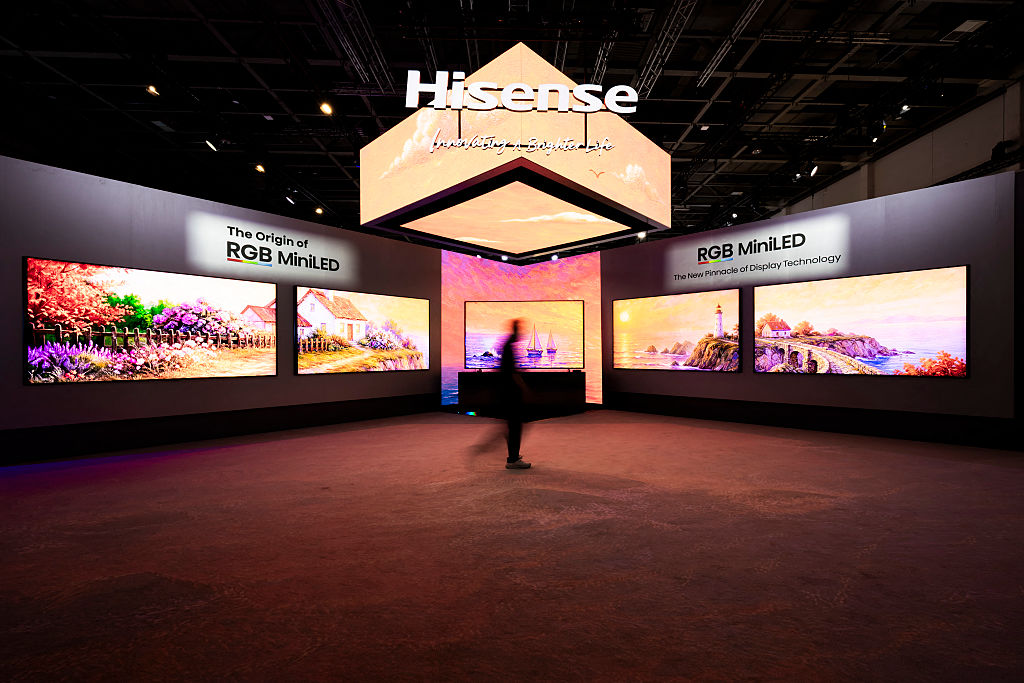
Amazon’s Prime Day, the retailer’s flagship sales event for its Prime members, is already a holiday in the digital marketplace. This year, its spotlight fell on Hisense, a leading home‑electronics brand, which offered some of its flagship 75‑inch “IMAX Enhanced” models at discounts of up to 50%. Consumers could save as much as $2,000 on a single unit—an offer that drew lines both online and in-store. The deals were part of a wider rollout that saw dozens of big‑screen TVs, sound systems, and smart home gadgets hit the bargain trail, turning the two‑day sprint into a veritable consumer carnival.
At the same time, Amazon inked a contract that could reshape the awards‑season landscape. The Television Academy’s Emmy Awards, the most prestigious of all television honors, have traditionally been a live broadcast on cable networks. Now, Amazon’s Prime Video will stream the ceremony for the next six years, a partnership valued at more than $20 million annually. While the exact figure was not publicly disclosed, the deal is estimated to exceed $120 million in total, making the Emmys “free to view” on the streaming platform. The move marks the first time the EGOT‑class awards have migrated entirely to a streaming service.
In a still‑evolving Hollywood, these developments are part of a broader pattern of consolidation. In a related headline, Paramount completed its takeover of Warner Bros, forming a new corporate entity that will trade on the New York Stock Exchange under the ticker SKD, after merging with the media‑technology company Skydance. The merger, valued at billions, creates the largest studio in Hollywood history and signals the next chapter for traditional film and television production.
---
Background & Context
The Prime Big Deal Days have been a staple for Amazon since 2022, offering steep discounts on a wide range of products. The focus on Hisense’s IMAX‑Enhanced televisions underscores a growing consumer appetite for high‑definition, cinematic experiences at home. By offering a 50% price reduction—potentially saving up to $2,000 per unit—Amazon not only drives traffic to its Prime platform but also positions itself as the go‑to destination for premium home entertainment. The discount is not a one‑off; Amazon’s strategy has historically involved bundling electronics with exclusive content, thereby encouraging cross‑purchase of devices and streaming subscriptions.
The Emmy streaming rights deal fits into a broader trend of industry bodies seeking digital outlets. For years, cable networks like HBO and CBS have held the exclusive rights to broadcast the ceremony, ensuring high subscription rates and viewership. Amazon’s agreement removes the event from cable entirely, allowing fans worldwide to watch the ceremony at no extra cost beyond their Prime membership. The six‑year term gives the Television Academy a stable revenue stream while giving Amazon a flagship event to showcase its original content capabilities.
Meanwhile, the Paramount‑Warner Bros merger, completed in mid‑October, merges two of the industry’s oldest studios into a single entity that also incorporates Skydance’s production and animation assets. The deal, which is expected to generate over $1 billion in annual revenue, reflects an industry response to the shifting economics of film distribution, streaming competition, and the need for diversified content pipelines. By merging, the new entity aims to streamline operations, reduce redundancies, and secure a larger share of the global market, especially as streaming platforms grow more competitive.
What People Are Saying
Consumers have been quick to react to Amazon’s dual announcements. Tech and lifestyle reviewers praised the 50% discount on Hisense TVs, noting the value proposition for those who wanted to upgrade from standard‑definition or mid‑range models. The savings of up to $2,000 on a 75‑inch IMAX‑Enhanced TV drew comparisons to other retailers, with many observers arguing that Amazon’s pricing strategy could undercut traditional electronics stores for the next decade.
Social media buzz around the Emmy streaming deal was immediate and polarized. Some fans celebrated the move to free, on‑demand viewing, which eliminates the need for expensive cable packages. Others lamented the loss of the televised ceremony’s grandiose production value, which often relies on the high budgets afforded by cable networks. Industry analysts suggested that the streaming partnership could increase Emmy visibility among younger audiences, potentially boosting the Television Academy’s relevance in an era where live TV viewership is declining.
The Paramount‑Warner Bros merger has attracted both excitement and scrutiny. Entertainment trade publications praised the merger as a bold step toward consolidation in a fragmented market. They highlighted the strategic advantages of combining content libraries, production facilities, and talent rosters. However, antitrust concerns have surfaced, with critics arguing that the new entity could dominate the market and stifle competition. The forthcoming regulatory reviews and shareholder votes will determine whether the merger faces significant hurdles.
What Happens Next
Amazon’s new deals set a clear trajectory for its future strategy. The discounted Hisense TVs are expected to boost hardware sales and increase Prime memberships, especially among households that prioritize premium visual experiences. Amazon will likely continue to pair hardware promotions with exclusive streaming content to retain subscribers and deepen engagement.
The Emmy streaming rights deal provides Amazon with a high‑profile event to anchor its original programming slate. Prime Video is already adding Emmy‑related documentaries, behind‑the‑scenes series, and limited‑run specials, capitalizing on the brand’s new association with the awards. With the ceremony free to view, Amazon may also explore monetization through ancillary advertising, sponsorships, or premium access tiers that offer additional content, such as extended backstage footage or early releases of nominee trailers.
As for the Paramount‑Warner Bros merger, the newly formed Skydance‑Paramount entity will likely focus on integrating production pipelines, negotiating with streaming services, and expanding its international distribution. The company may pursue a slate of high‑budget films and serialized content to appeal to both theatrical and streaming audiences. The merger’s success will hinge on its ability to navigate regulatory scrutiny and avoid antitrust penalties while delivering compelling, profitable content in a highly competitive market.
For consumers, the implications are immediate: cheaper, higher‑quality TVs and a free, globally accessible Emmy ceremony. For the industry, the moves signal a consolidation of power and a strategic pivot toward streaming platforms as the primary vessel for both content distribution and event broadcasting. The next few months will reveal how these developments reshape the relationship between audiences, technology, and the entertainment industry’s traditional power structures.
The Bottom Line
Amazon’s strategy proves that when a retailer owns both the device and the content, it can shape consumer habits at an unprecedented scale. By slashing Hisense TV prices and tying the savings to Prime membership, Amazon not only boosts hardware sales but also deepens its subscription moat. The Emmy deal, while a boon for viewers, also signals a broader move away from cable, underscoring the streaming wars’ intensity. The Paramount‑Warner‑Skydance merger, though ambitious, risks stifling competition if regulators fail to curb antitrust concerns. For fans, the short‑term payoff is clear: cheaper, higher‑quality home entertainment and free access to one of television’s most celebrated events. For the industry, however, these moves hint at a future where a handful of tech giants could dominate both the hardware and content landscapes, potentially squeezing out smaller players. MyWorldPulse urges vigilance—celebrate the savings, but demand transparency and fair competition in the evolving media ecosystem.
Reference:
- Amazon Prime Day Deal Announcement
- Prime Video Announces Emmy Rights
Read more celebrity news at MyWorldPulse.