In a quiet apartment on the outskirts of Tokyo, an eight‑year‑old girl named Runa Hirata slipped away, her breathing slow and unsteady as a winter breeze. The eight‑year‑old idol, a rising star with a sparkling smile that had already lit up stage lights and screens alike, succumbed to myocarditis brought on by influenza. Her last performance, a heartfelt rendition of a popular J‑pop ballad, had taken place on September 20, the five days that followed felt like an echo of the bright moments that defined her brief career.
The news of Runa’s passing came as a brutal shock to fans, the music community, and her family. The DIANNA Project, the agency that nurtured her talent, posted a succinct yet emotionally raw message: “Runa passed peacefully on September 25, the cause being myocarditis due to influenza. Our thoughts are with her family, friends, and every supporter.” The simplicity of that announcement carried an almost cinematic weight, a stark counterpoint to the bright glitz that fills every page of pop‑culture headlines.
As we grieve for a life cut far too short, we’re reminded that the world of entertainment is as fragile as it is dazzling. One day a star may shine in a glittering gown on a red‑carpeted stage; the next, a small voice may be silenced by a silent, invisible disease. In the same breath that mourns Runa, the scene shifts to the very arenas that shape the pop‑culture landscape, where young performers such as Sabrina Carpenter have been turning heads on the Met Gala, Vanity Fair, and the Grammys.
Background & Context
Runa Hirata, a native of Osaka, entered the competitive world of idol training at a tender age, her tiny frame and bright eyes catching the attention of the DIANNA Project’s talent scouts. She debuted as a trainee and quickly became a beloved figure among fans who adored her energetic performances and the sincerity that radiated from her stage presence. Though her career was still in its infancy, she had already captured the imagination of thousands, her last public appearance on September 20 proof of her unbroken spirit.
Her sudden death was a direct result of myocarditis, an inflammation of the heart’s muscular layer that can arise after viral infections such as influenza. This condition can deteriorate cardiac function in hours, if not days, making early detection difficult. The DIANNA Project’s statement clarified that the illness had developed in the weeks leading up to her death, and that the family was deeply grateful for the outpouring of love from fellow idols and fans alike. The agency’s succinct words reflected a desire to keep the focus on Runa’s memory rather than the procedural details of her passing.
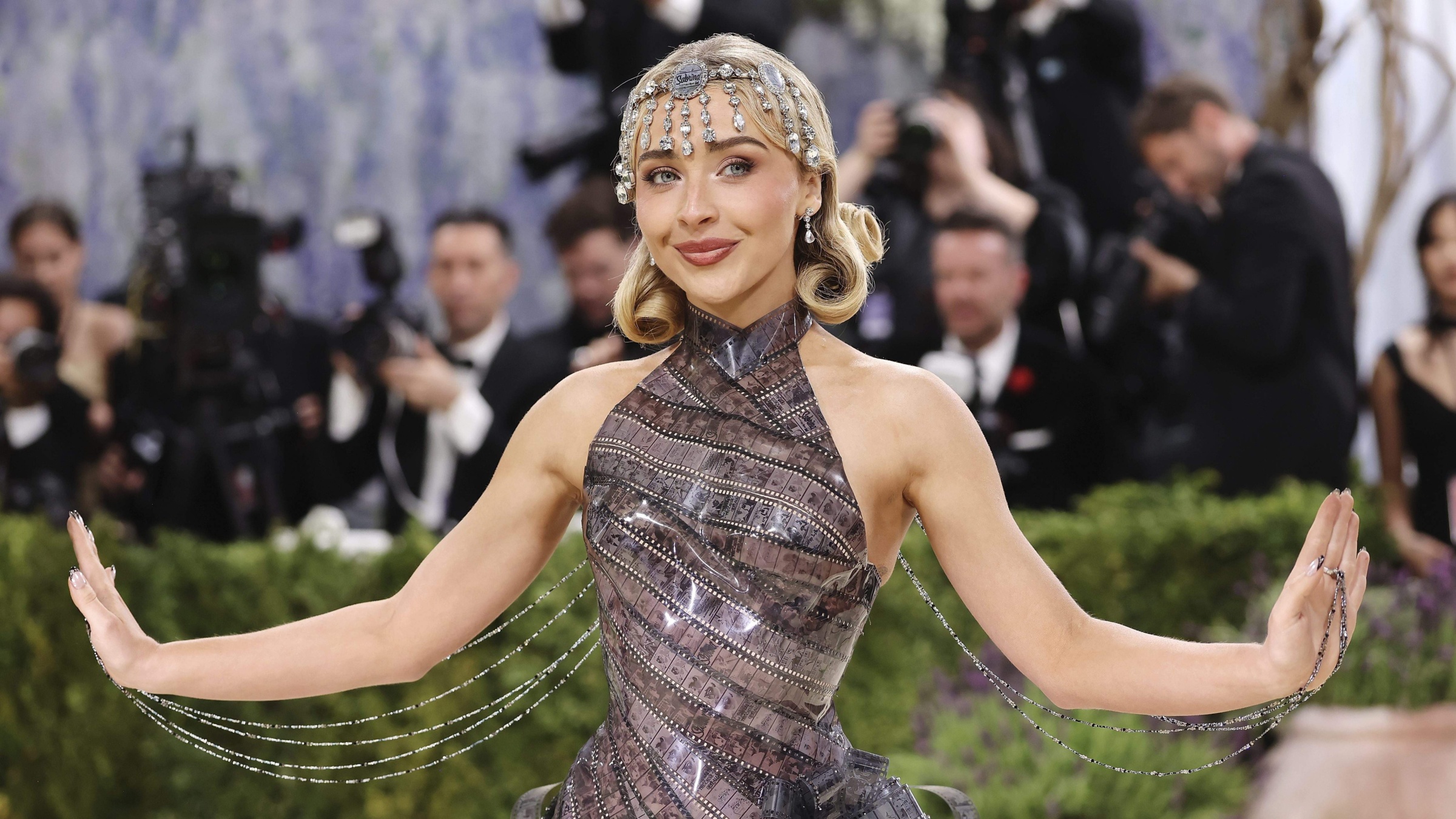
Meanwhile, in a parallel vein of the entertainment world, singer‑songwriter Sabrina Carpenter, who turned 27 earlier this year, has carved out a reputation that extends beyond chart‑topping singles. With hits like “Nonsense,” “Feather,” “Espresso,” “Please Please Please,” and “Manchild,” Carpenter has transitioned from Disney Channel darling to a fashion icon whose red‑carpet appearances are dissected and celebrated by fans. Her 2022 Met Gala ensemble—a golden Paco Rabanne two‑piece shimmering in a silver bra top and a crystal‑embroidered gold skirt—was the epitome of opulent elegance. At the same year's MTV Video Music Awards, she chose a multi‑colored floral sequined Moschino gown, exuding retro vibes. Fast forward to 2024, she graced the Pre‑Grammy Gala in Los Angeles wearing a sleek black satin David Koma dress adorned with crystal flower motifs, and later that year dazzled at Vanity Fair’s Oscar Party in a black Tory Burch snakeskin corset paired with a shimmering skirt. In 2026, her presence at the Met Gala was even more audacious, donning a custom Dior gown composed of rhinestone‑embellished film strips from the 1954 classic “Sabrina.” These sartorial choices illustrate a career that has consistently embraced both innovation and homage, making her a staple in the glossy pages of fashion week and celebrity coverage.
The juxtaposition of these two narratives—Runa’s sudden loss and Carpenter’s meticulous runway triumphs—underscores a broader truth about the music and entertainment industries. While the lights and applause celebrate a performer’s talents, they also mask the unpredictable fragility that accompanies the human experience. Both stories share a common thread: the fleeting nature of fame, the intense scrutiny that comes with it, and the enduring impact a single individual can leave behind.
What People Are Saying
Runa’s death has sent ripples through the idol community and beyond. On social media platforms, fans have taken to posting tributes that range from candid snapshots of her smiling face to heartfelt messages of grief and remembrance. The hashtag #RunaHirata has trended, gathering over a million posts in just a few days, reflecting a global community’s collective sorrow. Fellow idols have expressed their loss in poignant messages, thanking Runa for her kindness and the joy she brought to their own lives. Their words, often handwritten in stylized calligraphy, emphasize how her presence was a source of inspiration and camaraderie during rehearsals and performances.
The DIANNA Project’s brief statement was met with both empathy and a quiet request for privacy. Fans respected the agency’s decision to keep the family's private life out of the public eye, acknowledging that grief is a personal journey. In contrast, Sabrina Carpenter’s own social media activity during this time offered a subtle nod to the industry’s shared vulnerability. While she avoided direct commentary on Runa’s passing, she posted a black‑and‑white photo of herself at a recent charity event, the caption reading simply, “In memory of all who’ve left us too soon.” The gesture resonated with followers who see in it an acknowledgment of the delicate balance between ambition and human frailty.
Across the internet, music critics and journalists alike have framed Runa’s story as a stark reminder of how diseases can affect anyone, regardless of their public stature. They noted that while the world watches idols perform in choreographed splendor, many of these young artists endure physical and mental strains that are often invisible to the outside eye. Runa’s untimely death, therefore, ignited conversations about healthcare support, early detection, and the duty of agencies to prioritize the well‑being of their talent.
Sabrina Carpenter, for her part, continues to be a subject of media attention. Her 2026 Met Gala look, for instance, sparked debates about nostalgia and artistic reference, especially given the film strip design referencing Audrey Hepburn’s classic role. Critics praised the daring integration of old Hollywood aesthetics with modern couture, while others discussed how such choices reflect the broader industry trend of re‑imagining past icons. The public’s reception to Carpenter’s outfits often mirrors the same emotional engagement seen in reactions to Runa’s sudden passing: a mixture of admiration, reflection, and an underlying sense of loss that comes with seeing a persona evolve.
In both cases, the responses emphasize how fans and observers connect deeply to these figures, not merely for their artistry but for the humanity they represent. The intersection of heartfelt mourning and celebratory fandom paints a complex picture of modern celebrity culture—where the celebration of talent goes hand‑in‑hand with an intimate awareness of its creators’ mortality.
What Happens Next
The DIANNA Project has not yet released a detailed plan for Runa’s memorial services, but the agency’s initial announcement indicated that a private ceremony would be held in Tokyo, attended by close friends and family. The group has invited the community to leave messages in a dedicated online tribute page, a digital place where fans can share memories and support one another in their grief. While no public concert or tribute event has been scheduled yet, it is anticipated that a small, intimate gathering will serve as a platform for those who loved Runa to honor her legacy.
Meanwhile, Sabrina Carpenter’s schedule appears to be on a steady path toward new musical releases and concert dates. With her next single slated for release in late October, she has announced a small intimate tour across the United States, a move that signals a shift toward more personal engagement with audiences. Her management team has hinted at an upcoming documentary that will explore her journey from a Disney star to a fashion‑forward artist, a project that may highlight her thoughtful approach to both music and style.
The industry at large may feel the impact of Runa’s loss in more subtle ways. Talent agencies are increasingly reviewing health protocols, ensuring that performers receive adequate medical support during rigorous schedules. The incident has also spurred conversations about how viral illnesses can be monitored and managed in high‑profile environments, especially for young performers whose bodies are still developing. Some agencies are already implementing comprehensive wellness programs, including regular cardiac screenings for idols who participate in strenuous performance routines.
On a cultural level, Runa’s death is expected to inspire tributes in the form of charity concerts and scholarship funds established in her name. These initiatives aim to honor her memory by fostering opportunities for young performers who may face health challenges. Simultaneously, her story will likely be referenced in discussions about mental and physical health in the entertainment industry, serving as a cautionary tale that underscores the need for greater transparency and support.
In Sabrina Carpenter’s own forthcoming projects, the influence of her past red‑carpet experiences will likely be evident. Whether she chooses to continue pushing the boundaries of fashion with future Met Gala ensembles or returns to more subdued, personal styling for her concerts, the impact of her past looks will shape how she navigates her evolving identity. As fans, we’ll watch her choices with the same reverence we give to Runa’s brief but luminous career, both stories reminding us that every performer carries a story that goes beyond the spotlight.
In the quiet aftermath of Runa Hirata’s passing, we find ourselves reflecting on the fleeting nature of talent and the shared humanity that binds us all. The dazzling glow of a red carpet can only do so much to mask the underlying fragility that exists within each performer. As we mourn, we also celebrate the indelible marks left behind by those who dared to shine, even if only for a moment.
The Bottom Line
Our view is that Runa Hirata’s untimely death is a stark warning: the entertainment industry must put rigorous health safeguards above the relentless pursuit of stardom. The sheer scale of fan grief, amplified by the #RunaHirata wave, shows how deeply audiences care about the well‑being of young performers. It is time for agencies to implement mandatory cardiac screenings, provide comprehensive medical support, and foster transparent health policies. This isn’t merely about preventing another tragedy—it’s about honoring Runa’s legacy by ensuring future idols can shine safely. We call on industry leaders, sponsors, and regulators to collaborate on robust wellness programs that are not optional but standard practice. Only by doing so can we protect the talent that fuels our culture and give fans the peace of mind that their beloved stars are genuinely cared for.
Reference:
- Official post on the DIANNA Project’s verified social media account
- Official post on Sabrina Carpenter’s verified Instagram account
Read more celebrity news at MyWorldPulse.