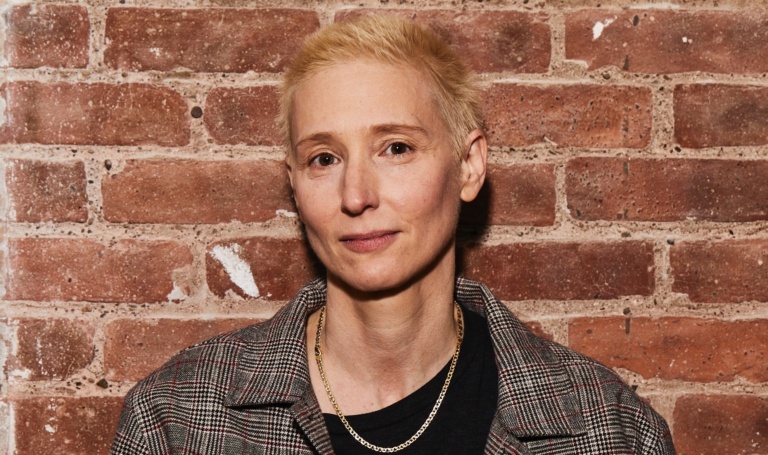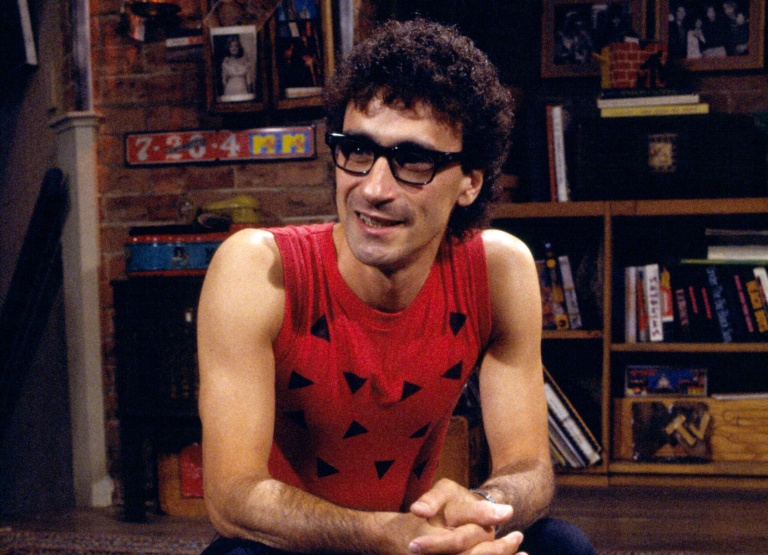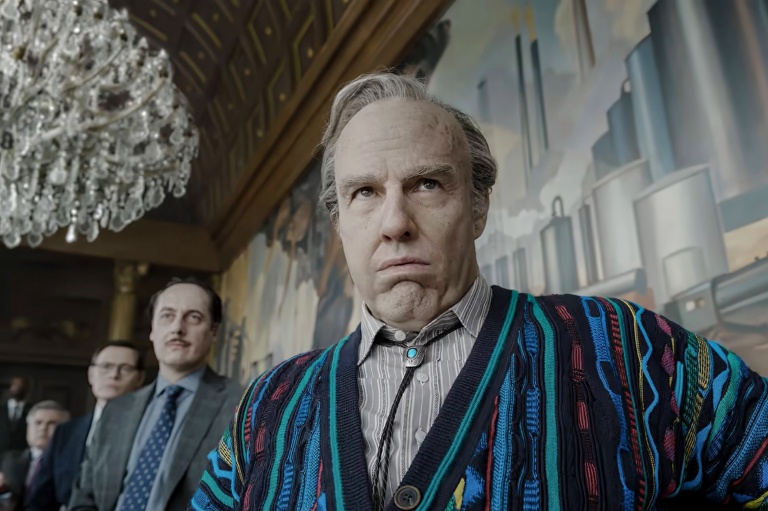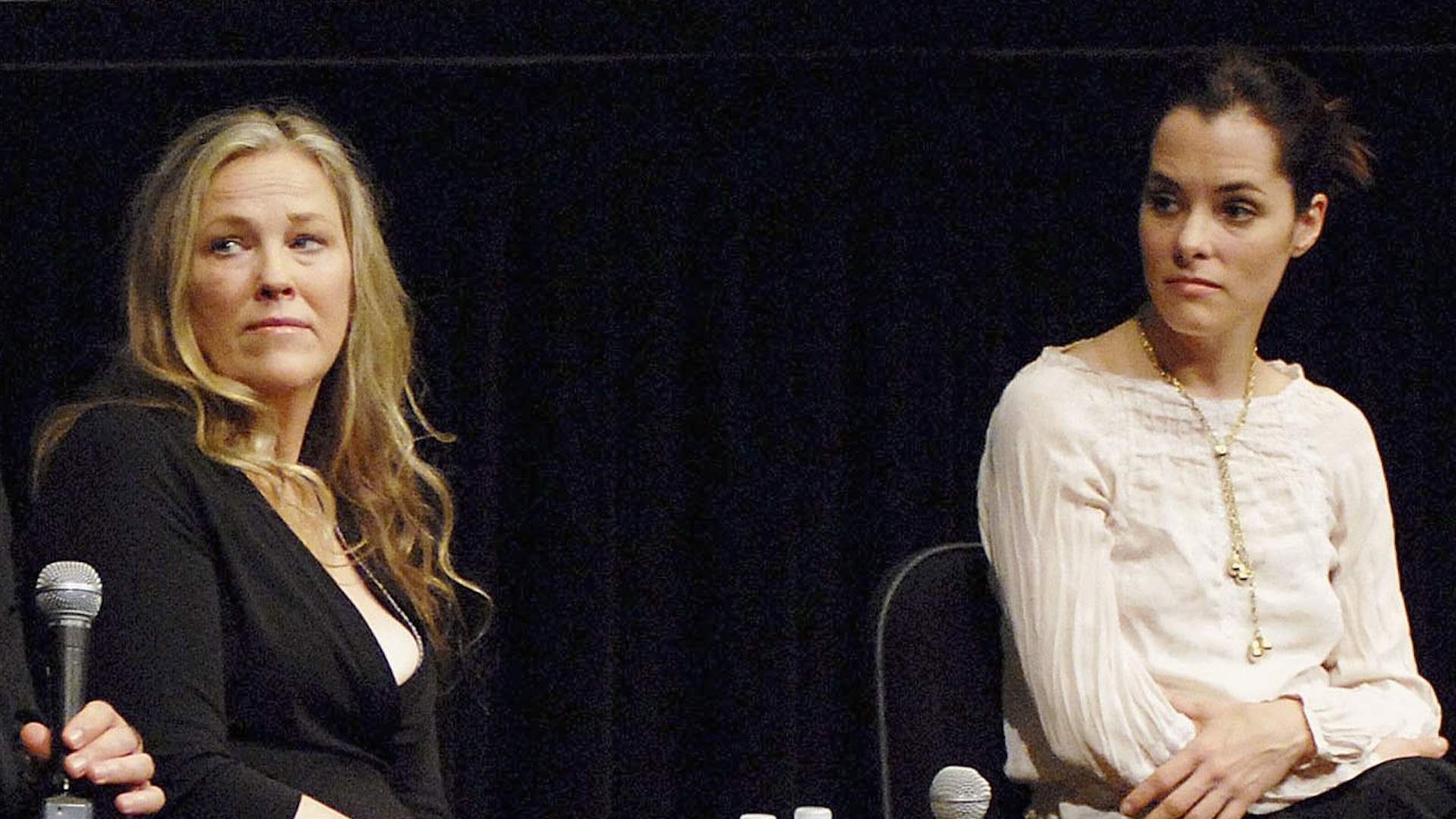
Parker Posey’s voice cracked on “The Kyle Buchanan Show,” where she recalled watching a scene from A Mighty Wind that brought her to tears over the decades‑long friendship of her late co‑star, Catherine O’Hara. The actress, who is now known for her sharp turn in The White Lotus and her recent reality‑TV stint on The Mob, let the memory of O’Hara’s warmth and wit seep into every word she spoke. The late comedian, who passed in January at age 71, was more than a colleague; she was a muse, a partner in laughter, and a friend who inspired a generation of performers.
The clip that stirred Posey was the final, bittersweet performance in A Mighty Wind, where O’Hara and Eugene Levy’s characters, Mitch and Mickey, reunited to sing “A Kiss at the End of the Rainbow.” The moment, rehearsed for an Oscar‑nominated song, had become an emotional touchstone for many who grew up watching the mock‑documentary. Posey explained that watching the scene again, she found herself “feeling the exact same things that the audience feels,” and the sight of O’Hara’s gentle smile, framed by the stage lights, sent her back to a living room in Washington, D.C., where the pair had practiced in the wings of a punk club. It was a glimpse of a partnership that had spanned 30 years, a partnership that had shaped not only their own careers but also the quirky humor that defined Christopher Guest’s films.
The sudden outpouring of emotion from the actress underscored the impact of O’Hara’s legacy. She had become a defining voice in comedy, from Schitt’s Creek to her groundbreaking work in the “Best in Show” ensemble. Posey’s tearful recollection highlighted the unique blend of generosity and creativity that O’Hara brought to every set—a quality that made the cast feel at ease, turning rehearsal into a playground of laughter and spontaneous ideas.
Background & Context
The trio of Posey, O’Hara, and Levy first collided on the screen in Waiting for Guffman, where their distinct comedic timing carved a niche in the mock‑documentary subgenre. That initial collaboration was only the beginning. Best in Show further showcased O’Hara’s improvisational genius, particularly in a scene where she “bubbled up” an idea for the “funniest walk,” prompting the entire cast to laugh until they could no longer hold it together. The laughter was more than comic relief; it was proof of the camaraderie that existed behind the cameras. In an industry often marked by cutthroat competition, the trio’s ability to foster such an environment was rare and deeply admired.
When the group filmed A Mighty Wind, the filmmakers chose to take the satire off‑screen as well. A live concert tour promoted the film, allowing O’Hara, Levy, and the other cast members to perform the mock‑folk music in front of real audiences. The tour’s intimate venues—from a punk club in D.C. to a bustling coffeehouse in Seattle—provided a platform where the fictional characters could bleed into reality, and where Posey remembered the raw energy of O’Hara’s performance. It was during one of these shows that the sense of camaraderie reached its peak; the audience was not just watching a comedy but witnessing a genuine friendship manifest onstage.
The climax of the film’s musical journey came at the 75th Academy Awards. The song “A Kiss at the End of the Rainbow” earned an Oscar nomination for Best Original Song. O’Hara and Levy stepped onto the stage, fully in character, delivering a heartfelt rendition that left the audience in tears. The moment was so intense that Levy, in a later interview on Live with Kelly and Mark, described the backstage nerves: “You’re standing in front of a crowd that’s all eyes on you, and you’re wondering, ‘What are we doing here?’” The sheer vulnerability of the performance cemented O’Hara’s place in cinematic history.
What People Are Saying
In her tear‑filled interview, Posey described the experience of watching O’Hara and Levy’s final performance as “beautiful” and “loving.” She noted that the duo had worked together for three decades, a period that saw them evolve from shy newcomers to seasoned performers who could read a room with a single glance. Posey remembered the day they rehearsed in a dingy club, where O’Hara’s laughter was contagious, turning rehearsal into a celebration. “It was so beautiful,” she said, fighting back tears.
Levy’s recollection of the Oscars adds another layer to the narrative. He recalled standing on the stage as Jamie Lee Curtis introduced them—Curtis being the film’s director—and looking over to O’Hara with a mixture of awe and disbelief. “It was one of the most nerve‑racking experiences I’ve ever gone through,” he said, emphasizing the weight of stepping into the limelight while embodying a fictional couple that had become a cultural icon.
Fans and fellow actors have taken to social media to express their own memories of O’Hara’s infectious humor. In the weeks following her death, countless tributes highlighted her influence on contemporary comedy. Many recalled her improvisational spark, especially in Best in Show, where her spontaneous “funniest walk” became a meme that continues to spread. Other comedians have spoken about O’Hara’s mentorship, describing her as a “creative force” that made the set feel like a second family.
Industry insiders also point to O’Hara’s lasting impact on the mock‑documentary genre. Christopher Guest, who directed all of the films in which Posey and O’Hara appeared, has praised her “generosity” and “creative vision,” noting that she often came up with ideas that made the scripts more realistic. Guest’s work has become a touchstone for directors looking to blend comedy with documentary elements, and O’Hara’s contribution is seen as a cornerstone of that success.
What Happens Next
As the film community reflects on O’Hara’s legacy, several projects are poised to honor her memory. The cast of A Mighty Wind and Best in Show have expressed interest in a possible reunion, albeit in a format that would pay homage rather than revive old material. Posey, who has been quietly working on new projects, has hinted at a desire to bring O’Hara’s spirit into future roles, perhaps through a character that embodies her fearless improvisation.
Beyond the on‑screen tributes, the upcoming comedy festival scheduled for next spring will feature a special tribute to O’Hara, where comedians who were inspired by her will perform new material. Posey is expected to speak at the event, sharing her memories of rehearsals and performances that she said were “the best days of her life.” The festival’s organizers hope that the tribute will bring together a new generation of performers, allowing them to learn from the legacy of a trailblazer.
On a personal level, Posey has announced that she will be documenting her experiences in a memoir that will focus on the collaborative spirit of film sets. While the book will not center solely on O’Hara, the late comedian’s influence will undoubtedly be a recurring theme. Fans can expect a candid look at the moments that defined their partnership and how those moments continue to shape Posey’s work today.
In a world that often feels divided, the story of Parker Posey’s tearful remembrance serves as a reminder that comedy is rooted in humanity, that laughter can be a bridge between strangers, and that the bonds formed on set can last a lifetime. Catherine O’Hara’s laughter, her creative spark, and the friendship she shared with Eugene Levy and Parker Posey will endure in the hearts of those who watched them perform and in the countless jokes and scenes that still bring smiles to audiences worldwide. The music may have ended, but the chorus of friendship remains, echoing across stages, screens, and the memories of a generation that grew up laughing alongside her.
The Bottom Line
At its core, this story is about more than a single performer’s passing; it is a testament to the connective tissue that binds the comedy community. Catherine O’Hara’s career, marked by fearless improvisation and a unique blend of wit and generosity, set a standard that countless actors and writers still strive to meet. Parker Posey’s tearful recollection reminds us that comedy is not just about punchlines—it’s about the shared vulnerability and camaraderie that create authentic moments. The industry’s forthcoming tributes and the prospect of a reunion are not mere nostalgia; they are deliberate acts of preservation and education, ensuring that the next wave of comedians inherits the principles that O’Hara championed. For audiences, the emotional resonance of Posey’s tribute offers a deeper understanding of the human stories behind the laughs. As we honor O’Hara’s legacy, we must continue to foster collaborative spaces that encourage experimentation and mutual respect, honoring the spirit of friendship that sustained her career and continues to shape the future of comedy.
Reference:
- Official post on the person's verified social media account
Read more celebrity news at MyWorldPulse.