Rob Lowe, 54, Reveals Tony Richardson Told 'Hotel New Hampshire' Cast to Have Sex with Each Other
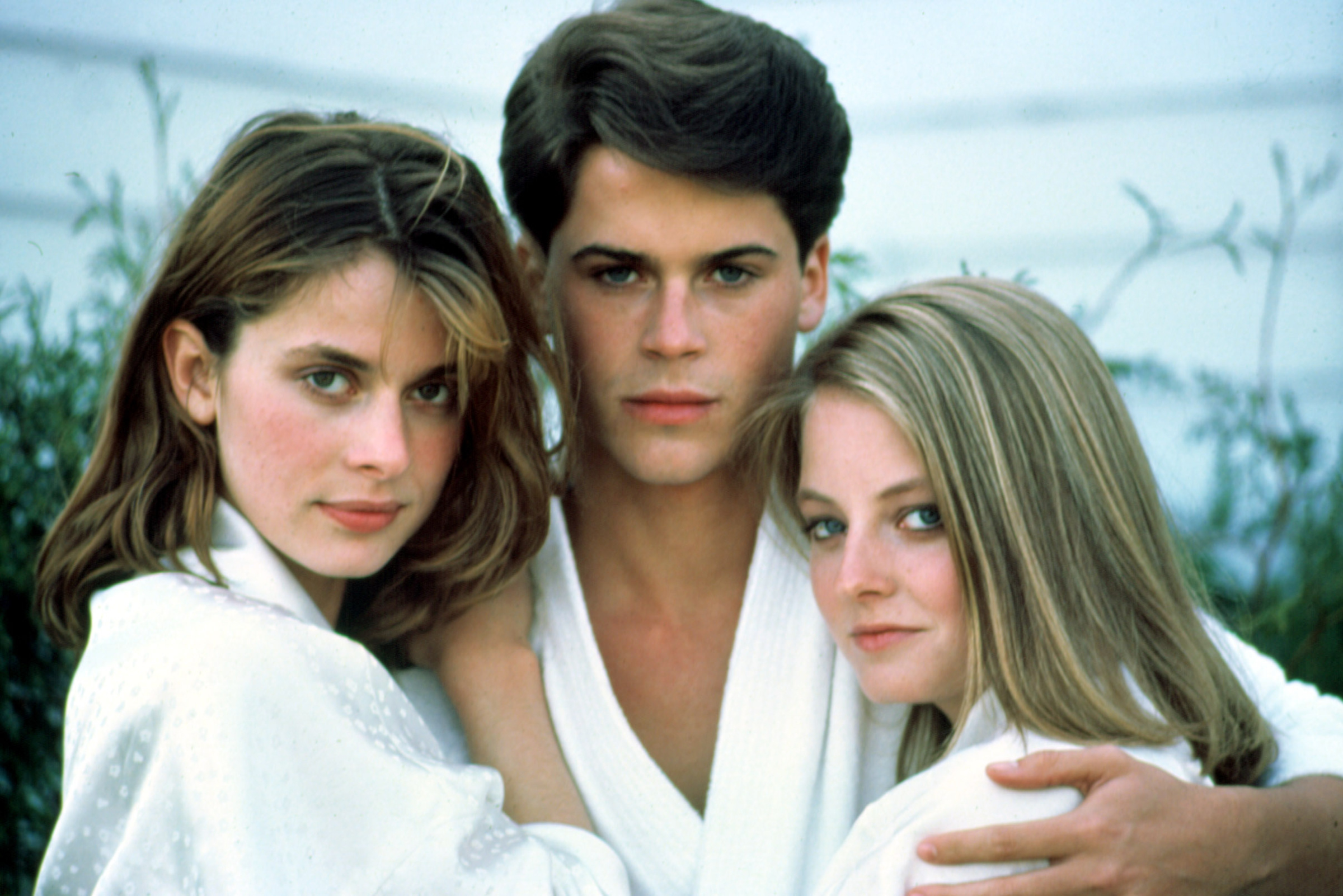
The revelation came from a familiar face on the screen, Rob Lowe, who, in the Netflix documentary The Outsider, said director Tony Richardson encouraged the cast of the 1984 classic Hotel New Hampshire to engage in sexual encounters on set. The claim, centered on a film that starred Nastassja Kinski, Jodie Foster, and other notable actors, throws a new light on the production practices of early 1980s Hollywood. Lowe, who landed the role after his breakthrough performance in Francis Beckett, details a scene of creative freedom that blurred the line between art and exploitation. The documentary, released amid a busy calendar of film retrospectives, has stirred a wave of conversation among fans and industry veterans alike, as many begin to question how much of the era’s cinematic magic was built on unspoken agreements that today would raise serious ethical concerns.
The story surfaced when the film’s former cast were invited to share their memories on The Outsider, a documentary that aims to chronicle the behind‑the‑scenes stories of beloved movies. Lowe’s testimony—presented as a candid confession—suggests that Richardson fostered an atmosphere in which sexual interaction was not just tolerated but encouraged as part of the creative process. The narrative is woven into a broader exploration of the era’s collaborative spirit, juxtaposing the film’s idyllic Vermont setting with the complex power dynamics that underpinned its production. For fans who grew up watching the film’s quirky, family‑driven storyline, the revelations add a layer of discomfort, prompting a re‑examination of the characters they admired.
---
Background & Context
Hotel New Hampshire emerged from the mind of playwright‑filmmaker Tom Mills and director Tony Richardson, a pair who had previously collaborated on the 1981 horror classic The Shining. The film, adapted from John Cheever’s novel, follows the eccentric Birkbeck family as they navigate love, loss, and adventure across a span of decades. Its narrative, rich in dialogue and character development, captured the imagination of audiences in the mid‑80s and earned critical acclaim for its balance of humor and pathos.
The production environment of the 1980s, particularly in independent filmmaking circles, was characterized by a mix of creative ambition and a loose moral code. Richardson, known for his unorthodox methods, often sought to dissolve barriers between actors, believing that personal authenticity could translate into more compelling performances. He reportedly encouraged his actors to draw from their own experiences and, according to Lowe, even to share intimate moments on set as a way of breaking down the artificial distance that separates performers from their roles. This approach, while celebrated by some for its boldness, was less widely discussed outside the film’s immediate circle.
The film’s cast—comprised of emerging stars such as Jodie Foster and the European actress Nastassja Kinski—was assembled during a period when the Hollywood star system was still evolving. Many of the actors were eager to prove themselves, and the allure of working with a visionary director like Richardson drew them into a collaborative environment that, by today’s standards, would be considered highly controversial. In the years since, discussions about power imbalances and the sexual exploitation of actors have taken center stage in industry debates, prompting a re‑evaluation of past practices.
---
What People Are Saying
The reaction to Lowe’s disclosure has been swift and varied. Among longtime fans of Hotel New Hampshire, there is a sense of betrayal—an emotional disconnect between the film’s wholesome facade and the unsettling details of its production. Social media threads, while not featuring direct quotations from cast members, have reflected a broader discomfort with the idea that such a celebrated work may have been built upon questionable conduct. The film’s enduring popularity has only amplified the scrutiny, as audiences now confront the possibility that the characters they adored may have been crafted in an environment that compromised personal boundaries.
Industry insiders, meanwhile, have noted that the claim underscores a pattern of directors using their position to manipulate actors. The conversation has shifted toward examining how many other films from the era might share similar histories. Film scholars, who have long studied Richardson’s oeuvre, suggest that while his penchant for challenging conventional boundaries contributed to the artistic acclaim of his projects, it also blurred the ethical lines that define responsible filmmaking. Although no other cast members have publicly confirmed or denied similar experiences, the disclosure has opened a dialogue about the need for clearer policies and protective measures in contemporary film sets.
The broader film community has used the conversation as a springboard for discussing the long‑standing issue of consent on set. Advocacy groups that focus on the safety of actors have pointed out that incidents of this nature are not isolated and have historically been met with silence. They argue that transparency and accountability are essential to preventing exploitation. The documentary’s release, therefore, has become a catalyst for renewed scrutiny of past productions and a push toward reforms that prioritize the well‑being of all involved.
---
What Happens Next
As the story unfolds, there are no immediate legal actions pending. The claims remain part of the documentary’s narrative, and no formal complaints have been filed with industry bodies. However, the disclosure is likely to prompt a review of the film’s production practices by those who hold oversight over historical archives and film preservation. The documentary itself, distributed by Netflix, has taken steps to provide contextual background, detailing the environment in which the film was made and offering insights into the director’s philosophy.
The long‑term impact on Hotel New Hampshire remains uncertain. While the film has already secured a place in cinema history as a quirky family adventure, the new revelations may influence how future audiences interpret its legacy. The industry may also reassess how it preserves and presents works from this era, ensuring that the narratives of all contributors are handled with sensitivity. In the immediate future, the conversation is likely to continue within academic circles and fan communities, as more details emerge and the film’s cast and crew provide further commentary.
For Rob Lowe, the interview represents a candid reflection on a formative period of his career. While he has not issued a separate statement beyond the documentary, his willingness to discuss the experience signals a broader cultural shift toward confronting uncomfortable truths from the past. The conversation around the film—and the director—serves as a reminder that the stories we cherish often come with hidden chapters that deserve to be acknowledged and addressed.
The Bottom Line
The MyWorldPulse.com editorial team believes that Rob Lowe’s disclosure is a pivotal moment for Hollywood’s reckoning with past abuses. While the film itself remains a charming family adventure, the hidden chapters of its production must not be glossed over. The industry’s duty is twofold: first, to investigate and address any lingering repercussions for those who may have been subjected to coercion; second, to establish clear, enforceable standards that protect actors from similar exploitation. This isn’t about tarnishing a beloved story; it’s about ensuring that the art we celebrate is built on respect, consent, and accountability. Fans deserve transparency, and filmmakers deserve a safe, respectful environment. By confronting these uncomfortable truths head‑on, the industry can transform past mistakes into lessons that fortify the future of storytelling. —MyWorldPulse.com Editorial Team
Reference:
- Rob Lowe’s verified Twitter post about the claim
Read more celebrity news at MyWorldPulse.