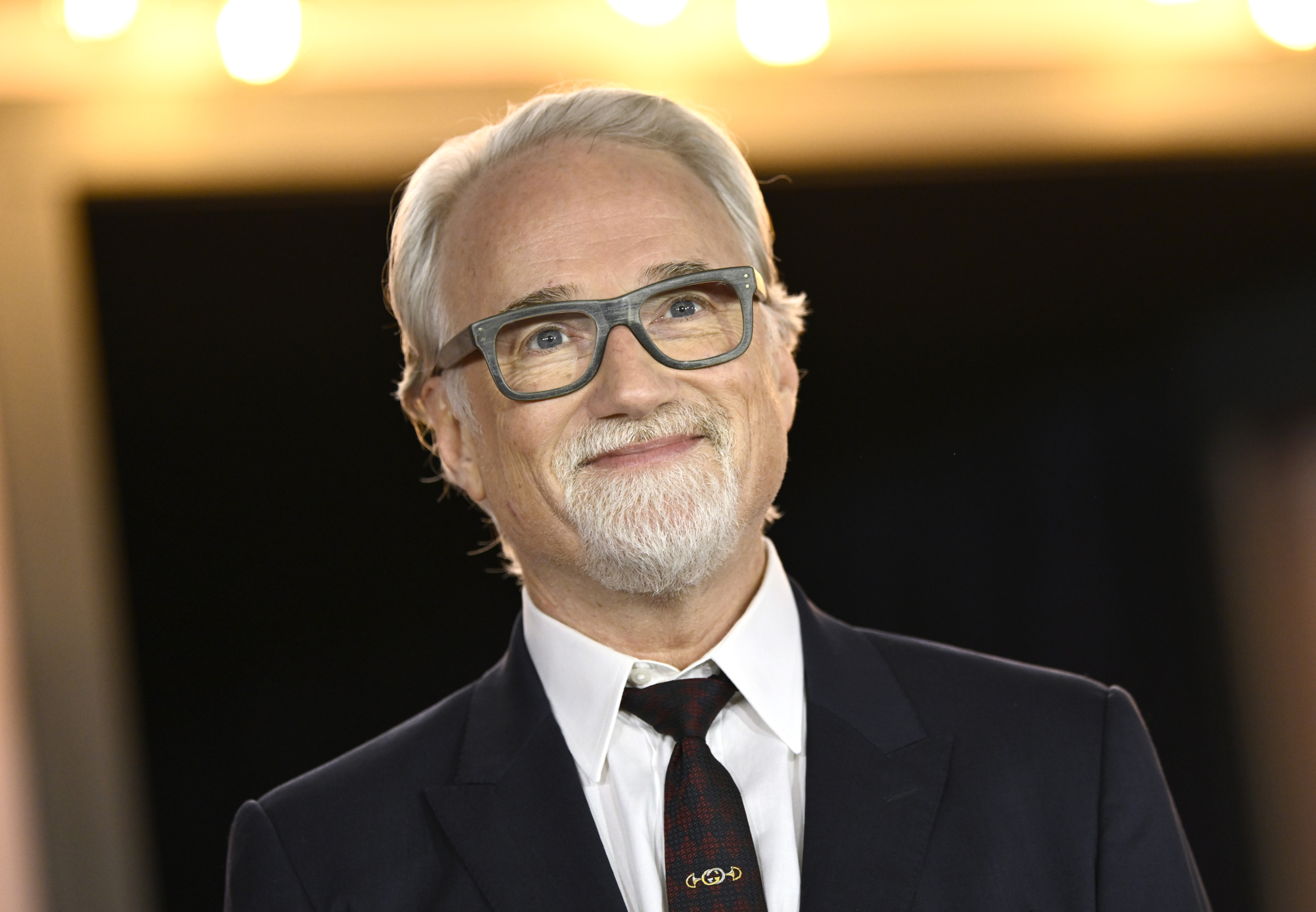
61‑year‑old director David Fincher announced that his next project, The Further Mis‑Adventures of Cliff Booth, could be the final film he ever directs. The revelation came in a candid interview with The Ringer’s “Big Picture” podcast, as the veteran filmmaker reflected on how his priorities and patience have evolved over a career that began with Alien 3 and peaked with The Social Network and Gone Girl. With the movie already in theaters and slated to stream on Netflix on Dec. 23, the statement has set tongues wagging across the industry.
The film, a sequel to Quentin Tarantino’s 2019 cult hit Once Upon a Time in Hollywood, brings back Brad Pitt as the beloved stuntman‑turned‑charmer Cliff Booth. The 2024 release is not only a high‑profile return for Pitt but also a reunion with Tarantino’s creative circle, including longtime collaborator and costume designer Trish Summerville. Summerville revealed that creating Booth’s iconic ’70s wardrobe required 68 identical copies of a single Brad Pitt shirt, proof of the meticulous detail that Fincher is known for. Meanwhile, Fincher’s own admission that “I don’t have as much patience as I once had” signals a shift that many industry observers are interpreting as a pivot toward the end of his directing career.
When Fincher spoke about the project, he also touched on broader concerns that echo throughout Hollywood today. He warned that the film could “be my last,” hinting at a broader trend of seasoned directors taking stock as streaming platforms change the landscape. His comments come at a time when other actors and creatives are grappling with controversy, such as Mexican‑American star Danny Trejo, who recently recanted his participation in a pro‑ICE movie from the Daily Wire, fearing legal repercussions. Trejo’s experience underscores how quickly priorities can shift in a film’s lifecycle and how contractual obligations can be contested when personal values or public sentiment collide.
Background & Context
David Fincher’s career trajectory is a study in transformation. He began as a commercial director before moving into feature films, delivering psychological thrillers and slick, data‑driven narratives that made him a darling of both critics and audiences. Over the last three decades, Fincher has directed seven Academy Award‑nominated movies, including Se7en, Fight Club, The Curious Case of Benjamin Button, and The Social Network. Each film showcases a penchant for meticulous framing, a razor‑sharp eye for detail, and an unflinching approach to storytelling.
The Further Mis‑Adventures of Cliff Booth represents a departure from Fincher’s usual genre, aligning him with Tarantino’s nostalgic, period‑set aesthetic. The film’s production began under the pressure of matching the 2019 original’s cult status while carving its own identity. The decision to cast Pitt in the lead role was made early on, with the actor’s own stunt‑man background lending authenticity to the character. Costuming was equally deliberate: designer Trish Summerville noted that a single Brad Pitt shirt had to be replicated 68 times for continuity, a detail that speaks to the level of production control Fincher demands.
In parallel, the industry is witnessing a wave of contractual disputes and moral reckonings. Danny Trejo’s attempt to exit the Daily Wire’s pro‑ICE film demonstrates how actors are increasingly aware of the legal and reputational risks tied to their roles. Trejo, who has built a career as a rugged character actor, publicly disclosed that despite being under contract, he “tried to get out” of the project, citing that the filmmakers would sue him if he refused to comply. The drama surrounding this film highlights the tension between artistic expression, political messaging, and the financial frameworks that drive Hollywood projects.
The convergence of Fincher’s introspection and Trejo’s legal battle illustrates a broader pattern: veteran creatives are reassessing their place in an industry that is rapidly shifting toward digital distribution, political polarisation, and heightened scrutiny of on‑screen content. This backdrop adds depth to Fincher’s statement about potentially closing his directorial chapter, making his words resonate far beyond a single film’s release.
What People Are Saying
Fincher’s candid admission sparked a flurry of reactions across the film community. Critics who have followed his work for years praised his decision to be honest about his creative priorities. Many noted that a statement of this nature is rare in an industry where longevity often coincides with a relentless drive to produce. Fincher’s own words—“I worry about my priorities changing. I mean, my priorities have already changed”—suggest that he is contemplating the balance between personal life and professional output.
Fans of Once Upon a Time in Hollywood welcomed the sequel, excited to see how Fincher would reinterpret Tarantino’s world. Twitter threads and Reddit discussions were filled with comparisons to Brad Pitt’s original performance, with many pointing out that the new film’s pacing is distinctly Fincherian—tight, atmospheric, and peppered with subtle dark humor. Critics highlighted how Fincher’s signature visual style was married with the film’s nostalgic tone, producing a fresh yet familiar experience.
Meanwhile, Danny Trejo’s situation added an unexpected layer to the conversation. Entertainment outlets reported that Trejo had been “under contract” but was determined to avoid the legal fallout of refusing to appear in the Daily Wire film. He voiced his concerns publicly, saying that the production would “sue the hell out of me.” The debate that followed emphasized how actors’ contractual obligations can clash with their personal convictions and the broader political climate. Many argued that Trejo’s experience should serve as a cautionary tale for the industry, highlighting the importance of clear communication and the ethical considerations that underlie a project’s production.
The combination of Fincher’s candid reflections and Trejo’s public dispute illustrates a cross-section of Hollywood’s evolving ethos. As seasoned filmmakers and actors navigate new platforms, political narratives, and shifting audience expectations, the conversation about who should drive creative output—and under what conditions—has never been more complex.
What Happens Next
The next few weeks will see The Further Mis‑Adventures of Cliff Booth hitting a wider audience as it streams on Netflix on Dec. 23, a date that will coincide with the release of other high‑profile titles. Fincher himself has hinted at possible future projects that could be less conventional, suggesting a pivot away from large‑budget studio features toward perhaps smaller, independent narratives or even a shift to streaming-exclusive content.
For Danny Trejo, the immediate future remains uncertain. While he has publicly recanted his participation in the pro‑ICE film, it is unclear whether a lawsuit will materialise. The legal proceedings that may follow could set a precedent for how contractual disputes are handled when political or moral considerations come into play. Whether Trejo decides to step back from mainstream projects or find new creative outlets remains to be seen.
Industry insiders speculate that Fincher’s potential retirement from directing may open doors for younger filmmakers who are eager to step into the spotlight. Fincher’s reputation for meticulous craftsmanship could inspire a new generation of directors to adopt a similar attention to detail while exploring fresh storytelling techniques. Meanwhile, the Netflix release of The Further Mis‑Adventures of Cliff Booth will provide a case study in how studios manage legacy franchises in a streaming‑first world.
As the holiday season approaches, audiences will be primed to revisit the nostalgic charm of the ’70s while experiencing Fincher’s distinct visual narrative. The conversation about the future of film, the ethics of creative participation, and the personal priorities of industry veterans will likely keep the media dialogue alive well into the new year.
In the end, David Fincher’s announcement serves as a reminder that even the most seasoned storytellers must weigh the allure of their craft against the evolving demands of life, industry, and conscience. Whether or not The Further Mis‑Adventures of Cliff Booth will be his final bow, the film already stands as proof of his enduring influence on modern cinema.
The Bottom Line
While some may view Fincher’s possible exit as a loss, it is a reminder that artistry thrives when it evolves with life’s demands. His choice to possibly step away after a career defined by meticulous craftsmanship and relentless narrative innovation invites us to consider the value of creative rest. In a market that prizes speed over depth, Fincher’s pause could inspire a new wave of filmmakers who prioritize thoughtful storytelling over blockbuster churn. Moreover, his willingness to speak openly about changing priorities sets a precedent for transparency in an industry that often hides behind corporate rhetoric. This candidness not only empowers directors but also encourages studios to invest in sustainable creative models, balancing artistic integrity with commercial viability. For audiences, it signals that future releases may shift toward more intimate, character‑driven projects that resonate on a personal level rather than relying solely on spectacle. Thus, Fincher’s announcement is less a retirement and more an invitation to reimagine how we celebrate cinema’s legacy while nurturing its next chapter. —MyWorldPulse.com
Reference:
- Ringer 'Big Picture' podcast interview with David Fincher
- Netflix press release announcing The Further Mis‑Adventures of Cliff Booth streaming date
Read more celebrity news at MyWorldPulse.