The world of horror gets a new chapter when the Oscar‑nominated actress steps into a frantic, high‑stakes domestic nightmare, promising a fresh twist on the body‑shatter genre that has fans clutching their popcorn for a long time.
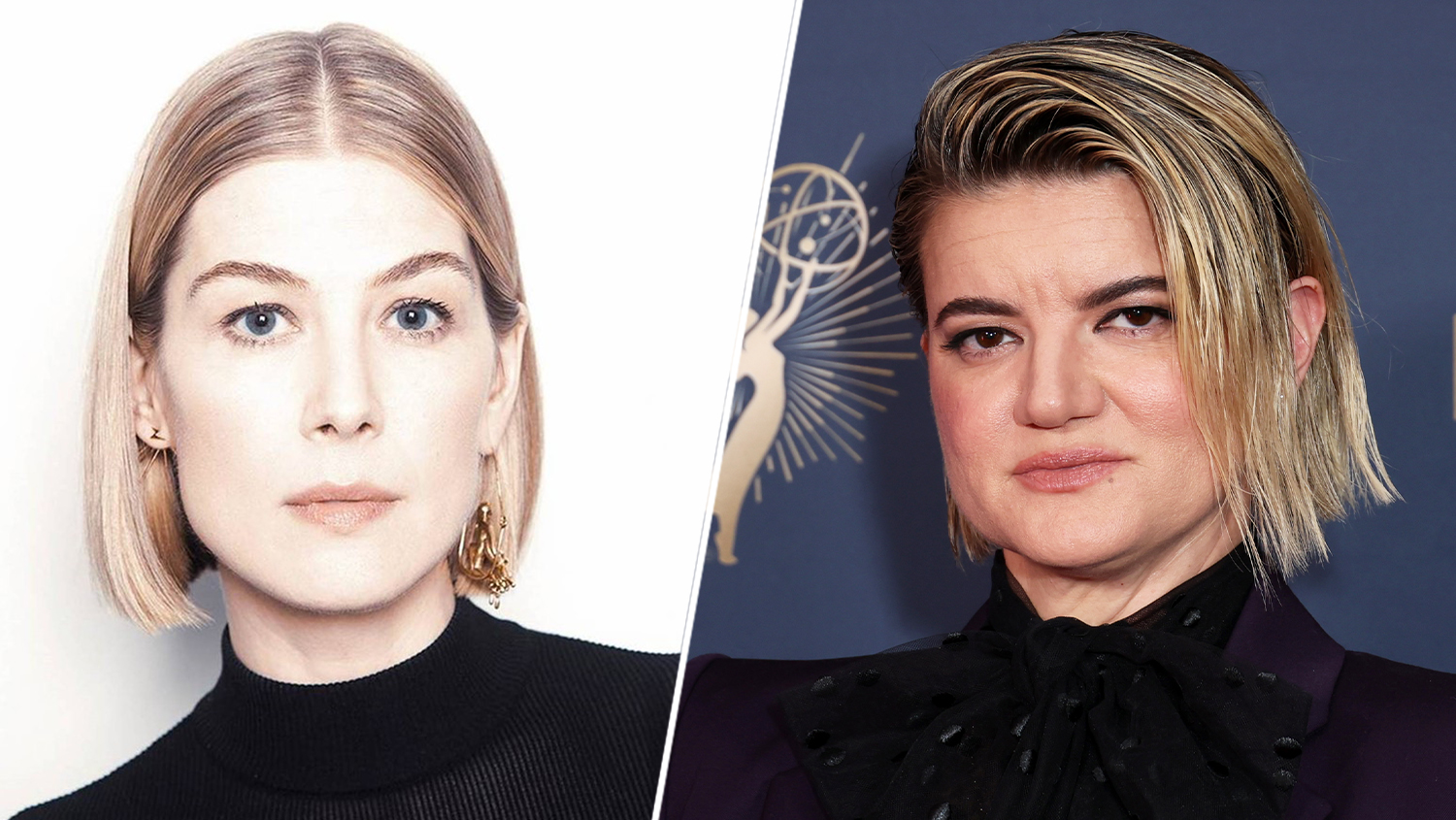
The project, titled Feed, will launch its sales push next week at the American Film Market, the trade hub where films are matched to buyers and distributors across the globe. Rosamund Pike not only stars in the thriller but also lends her name as an executive producer, a move that signals her growing interest in shaping narratives behind the camera. The film is directed by Leslye Headland, whose recent work on The Acolyte and Russian Doll earned her a reputation for weaving psychological dread into genre storytelling. Screenwriter Daniella Isaacs, who has crafted sharp, layered scripts for television and film, brings a fresh voice to the project, while the story itself borrows from the 2022 Finnish horror Hatching, a dark tale that blends scientific obsession with unsettling family dynamics.
The logline reads: “When a desperate mother discovers an obscure collagen supplement that promises to make her tween gymnast daughter an athletic phenom, she learns the price of beauty may be a body you cannot escape.” The narrative unfolds inside a suburban home, a place that quickly morphs into a surreal labyrinth where every reflection holds a new threat. The film’s premise—a seemingly harmless product that turns a child into a monster— taps into contemporary anxieties about wellness trends, genetic editing, and the pressure to perform at any cost.
Background & Context
Body horror, a niche yet influential subgenre, has long fascinated audiences with its visceral depiction of transformation and violation. From the early 2000s cult classic The Thing to the recent wave of Midsommar and Saint Maud, the genre has maintained a loyal following. Feed joins this lineage by positioning the horror in a familiar environment— the family kitchen— and turning the threat into an everyday product, echoing the modern obsession with collagen supplements, protein powders, and anti‑aging serums that have become staples in wellness communities.
Leslye Headland’s directorial signature is a blend of intimate character study and unsettling visual motifs. Her previous projects— The Acolyte (a psychological thriller about a group of cult‑sensitive teenagers), Russian Doll (a time‑loop comedy‑drama) and Sleeping with Other People (a witty romance)— have showcased her versatility, but Feed marks a deliberate return to horror’s physical and psychological extremes. The partnership with screenwriter Daniella Isaacs brings a fresh sensibility; Isaacs is known for her work on The Last of Us and Atypical, where she balances human empathy with narrative tension.
Rosamund Pike’s involvement as both lead and producer elevates the project. Pike’s career has spanned dramatic roles in Gone Girl (2009) and I Care a Lot (2020), where she exhibited an uncanny ability to inhabit complex, morally ambiguous characters. Her recent forays into comedy and short films hint at a desire to explore varied genres, and Feed offers her a platform to blend performance with production, hinting at future projects where she might take on a more behind‑the‑camera role.
The film’s sale at AFM underscores the market’s appetite for innovative horror narratives that challenge genre conventions while remaining commercially viable. The American Film Market typically sees hundreds of buyers, and the fact that Feed is already on the radar suggests distributors are keen on a fresh body‑horror offering that can thrive at festivals and in streaming platforms alike.
What People Are Saying
Word on the street, and the social media chatter that follows any high‑profile cast, has been a mix of curiosity and skepticism. Fans of Pike’s earlier work note her ability to bring a grounded, almost comedic nuance to roles that require a darker edge. This nuance could translate into an unsettling domestic horror that feels intimately relatable. Meanwhile, horror enthusiasts are comparing Feed to its Finnish predecessor Hatching, noting that while Hatching leaned into psychological dread, Feed seems poised to embrace more visceral body‑horror elements— the kind of graphic transformations that keep audiences on the edge of their seats.
In interviews, Headland speaks about the challenge of turning a seemingly mundane product into a horror device. “Collagen is a symbol of wellness, of self‑care. By taking that symbol and flipping it, we’re exploring how the pursuit of perfection can become a monster,” she explains. The screenplay, she adds, will maintain a tight focus on the mother‑daughter dynamic, ensuring that the horror does not detract from the emotional stakes.
Industry insiders predict that the film’s premiere at the Toronto International Film Festival could spark a renewed interest in body‑horror for streaming services, which have recently leaned into more niche, genre‑specific content to differentiate themselves. The film’s distribution strategy, still in negotiation, may include a theatrical run followed by a platform release on major streaming services, tapping into both the cult horror audience and a broader demographic of viewers who watch horror more casually.
What Happens Next
The next milestone for Feed is the AFM sales push in mid‑January, where the film’s marketing package—including stills, a teaser trailer, and a full pitch deck—will be presented to potential buyers. The success of this phase will largely dictate the film’s financing, distribution, and release window. If a distributor commits, the project will move forward with post‑production, likely in late spring or early summer, allowing for a festival circuit run in the fall.
In the meantime, the filmmakers are set to share more insights into the production schedule, location choices, and the creative process. They may also reveal more about the product that drives the narrative—a collagen supplement—by working with a fictional brand that echoes real‑world wellness trends. This detail could add a layer of realism, blurring the line between horror and everyday consumer culture.
Rosamund Pike, who has reportedly spent months researching the world of fitness and supplement culture, is expected to bring authenticity to her role. Her involvement as producer suggests she will influence not only casting decisions but also creative choices, such as the film’s tone and visual style. With Headland’s direction and Isaacs’ writing, the team is poised to craft a horror experience that is as psychologically unsettling as it is physically engaging.
The final piece of the puzzle is the film’s potential impact on the broader conversation about wellness, motherhood, and the commodification of health. By anchoring the horror in a domestic setting, Feed invites audiences to question the safety of the products that promise quick fixes and perfect results.
The industry watches keenly, because a successful blend of intimate drama and body‑horror could redefine the genre’s appeal for a new generation.
---
With a star of Pike’s caliber and a director who has proven her mastery of tension, Feed promises to be a fresh entry in the horror canon, one that may well set a new standard for family‑centric body horror in the coming years.
The Bottom Line
‘Feed’ isn’t merely another body‑horror entry; it’s a cultural mirror held up to our obsession with quick fixes. By transforming a harmless collagen supplement into a domestic nightmare, Rosamund Pike and Leslye Headland expose the grotesque underbelly of wellness culture that many of us quietly endorse. This film forces us to ask: at what point does the pursuit of perfection become a monstrous sacrifice? MyWorldPulse sees ‘Feed’ as a bold reminder that horror can be deeply personal when it reflects everyday anxieties. Its success will likely prompt other filmmakers to explore similar themes, potentially reshaping the horror landscape to include more nuanced, socially relevant narratives. —MyWorldPulse.com
Reference:
- Rosamund Pike’s official Instagram post about Feed
Read more celebrity news at MyWorldPulse.