When Salma Hayek posted a photo collage of the 2002 set of Frida on the 24th anniversary of its release, she didn’t just remember a role—she resurrected a battle that reshaped the film world, echoing a quieter, yet fierce, war that is sweeping through Japan’s animation studios.
The drama behind Frida and the pay split in anime are not isolated skirmishes; they are two sides of the same coin that describes a cultural industry increasingly split between daring visionaries willing to stake their own fortunes and safer enterprises that cling to predictable revenue streams. The stakes are high, and the rewards—or losses—are growing ever more visible to audiences and insiders alike.
In the world of Hollywood, Hayek’s 24‑year‑old reminder was a triumph of perseverance; in the world of anime, Fujitsu Ryota’s observation signals a widening rift that could reshape the future of Japanese storytelling.
Background & Context
Hayek’s journey to Frida began at a point when the idea of a biopic about a Mexican painter seemed an impossible gamble. She recalls being told repeatedly that the project “would never happen,” that a story that was “too Mexican, too intense, too political” would not resonate with Hollywood’s appetite. Undeterred, she turned producer, invested years of labor, and championed authenticity, insisting that the film must preserve the essence of Frida Kahlo’s life. Her advocacy paid off, not only in a film that won two Oscars for Best Original Score and Best Makeup and Hairstyling, but in a historic nomination for Hayek as the first Mexican actress to be nominated for Best Actress at the 75th Academy Awards.
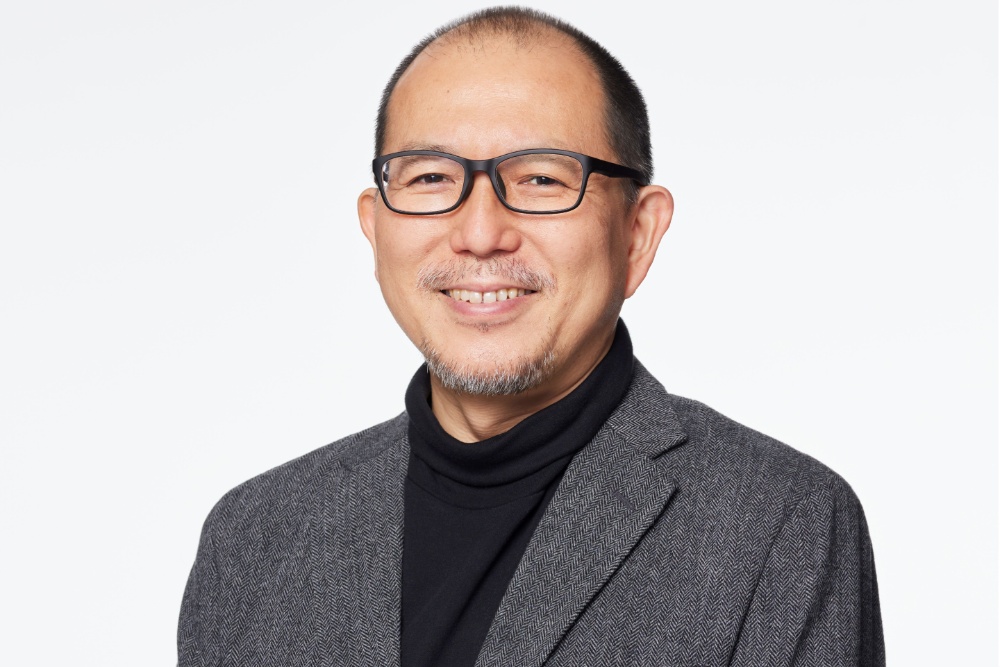
Meanwhile, in Japan, the animation industry remains a powerhouse on the global stage. Yet, beneath the glittering lights of studios like Studio Ghibli and Kyoto Animation, a subtle but significant divide is forming. According to Fujitsu Ryota, a programming advisor for the Tokyo International Film Festival’s Animation section, the overall health of anime is solid. However, the gap in pay and working conditions is widening between studios that dare to invest their own capital into projects and those that prefer to outsource or lean heavily on external funding. This dichotomy reflects a larger tension: a creative risk‑taking model that prioritizes artistic autonomy versus a conservative approach that relies on established commercial formulas.
Both Hayek’s story and the anime divide revolve around the same underlying question—who gets to decide the narrative, and at what cost? Hayek’s fight was about giving a marginalized voice a platform, while the Japanese studios’ dilemma centers on whether to gamble on originality or maintain financial safety nets.
What People Are Saying
In the wake of Hayek’s reflection, industry insiders and fans alike have taken to social media to celebrate her perseverance. Commenters applauded her for “standing up to a system that kept saying no” and for “protecting the integrity of Frida’s story.” Many echoed that her journey mirrors the larger struggle for representation in Hollywood, where stories from underrepresented cultures still fight for screen time and funding.
The conversation has also turned to the anime industry, where fans of beloved series such as Attack on Titan and Demon Slayer have voiced concerns about creators’ workloads and the uneven distribution of compensation. Twitter threads discuss how smaller studios, often those that innovate with fresh narratives, are pressured to produce high‑volume content without commensurate pay, while larger studios maintain a steadier pipeline of revenue‑generating franchises. Critics argue that this trend could stifle the very creativity that made anime globally popular.
Within professional circles, anime directors and producers have responded to the growing pay divide with a mix of caution and optimism. Some express worry that studios might abandon niche projects in favor of safer, more marketable titles, potentially eroding the diversity of storytelling. Others highlight the potential for new funding models, including partnerships with streaming giants and international co‑production deals, to bridge the gap and allow smaller studios to thrive while still maintaining creative control.
Hayek’s own words, “In the end, every year of waiting, every fight and every closed door was worth it,” have resonated as a rallying cry for creators across the globe, reminding them that perseverance can translate into historic milestones—whether it’s a landmark Oscar nomination or a fresh anime series that captivates new audiences.
What Happens Next
Hayek’s 24‑year‑old milestone is not merely a celebration; it is an invitation for industry stakeholders to rethink how stories are funded and protected. As the entertainment market becomes increasingly globalized, there is a growing appetite for authentic voices that challenge mainstream narratives. Studios looking to diversify their portfolios might take cue from Hayek’s experience: investing in a creator’s vision can pay dividends, both artistically and commercially.
In Japan, the Tokyo International Film Festival’s Animation section, led by advisors like Fujitsu Ryota, could use its platform to promote equitable practices. By highlighting studios that successfully combine creative risk with sustainable financial models, the festival can serve as a showcase for best practices. Potential initiatives include mentorship programs for emerging studios, funding pools dedicated to high‑risk projects, and advocacy for standardized labor contracts that protect animators’ rights.
Moreover, the rise of streaming platforms offers a double‑edged sword. While they bring in new revenue streams and global exposure, they also impose rigorous production schedules that can compromise working conditions. The industry will need to negotiate a balance—ensuring that the push for rapid content delivery does not erode the creative and financial foundations of animation studios.
As Hayek reflects on the long journey to Frida, she highlights a lesson that extends beyond the silver screen: the power of resilience in shaping cultural narratives. The same resilience is now being tested in the anime world, where studios must decide whether to continue riding safe, well‑trodden paths or to invest boldly in stories that challenge conventions. The next decade will reveal whether the industry can harmonize risk, reward, and artistic integrity in a way that benefits creators, audiences, and the market as a whole.
Ultimately, the stories of Frida and the evolving anime pay structure remind us that the entertainment industry is a living organism—one that thrives when visionaries dare to challenge the status quo, and when institutions adapt to support those bold visions with equitable resources and recognition.
The Bottom Line
MyWorldPulse believes that Salma Hayek’s 24‑year‑old struggle to bring Frida to the screen is more than a biopic triumph; it is a rallying cry for representation and equitable funding across the entertainment industry. By finally securing two Oscars and a historic Best Actress nomination, Hayek proved that authenticity can win both critical acclaim and commercial success. In the anime world, the widening pay gap between daring studios and risk‑averse ones threatens the very creativity that once defined the medium. MyWorldPulse urges studios to adopt hybrid financing models—combining streaming revenue with targeted investor support—to empower smaller, innovative teams while protecting animators’ rights. The industry must also standardize labor contracts and offer mentorship programs that bridge experience gaps. When institutions champion authentic voices, audiences receive richer storytelling and the market gains a healthier competitive edge. This dual narrative of Hollywood and anime reminds us that perseverance is not a solitary act—it is a systemic shift. MyWorldPulse calls on filmmakers, studios, and policy makers to align artistic vision with fair compensation, ensuring that the next generation of storytellers can thrive without sacrificing integrity.
Reference:
- Salma Hayek’s 24th‑Anniversary Instagram Post
- Tokyo International Film Festival Animation Section Equity Initiative Press Release
Read more celebrity news at MyWorldPulse.