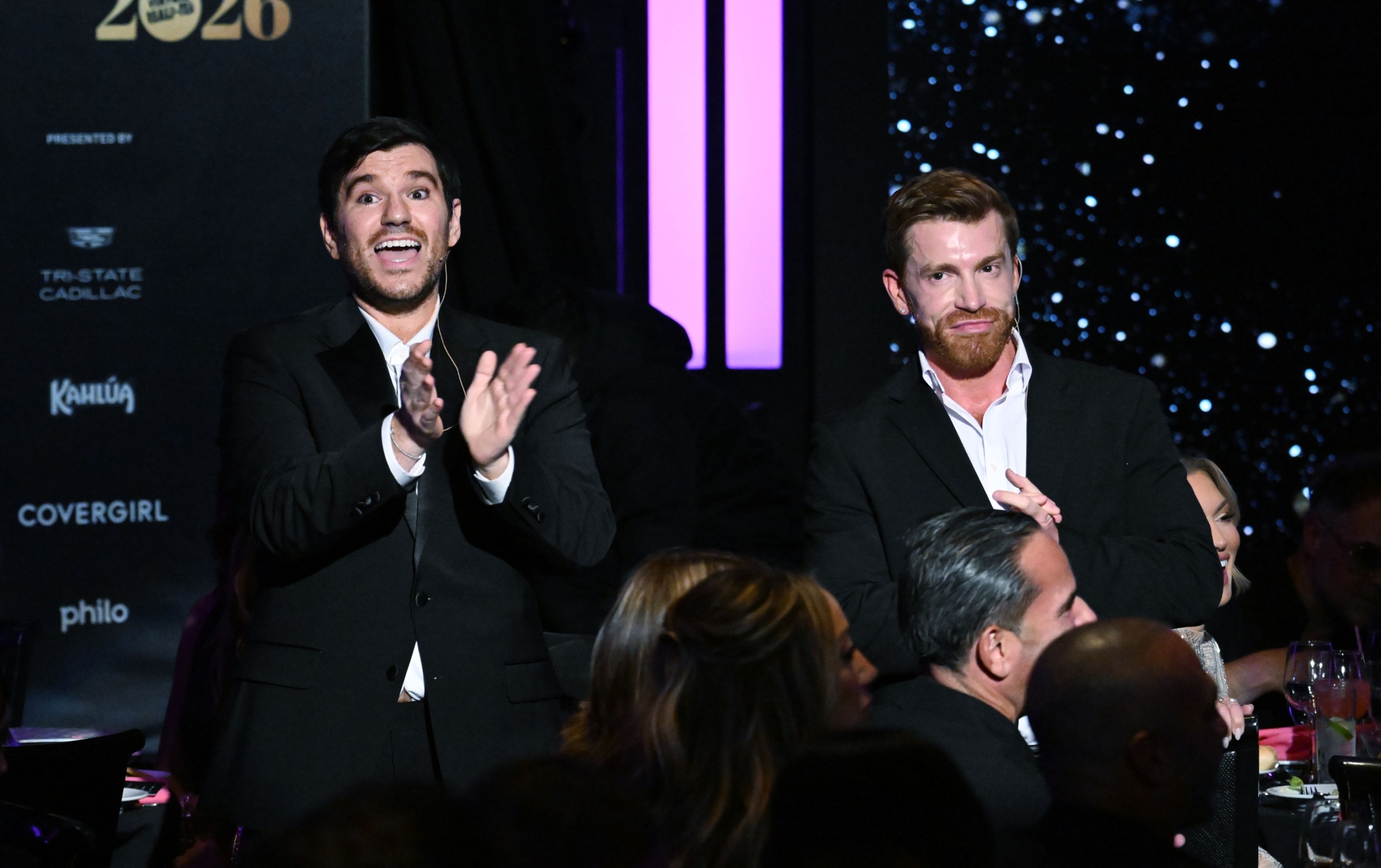
The second‑annual Virtual Reali‑Tea (VRT) Awards streamed live on March 15, 2026, and it felt less like a conventional ceremony and more like a global reality‑TV festival in cyberspace. Producers, executives, and contestants from every corner of the genre—competitions, lifestyle, social experiment, and scripted reality—logged in from homes, offices, and studios to celebrate the decade‑long evolution of unscripted storytelling. With a record‑breaking audience that spanned five continents and 12 time zones, the event confirmed that reality television remains a powerful cultural force, even amid a deluge of streaming content.
At its heart, the VRT Awards asked a deceptively simple question: What makes a reality show resonate, and who has captured the public’s imagination? The ceremony answered both by spotlighting the drama that keeps viewers glued to their screens and by honoring the personalities who have become household names.
---
Background & Context
The idea of a dedicated reality‑TV awards ceremony first emerged in late 2024, when a small coalition of producers and network executives noticed that the genre still lacked a single, widely respected platform to recognize its breadth. Earlier attempts—such as the 2018 “Reality Television Honors” and the 2020 “Unscripted Excellence Gala”—had been held in physical venues and drew only niche crowds. By 2025, the inaugural VRT Awards were launched, positioning itself as a flexible, digitally native event that could scale with the genre’s global reach.
The 2025 ceremony, broadcast from a live studio in Los Angeles, introduced six categories and attracted over 1.2 million online viewers. While modest compared to the industry’s biggest primetime awards, the first edition planted a seed. It highlighted the reality genre’s ability to craft narratives that rival scripted drama in intensity and emotional payoff. Critics praised the format for its inclusivity: nominees ranged from competitive cooking shows to relationship experiments, while hosts and presenters came from a mosaic of backgrounds—celebrity chefs, social media influencers, and long‑time reality veterans.
Fast forward to 2026. The second edition built upon that foundation by expanding to 14 categories, incorporating fan‑choice awards that let the audience vote in real time via an interactive app, and integrating live chat across streaming platforms. The organizers chose to hold the ceremony virtually, both as a nod to the technological advancements that enable global participation and as a practical response to accessibility concerns. The decision eliminated the need for costly venues and travel, allowing a wider range of stakeholders—from production crews in remote locations to producers in emerging markets—to engage directly with the event.
Historically, reality TV has been marginalized by mainstream award circuits that favored scripted television and film. The VRT Awards, in contrast, celebrate the genre’s distinctive strengths: rapid production cycles, audience interactivity, and the ability to generate cultural memes that ripple across social media. By providing a dedicated stage, the VRT Awards have become a benchmark for success, signaling to networks and streaming services that a well‑executed reality program can garner critical acclaim and commercial viability.
What People Are Saying
Within the industry, the VRT Awards are being lauded as a milestone for reality television. Producers who have spent years juggling the logistical nightmares of on‑location shoots, real‑time editing, and unpredictable contestant behavior praised the event for acknowledging the creative risks taken to keep audiences engaged. One executive from a long‑running competitive show remarked that the awards “validated the labor‑intensive process of turning raw human emotion into polished entertainment.”
Fans, too, reacted enthusiastically. Social media platforms buzzed with clips of acceptance speeches, behind‑the‑scenes footage, and live reactions from viewers across the globe. On Twitter, a hashtag campaign #VRT2026 trended for 48 hours, amassing over 8 million impressions. Reddit threads dissected each category, while Twitch viewers streamed live commentary during the ceremony, creating a secondary layer of engagement. The fan‑choice awards, in particular, drew criticism from some purists who argued that popularity should not outweigh quality, but most viewers welcomed the democratic element, feeling that their votes could directly influence the outcome.
The broader cultural conversation shifted toward acknowledging the genre’s impact on contemporary storytelling. Academics highlighted how reality shows pioneered new formats—interactive viewer participation, cross‑platform storytelling, and the blending of narrative with real‑world stakes—that have since been adopted by mainstream programming. Commentators noted that the VRT Awards’ emphasis on unscripted authenticity signals a broader acceptance of alternative storytelling models in an era dominated by scripted television and cinema.
A notable moment came when the award for “Best Reality Series” was presented to a show that had been running for eight seasons. The host, a former reality contestant turned comedian, delivered a heartfelt acceptance speech that referenced the show’s evolution from a local competition to an international phenomenon. The speech resonated on social media, with the hashtag #RealityRenaissance gaining traction and sparking discussions about the future trajectory of unscripted content.
What Happens Next
The VRT Awards’ organizers announced that the 2027 edition would introduce international categories, allowing non‑English‑speaking shows to compete on an equal footing with their U.S. counterparts. This expansion reflects the genre’s growing global footprint, especially in regions where local reality formats often surpass the reach of imported shows. By leveling the playing field, the VRT Awards aim to elevate storytelling from diverse cultures and broaden the genre’s creative palette.
The awards’ success has also attracted the attention of streaming services. Several platforms are exploring exclusive deals to secure rights to future VRT content and award‑winning shows. Some speculate that this could lead to an influx of original reality programming tailored specifically for the VRT platform, blurring the lines between content creation and accolades. For example, a major streaming service announced plans to launch a “VRT Originals” slate, featuring new competition formats that would automatically qualify for VRT consideration.
Industry insiders anticipate that the momentum generated by the 2026 event will culminate in a larger, possibly televised, edition of the awards. While the VRT Awards currently thrive in a virtual environment, a hybrid model—combining live audiences with global streaming—has been floated as a future possibility. Such a model could enhance the event’s prestige while preserving its accessibility advantages.
The VRT Awards have already begun to influence the way producers pitch new reality concepts. Knowing that the awards offer both creative recognition and commercial credibility, producers are increasingly focusing on storytelling depth, ethical production practices, and audience engagement metrics. The awards have spurred a conversation about the sustainability of reality programming, encouraging producers to prioritize long‑term narrative arcs and contestant welfare.
Closing
The Virtual Reali‑Tea Awards 2026 set a new benchmark for how reality television can be celebrated, transcending traditional media boundaries and cementing its place at the forefront of entertainment. By honoring both on‑screen talent and behind‑the‑scenes innovators, the ceremony illuminated the genre’s multifaceted nature and underscored its cultural significance. As reality TV continues to evolve—incorporating more interactive elements, expanding globally, and redefining authenticity—the VRT Awards promise to remain a pivotal platform for recognizing the most compelling moments and influential personalities that shape our collective viewing experience.
The Bottom Line
The VRT Awards 2026 demonstrate that reality television is no longer a footnote in entertainment; it has become a vibrant, dynamic space where storytelling, audience engagement, and cultural relevance intersect. By embracing digital platforms, the VRT has democratized recognition, giving voice to creators from underrepresented regions and acknowledging the genre’s unique strengths—speed, interactivity, and meme‑generation. This shift not only elevates the art form but also signals to streaming services and networks that high‑quality, unscripted content is a lucrative, culturally resonant investment. As the VRT continues to innovate with international categories and potential hybrid broadcasts, it sets a blueprint for how awards can adapt to an increasingly digital, globalized market. We celebrate the VRT’s role in redefining prestige for reality TV and look forward to a future where authenticity, innovation, and audience empowerment are the true measures of success.
Reference:
- VRT Awards official Twitter announcement of winners
- VRT Awards 2026 Press Release by the event organizers
Read more celebrity news at MyWorldPulse.