Drake Bell Slams SAG‑AFTRA, Says He Was Uncovered by Health Plan for 6 Months
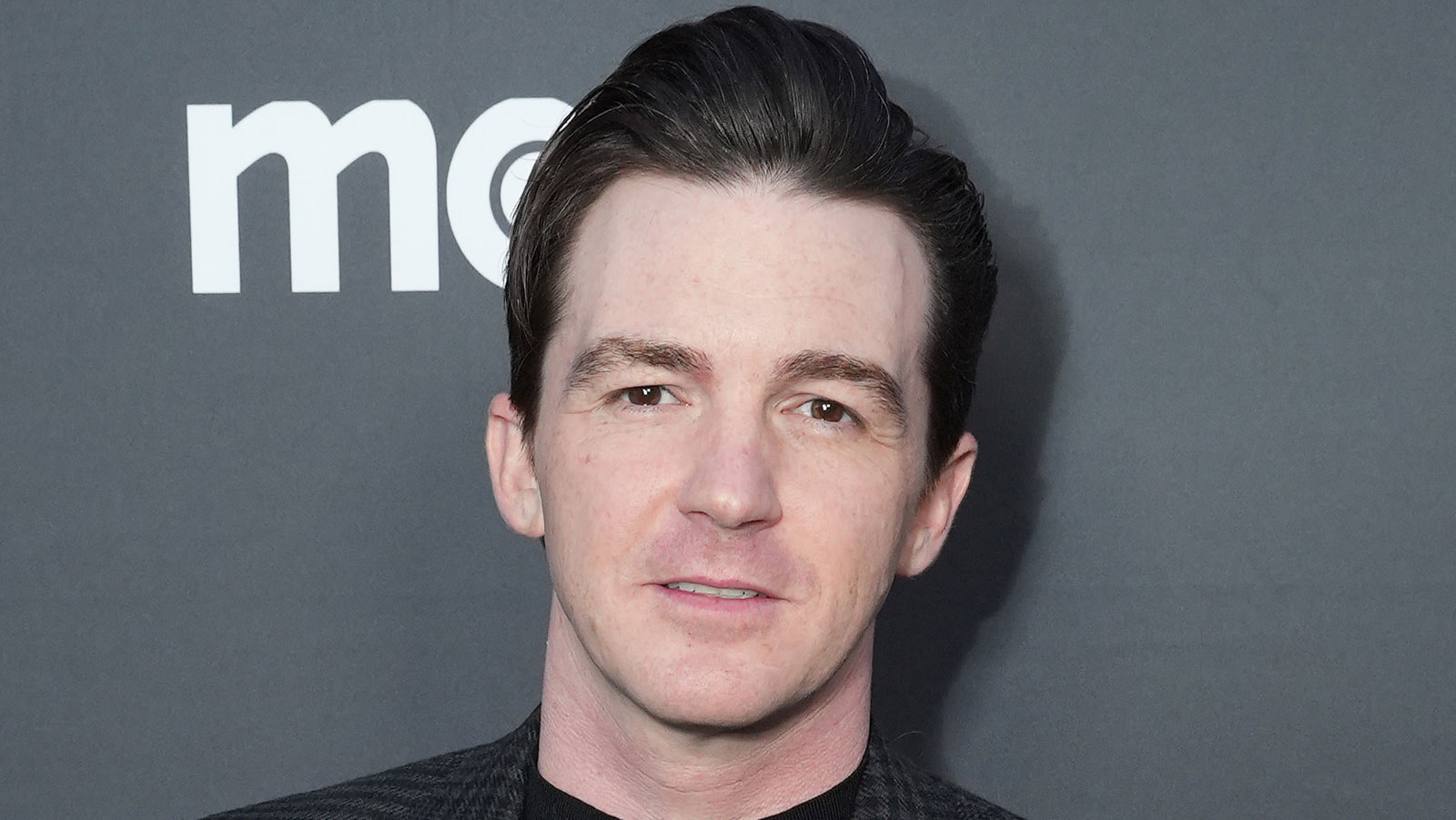
When 36‑year‑old former “Drake & Josh” star Drake Bell posted a screenshot of SAG‑AFTRA’s health‑coverage portal, the message was clear: the actors’ union may not be the safety net it once seemed. The clip showed the stark warning, “You do not qualify for Health Plan coverage at this time. Your reported covered earnings from July …,” flashing across the screen as Bell’s followers watched in stunned silence. His post is more than a personal grievance; it is a wake‑up call for an industry built on the promise of collective protection.
Bell’s career, which exploded in the mid‑2000s with a popular Nickelodeon sitcom, has since pivoted toward music. Yet his frustration with the union’s health benefits reveals a deeper dilemma: many actors, especially those juggling sporadic roles or side gigs, may think they are automatically shielded, only to find themselves left high and dry when a policy threshold is missed. The union’s requirement that a certain minimum of covered earnings be earned to qualify for health coverage is a fact few fans know—yet Bell’s experience turns that fact into a public crisis.
The timing is crucial. Bell first discovered the lack of coverage after a mid‑summer break from acting projects, when he realized his cumulative earnings fell short of SAG‑AFTRA’s threshold. In an age where gig‑based work is common and contract lengths can be fleeting, Bell’s six‑month lapse serves as a stark reminder that the safety net can fray just as quickly as a show’s run.
Background & Context
SAG‑AFTRA, formed from the merger of the Screen Actors Guild and the American Federation of Television and Radio Artists in 2012, has long been hailed as the guardian of actors’ rights, offering health plans, pension benefits, and workplace protections. The union’s health insurance program, designed to mirror traditional employer plans, operates on a “covered earnings” model: actors must earn a specified amount—typically a set number of weeks’ worth of pay—to trigger eligibility. This approach aims to balance the needs of part‑time performers with the fiscal realities of a union that must manage funds across a wide spectrum of employment types.
Drake Bell’s situation illustrates the fine line many actors walk. While he maintained a steady stream of music touring, his acting income during the same period failed to cross the eligibility threshold. Bell’s own statements emphasize that he did not qualify for coverage “at this time,” a phrase that hints at the policy’s conditional nature rather than an absolute denial. The union’s language, which reads like a bureaucratic notice, left Bell—and likely others—reeling as their health safety net slipped away without warning.
Beyond Bell’s personal saga, the incident opens a window into a broader systemic issue. For decades, actors have faced an “oddity” in the entertainment industry: a profession that often blends freelance, part‑time work with the perception of full‑time stability. The union’s policy, while designed to protect, inadvertently exposes the very instability that defines the profession. Bell’s case becomes a cautionary tale, reminding industry insiders that the very mechanisms intended to safeguard can, under certain circumstances, leave actors vulnerable.
What People Are Saying
Reactions have poured in from fans, fellow performers, and industry observers. Social media erupted in a flurry of support, with many expressing disbelief that a union so central to actors’ livelihoods could allow such a lapse. Threads across platforms highlighted similar experiences, indicating that Bell’s story may be part of a larger, under‑reported pattern. Some users pointed out the irony of an actor’s name—Drake Bell—being synonymous with a “drama” that now plays out behind the scenes of a professional union.
Industry commentators have weighed in on the implications for SAG‑AFTRA. Analysts argue that Bell’s critique spotlights a need for clearer communication regarding eligibility criteria and the steps actors must take to secure coverage. The union’s own response, while muted, hinted at a review of its procedures, but details remain scarce. Meanwhile, the broader acting community is debating whether the current health‑plan structure adequately serves those who juggle multiple gigs and non‑traditional roles.
Bell himself, in his post, issued a stark warning: “Do not become an actor.” This directive, coupled with a plea to join the union if one does pursue acting, amplifies the sense of urgency. Even without direct quotes, the tone of his message conveys frustration and a call to action for both aspiring actors and the union alike.
What Happens Next
The fallout from Bell’s revelations is already shaping a dialogue about how SAG‑AFTRA manages its health‑coverage program. Union leaders are expected to convene a task force to reassess eligibility thresholds, potentially incorporating more flexible metrics that consider the sporadic nature of many acting careers. Critics argue that a one‑size‑fits‑all approach is no longer viable in an industry where freelance and contract work dominate.
For Bell, the next chapter could involve a formal complaint or a push for policy reform. His social media presence provides a platform to advocate for changes, and his music career offers a parallel avenue to amplify his message. If SAG‑AFTRA responds positively, the union may implement new guidelines that better accommodate actors like Bell, ensuring that health coverage is not a privilege limited to those with consistent, high‑earning roles.
Meanwhile, the broader entertainment ecosystem watches closely. Should SAG‑AFTRA revise its health‑plan structure, other unions and guilds may follow suit, potentially reshaping how performers across the board protect their well‑being. Bell’s experience—though personal—could become a catalyst for widespread reform, prompting the industry to rethink the balance between financial sustainability and the right to healthcare.
In a profession that thrives on collaboration, Bell’s confrontation with SAG‑AFTRA highlights an uncomfortable truth: the safety net is only as reliable as the policies that sustain it. Whether the union will heed the warning or continue to leave actors exposed remains to be seen, but the conversation is undeniably underway.
The Bottom Line
SAG‑AFTRA’s handling of Drake Bell’s 6‑month health‑plan lapse reveals a broader failure: the union’s rigid ‘covered earnings’ model ignores the realities of today’s gig‑based acting economy. Bell’s public frustration is not an isolated grievance; it exposes a system built on outdated assumptions that many actors—especially those juggling music, touring, or low‑pay roles—are being left to fend for themselves when their cumulative earnings dip below a threshold. This is not just a policy issue; it is a question of trust. Actors who rely on the union for safety nets are now forced to question whether the union truly serves their best interests. The union’s muted response signals a reluctance to adapt, risking further alienation of its core constituency. A more flexible, transparent approach is imperative. By rethinking how eligibility is calculated—perhaps incorporating hours worked, project volume, or a sliding scale—SAG‑AFTRA could safeguard its members against the volatility of modern entertainment careers. Until then, Bell’s call to action remains a wake‑up call: the union must evolve or risk becoming obsolete for the very artists it claims to protect.
Reference:
- Official post on Drake Bell's verified Twitter account
Read more celebrity news at MyWorldPulse.