Three nights after an emergency in a Tulsa hospital, Journey’s drummer Deen Castronovo returned to the stage with a full show, and Barry Manilow abruptly cut a Las Vegas residency short—while T‑Boz, the 56‑year‑old TLC icon, battled a sickle‑cell crisis that left the world holding her breath.
When the lights dimmed on the August 28 stop of TLC’s “It’s Iconic” tour, the audience sensed something was off. In the middle of “Waterfalls,” a quiet hush fell, and the music shifted to a single voice—Chilli’s, as she stepped forward with a gentle yet determined look. “Some of you may not know that my sister T‑Boz has sickle cell disease,” she announced, her words resonating across the venue. The crowd swelled with a mixture of concern and solidarity. T‑Boz had been sidelined earlier that week, her hospitalization a sudden interruption to the 15‑year tour that had spanned continents and generations.
While the fans’ prayers floated in the air, backstage staff hurried to provide care. In the days that followed, medical teams confirmed the diagnosis: a sickle‑cell crisis that forced her into intensive treatment. The 56‑year‑old singer’s absence sent shockwaves through a touring cast that included Salt‑N‑Pepper, En Vogue, and other high‑profile acts. Yet, the collective response was nothing short of a communal rally: “I’m going to hold it down for my sister tonight,” Chilli vowed, the words echoing in the hearts of everyone who witnessed the moment.
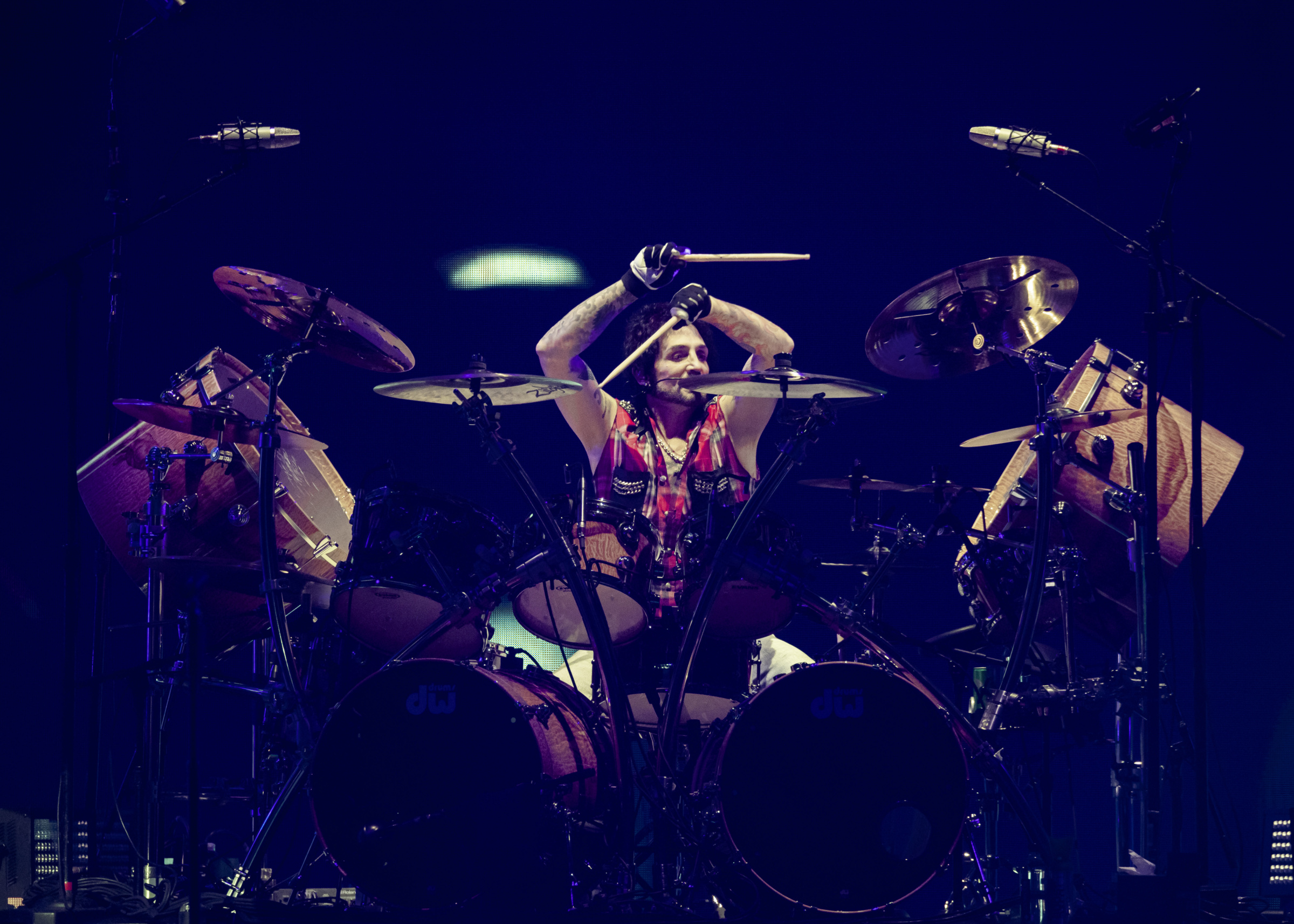
Journey’s drummer, Deen Castronovo, had his own battle that unfolded in Tulsa on Thursday night. The seasoned drummer was pulled from the stage after just two songs, his body showing signs of a sudden health issue that required immediate hospital admission. The medical team stabilized him overnight, but no cause was publicly disclosed. When Saturday night rolled around, the lights lit up again and Deen took the mic with a newfound vigor. He completed a full show, demonstrating that the earlier scare had not permanently diminished his stamina. The quick recovery impressed both fans and fellow musicians, underscoring the unpredictability of performance life and the resilience that artists bring to the stage.
Across the desert, Barry Manilow faced a different kind of setback. The 83‑year‑old singer had emerged from a lung‑cancer surgery to resume his long‑delayed Las Vegas residency at the International Theater at Westgate. His first show on October 10, 2026, was a triumphant return; he performed a handful of songs, greeted the crowd with his signature warmth, and left a sense of celebration in his wake. Yet the joy was short‑lived. Shortly after the curtain fell, he walked offstage after only two songs, telling the audience, “Talk amongst yourselves.” The reason was never provided, but a later statement from the venue cited “circumstances beyond our control” as the cause of the abrupt ending. Fans, who had waited months for the show to go on, found themselves stunned as the lights dimmed and the band played on, assuming a possible recovery.
These events, though separate, share a common thread: the fragility of human health and the impact it can have on performers whose careers depend on physical stamina and vocal power. In the weeks that followed, the entertainment community showed its solidarity, with fans taking to social media to express support for T‑Boz’s recovery and encouraging the band’s members to care for their own well‑being. While the specific details of Deen’s medical scare and Barry’s health remain private, their rapid returns to the stage served as a reminder that even the most seasoned artists are not immune to sudden health crises.
The response to T‑Boz’s crisis was especially powerful. Chilli’s heartfelt pleas for support, combined with the audience’s collective prayers, created a wave of encouragement that reached beyond the venue’s walls. Organizers announced that T‑Boz would return to the tour when her health allowed, promising that the show would resume on a later date. The tour schedule was adjusted to accommodate her recovery, with dates extended and promotional materials updated to reflect the change. This decision allowed the tour to continue while respecting the well‑being of its central members.
Deen Castronovo’s quick return to the stage on Saturday night after his hospital stay has inspired many within the touring community to prioritize health checks and to advocate for better on‑stage medical support. His performance—complete with energetic drumming and a show‑stopper finale—demonstrated his resilience and willingness to give back to his fans. Fans who watched the show in person, as well as those who saw it on streaming platforms, praised the drummer for his unwavering professionalism and his ability to finish strong.
Barry Manilow’s abrupt show ending, however, remains an enigma. With no explanation released, fans are left speculating about the possibility of lingering health issues, perhaps a flare‑up of bronchitis that prevented him from continuing. The absence of a refund or rescheduling announcement has left many dissatisfied. Industry insiders note that while cancellations are not uncommon, transparency with audiences is vital for maintaining trust. In the meantime, Manilow’s schedule includes a return to the Westgate venue from October 15 through 17, and another set of performances beginning November 5, giving fans a chance to see him again.
Looking ahead, the “It’s Iconic” tour will resume on a later date, with T‑Boz’s health as the focal point. Chilli has assured audiences that the group will “hold it down” until T‑Boz is ready to rejoin the lineup. In the interim, the remaining shows will proceed with a revised setlist that incorporates new material and fan favorites, keeping the spirit of the tour alive. Meanwhile, Journey will continue touring, with Deen Castronovo poised to perform in the upcoming North American leg, while the band’s management monitors his health closely to ensure another medical scare doesn’t interrupt the rhythm of the shows.
The entertainment world has seen a stark reminder that even the most polished performances can be interrupted by health challenges. Yet the stories of T‑Boz, Deen Castronovo, and Barry Manilow illuminate a broader narrative: the importance of community, compassion, and resilience. As the “It’s Iconic” tour restarts and the music keeps rolling, audiences worldwide hold a quiet, hopeful anticipation for T‑Boz’s return—an anticipation that extends beyond the stage and into the heart of what makes music a shared, healing experience.
The Bottom Line
The medical emergencies that disrupted a TLC tour, a Journey performance, and a Barry Manilow residency are more than isolated incidents—they’re a wake‑up call. Entertainment executives must prioritize artist health, ensuring on‑stage medical support is standard and that audiences receive timely, honest updates when crises occur. Fans deserve transparency; uncertainty breeds frustration, and in an age of instant information, misinformation spreads faster than the truth. The industry must also recognize that resilience, as shown by Castronovo’s quick return and Chilli’s unwavering support, is powerful, but it should never replace proactive safeguards. As tours grow larger and artists push their limits, the balance between ambition and well‑being will define the next era of live performance. The MyWorldPulse team stands with the artists and their fans, urging the sector to put people—artists and audiences alike—first, ensuring that the magic of live music continues safely and sustainably.
Reference:
- Official Instagram post by T‑Boz announcing her hospitalization
- Westgate International Theater press release on Barry Manilow show cancellation
Read more celebrity news at MyWorldPulse.