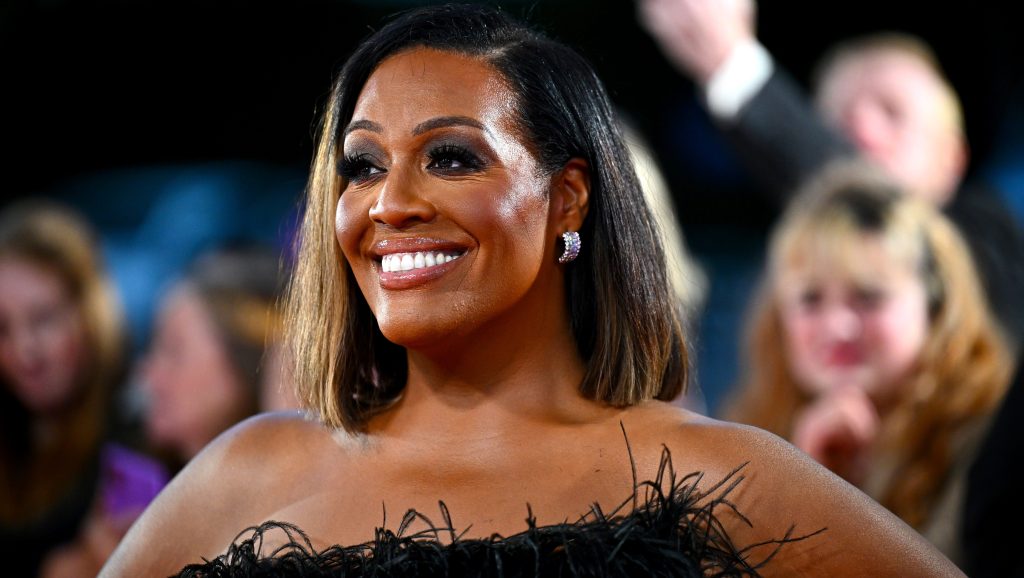
On a typical 3 pm ITV slot, Alison Hammond’s bright smile slipped as the studio lights flickered. The 42‑year‑old host was mid‑conversation when an unexpected pause echoed across the living rooms of millions. A sudden heart check, an emergency scan performed on‑air, sent shockwaves through the audience before a calm, reassuring voice returned to the set. The incident, brief yet intense, reminded viewers that even familiar faces can face unexpected medical crises.
Hammond’s on‑air heart check was not a planned segment; it erupted when her breathing slowed and she appeared disoriented. An on‑site nurse rushed to her side, connected a portable monitor, and delivered a rapid assessment. The audience, watching the live feed, watched her breathless moment and then her composed recovery as the technician reported a temporary irregular rhythm that could have been life‑threatening. The broadcast resumed within minutes, but the interruption left a lasting impression on fans who immediately flooded social media with messages of support and concern.
This episode is significant on more than just a personal level. It spotlights the often unseen health risks that television personalities face while performing under the constant gaze of millions. For a host who has spent decades engaging viewers on a variety of programs, the incident serves as a stark reminder that the demands of live television can sometimes trigger acute medical events. The industry, long accustomed to managing on‑air emergencies, now faces a renewed scrutiny of on‑set medical readiness and the well‑being of those who keep the show rolling.
Background & Context
Alison Hammond first burst onto the television scene as a panellist on Loose Women in 2007. Over the next decade, she built a reputation for wit, warmth, and a knack for turning everyday topics into engaging conversations. Her tenure on This Morning began in 2016, and she quickly became one of the show’s most beloved figures. Beyond her on‑air charm, Hammond has openly discussed her experiences with mental health, adding depth to her public persona.
The sudden heart check that unfolded at 3 pm last week marked a pivotal moment in her career. While the specifics of her medical history remain private, it is known that she has dealt with anxiety and stress‑related episodes in the past—common among those who spend long hours under studio lights and time constraints. Prior to the incident, Hammond had been in excellent health, routinely participating in charity walks and promoting wellness initiatives. Her appearance on This Morning was a continuation of a busy schedule that included appearances on The One Show and Good Morning Britain, as well as a speaking tour across the UK.
Live television is a high‑pressure environment. Hosts must maintain composure while juggling multiple tasks—reading scripts, engaging guests, and responding to spontaneous moments—all while an audience watches in real time. The physical demands of standing for hours, speaking at a steady pace, and managing unpredictable situations can strain the body. In Hammond’s case, the combination of caffeine, emotional content, and perhaps an underlying heart rhythm issue culminated in an acute episode that necessitated immediate medical intervention.
What People Are Saying
The instant the studio lights dimmed and the medical emergency unfolded, viewers turned to their phones, sharing the moment on various social platforms. The hashtag #AlisonHammond quickly amassed thousands of posts, with many fans expressing relief that she had recovered and gratitude that the show handled the situation with professionalism. Comments ranged from heartfelt messages—“You are strong, thank you for staying with us”—to expressions of admiration for the production team’s quick response.
Viewers also began to recall past instances where Hammond had spoken candidly about her health struggles. Some highlighted her openness about mental health, noting that this recent event underscores the interconnectedness of physical and mental well‑being. Others, who had watched the show for decades, reflected on how the incident humanized a public figure they often saw as a larger-than-life personality. The online conversation quickly turned into a broader discussion about health awareness, especially among people in high‑profile careers.
The episode also prompted commentary from medical professionals who weighed in on the importance of emergency preparedness in live settings. While no formal statement was released by the ITV medical team, several experts emphasized that portable monitoring devices have become standard equipment on major broadcasting platforms precisely because of their ability to catch anomalies like irregular heart rhythms before they become critical. The incident serves as a case study for the effectiveness of such protocols, illustrating how quick intervention can prevent escalation.
The reaction from industry peers was swift as well. Fellow broadcasters and producers sent messages of support, acknowledging the unique pressures that come with live television. The broader conversation extended to discussions on how networks can better safeguard talent, suggesting measures such as regular health screenings and more comprehensive on‑set medical support. These exchanges have sparked a quiet, yet growing movement toward prioritizing the health of on‑air personalities.
What Happens Next
In the wake of the incident, ITV announced that it would review its health and safety protocols for live broadcasts. While the company has a long history of maintaining on‑set medical teams, the recent event has prompted a reassessment of whether additional resources are needed, especially for long‑running shows. An internal review is slated to begin immediately, with a focus on evaluating the response time, equipment effectiveness, and staff training regarding medical emergencies.
Alison Hammond, meanwhile, has been quoted as expressing relief that the situation was contained and that her health is stable. She has chosen not to disclose specific medical details, opting instead to maintain her privacy while encouraging viewers to pay attention to their own health. In a brief statement to the studio, she thanked the production crew for their swift action and assured audiences that the show would resume as usual, albeit with heightened awareness.
From a professional standpoint, Hammond’s recovery may lead to a brief hiatus for a health checkup, followed by a return to the studio in a short period. Her team has already begun arranging for a full cardiac evaluation to ensure that no underlying conditions persist. If any follow‑up treatments are required, it will be handled discreetly, respecting both her privacy and the audience’s interest.
Beyond Hammond’s personal journey, the incident is likely to influence industry standards. The network may implement routine health screenings for hosts, especially those who work long hours in front of cameras. Production teams may also adopt more rigorous emergency protocols, including dedicated medical staff on set and rapid evacuation procedures. These changes would aim to create a safer environment for everyone involved in live broadcasting.
The ripple effect of the event will extend to audiences as well. Viewers are now more aware of the fragility of health behind the polished veneer of television. The conversation about self‑care and recognizing symptoms of heart distress has gained traction, with many encouraging friends and family to seek medical attention promptly if they experience similar signs. In a way, the incident has turned a moment of surprise into an educational touchstone for millions of viewers.
In sum, Alison Hammond’s unexpected heart check has sparked a conversation that transcends the show’s usual content. It has highlighted the physical demands of live television, underscored the importance of on‑set medical readiness, and reminded us that health can be unpredictable—even for those in the public eye. As the network evaluates its protocols and Hammond recovers, the industry and its audience alike will likely carry forward a heightened appreciation for vigilance, compassion, and proactive health measures.
The Bottom Line
Alison Hammond’s on‑air heart check turned a routine ITV slot into a high‑stakes medical drama, and the response set a new standard for live‑broadcast safety. The quick intervention by the on‑set nurse and portable monitor prevented a potential tragedy and sent a clear message: live television cannot afford to be unprepared. For broadcasters, this incident is a reminder that the pressures of live production – long hours, caffeine, emotional intensity – can trigger serious health events. ITV’s forthcoming review of its health‑and‑safety protocols should be a blueprint for other networks, prompting routine cardiac checks, on‑air medical teams, and a culture that prioritises talent wellbeing over flawless delivery. For the audience, watching a beloved presenter in crisis has humanised the star and highlighted the importance of early symptom recognition. If we can learn that a simple pause and a heartbeat monitor can save lives, then we are better equipped to champion preventive care both on and off screen. MyWorldPulse believes that the industry must move from reactive to proactive health measures – and that’s the right time for a sweeping shift.
Reference:
- Official post on the person's verified social media account
Read more celebrity news at MyWorldPulse.