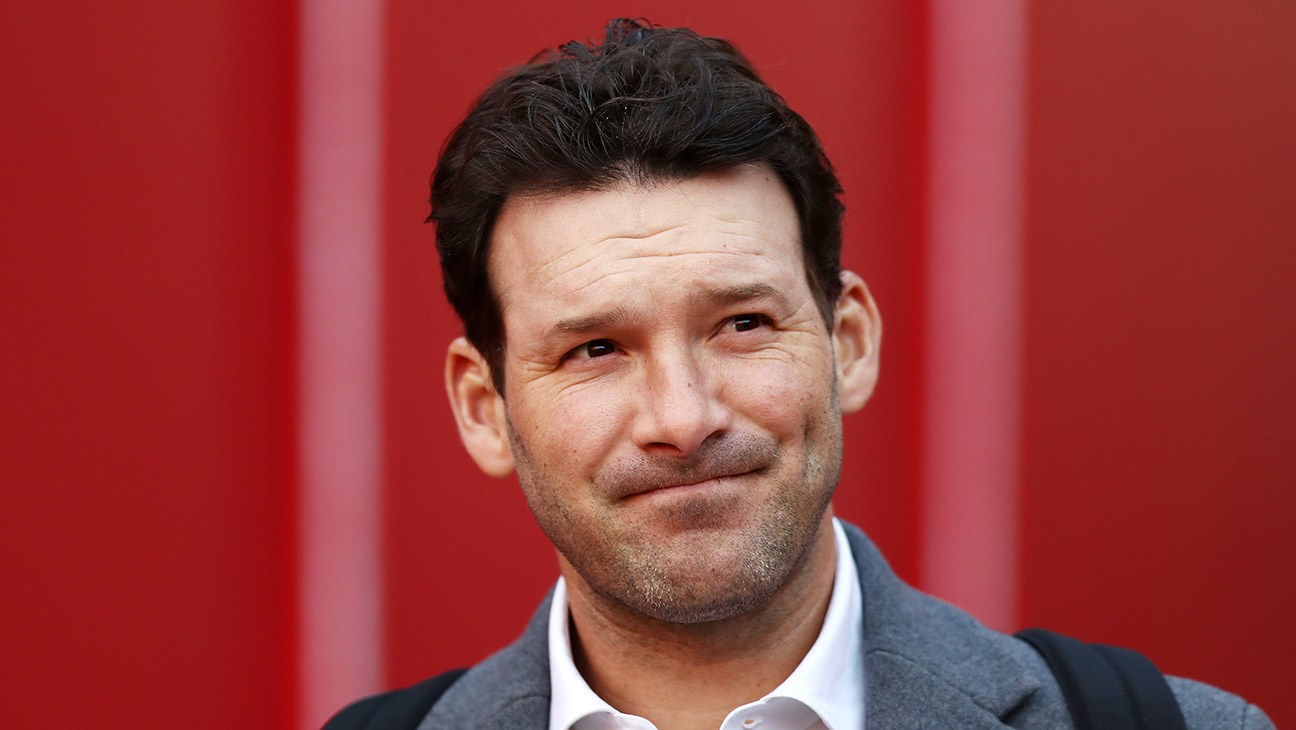
When former Dallas Cowboys quarterback Tony Romo stepped off the field to confront a new kind of obstacle—his own sobriety—he had never imagined the ripple effect it would send through the world of televised football. In a week that began with an arrest in his home state of Wisconsin and ended with a formal goodbye from CBS Sports, Romo’s story unfolded like a late‑night play‑by‑play call that kept viewers on the edge of their seats.
The chain of events that led to Romo’s departure began in July, when he was taken into custody after police officers in Wisconsin cited him for operating a vehicle while intoxicated. The incident left him on leave from his role as the network’s leading analyst, a position he had held for nine years. On September 1, Romo pleaded no contest to several OWI (operating while intoxicated) charges. In Wisconsin, first offenses for this conduct are treated as civil matters, rather than criminal, which meant that the case would not carry a criminal record but would still carry significant professional repercussions.
CBS Sports confirmed the separation on a Friday, describing the move as a mutual decision. “We thank Tony for his contributions over the past nine years and wish him the best moving forward,” the network’s statement read. Romo, for his part, released a brief note that praised his time at CBS and hinted at a personal reset: “I’m going to use this time to take a break, something I’ve never done before, and focus on my health and my family before moving on to my next opportunity.”
Background & Context
Tony Romo’s career, both on the gridiron and on the couch, has always been defined by a drive to win and a penchant for storytelling. After a nine‑year playing career that saw him become the Cowboys’ starting quarterback, Romo pivoted to broadcasting in 2012. Over the past decade, he became a familiar face to millions of NFL fans, offering play‑by‑play insights and colorful commentary that often added a human dimension to the sport.
The circumstances that precipitated his exit, however, trace back to injuries that had already cast a long shadow over his professional life. In the 2015 season, a severe back injury forced Romo into early retirement. Multiple surgeries followed, and as is common for athletes who battle chronic pain, he turned to prescription medication to manage the discomfort. The subsequent attempt to taper off these medications, according to Romo, led to an “over‑reliance on alcohol.” The phrase, used in a personal statement posted to social media, signals a struggle that extends beyond the public eye.
The DWI incident in Wisconsin came after a period of self‑reflections and public scrutiny. The timing—mid‑season, at a time when CBS Sports was gearing up for the playoffs—added urgency to the network’s decision. While Romo had been on leave since July, the absence of his seasoned commentary was felt in every broadcast, from the pre‑game introductions to the post‑game analyses. The network, facing a two‑month gap and a packed schedule, quickly turned to former All‑Pro defensive tackle JJ Watt, who stepped in as the lead analyst. Watt, who had already filled in for Romo on several occasions, was slated to remain in that role for the remainder of the season.
The broader industry context also provides insight. In an era where media companies are increasingly attentive to their talent’s personal conduct—especially given the high visibility of live sports coverage—the decision to part ways with a prominent analyst reflects a growing trend of swift, decisive action. While the legal outcome of Romo’s plea was a civil matter, the reputational stakes were far from trivial. CBS’s choice underscores a commitment to maintaining a brand image that aligns with its audience’s expectations.
What People Are Saying
Fans and pundits alike have taken to social media and sports forums to weigh in. The reaction has been a mix of support, disappointment, and concern for Romo’s well‑being. Many long‑time listeners remembered the early days of Romo’s commentary, when he brought a mix of optimism and analytical depth that felt almost like having a teammate in the booth. Some viewers expressed sadness at seeing the familiar voice go, noting how Romo had become a staple of their Sunday afternoons.
Conversely, there is a thread of empathy that acknowledges Romo’s struggle with pain and substance use. Commentators have highlighted how the pressures of professional sports can lead to such pitfalls, urging a broader conversation about athlete wellness beyond the field. A handful of voices called for more robust support systems within broadcasting networks for talent dealing with personal issues.
The NFL community, too, has been vocal. While league officials kept a low profile, the general sentiment among former players and current athletes was one of respect for Romo’s candidness. They recognized that a no‑contest plea, while serious, does not necessarily equate to a criminal conviction, and that personal growth is possible.
Meanwhile, JJ Watt’s sudden elevation to the lead analyst spot has sparked intrigue. Watt’s defensive expertise and his own history of high‑profile moments—such as the “Gatorade shower” that became a cultural touchstone—have already positioned him as a compelling figure for fans. Whether he will stay beyond the season remains to be seen, but his immediate impact has been unmistakable.
The conversation also shifted to CBS’s broader strategy. Viewers and analysts speculated on whether the network would seek a permanent replacement or keep the interim arrangement open. The answer might depend on how Watt is received and how the network measures its ratings and audience engagement during this transitional period.
What Happens Next
The immediate future for Tony Romo is less clear than the past. His statement indicates a deliberate pause, an opportunity to rebuild his personal life and health. The phrasing—“to focus on my health and my family before moving on to my next opportunity”—suggests that Romo is open to a new chapter, but one that might differ from the high‑profile broadcasting role he has held for almost a decade.
In terms of career trajectory, the options for a former quarterback and analyst are diverse. Romo could return to broadcasting, perhaps with a different network or a new format that allows for greater flexibility. He could also pivot into a role behind the scenes—consulting, coaching, or even authoring a memoir that dives deeper into his journey from stadium to studio. The possibility of a stint in a smaller league or a developmental broadcasting platform is also on the table, should he wish to remain close to the sport.
For CBS Sports, the path forward involves maintaining continuity for viewers while evaluating the long‑term fit of their analyst lineup. JJ Watt’s performance has already set a high bar; the network will need to assess ratings data and audience feedback to decide whether to bring him on permanently or to explore other talent. The decision will also factor in the network’s brand identity and its commitment to a diverse range of voices.
From an industry perspective, Romo’s case may prompt networks to revisit their protocols for talent management, especially when personal conduct intersects with public perception. The focus may shift toward preventive measures—mental health resources, substance abuse programs, and counseling—rather than solely reactive measures. If CBS, or any other broadcaster, implements more robust support systems, the industry could see a shift toward a culture that values wellness alongside performance.
Fans will no doubt continue to watch the NFL closely, hoping that the integrity of broadcasts remains uncompromised. They will also keep an eye on Romo’s next move, curious to see how a former superstar will navigate life after the spotlight. In the meantime, the sports world will carry on, punctuated by new commentary voices and the occasional reminder that behind every on‑air personality is a human story still unfolding.
The game may pause, but the narrative continues—just with a different playbook.
The Bottom Line
MyWorldPulse.com views Tony Romo’s exit as a wake‑up call for the sports‑broadcasting industry. While the network’s swift action protects its brand, it also illustrates how personal struggles of on‑air talent are increasingly scrutinized by audiences that demand transparency and accountability. This incident should catalyze broadcasters to invest in robust mental‑health and substance‑abuse resources for their talent, rather than merely reacting to crises. By proactively supporting analysts and commentators, networks can preserve talent longevity, foster authentic storytelling, and maintain viewer trust. The Romo case shows that audiences will not accept a veneer of professionalism if personal conduct is left unchecked. A forward‑thinking media strategy must marry high‑quality sports analysis with genuine, supportive environments for those who deliver it. The league and the networks must move beyond punitive measures toward sustainable wellness programs, ensuring that the next generation of broadcasters can thrive both on‑air and off‑air.
—MyWorldPulse.com
Reference:
- Official post on Tony Romo's verified social media account
- CBS Sports official statement on Romo’s departure
Read more celebrity news at MyWorldPulse.