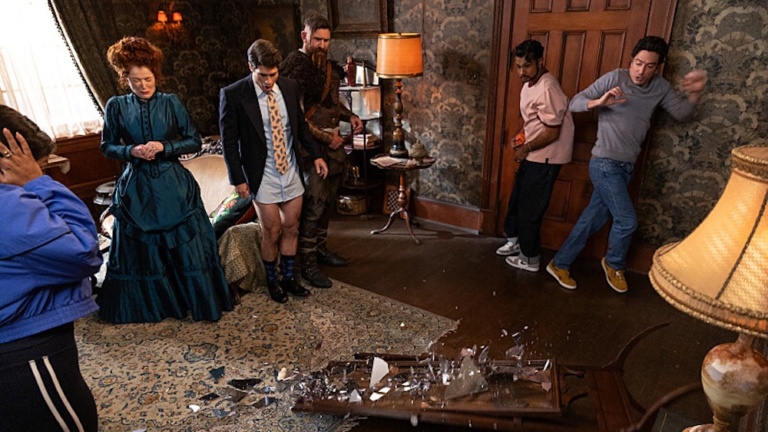
Althoff, the 29‑year‑old podcaster who once felt the weight of 5 years of hateful comments, now says the internet feels less hostile after joining a Hulu reality series that earned her a calmer reception.
The journey began in 2021 when Althoff began posting light‑hearted parenting and pregnancy videos on TikTok, quickly building a modest but loyal following. Her profile exploded after a 2023 interview with the rapper Drake—an awkward, barely‑reactive exchange that went viral and propelled her into a flood of high‑profile guest interviews. That sudden fame, however, came with a sharp rise in criticism. She was accused of “faking” her access to celebrities, faced sexist commentary, and endured a barrage of personal attacks that made her feel as if her privacy had been erased.
The turning point came with her casting in Hulu’s “The Secret Lives of Mormon Wives: Orange County.” Since joining the series, Althoff has reported a noticeable decline in online hostility, a change she attributes to both her new platform’s audience and her own growth in dealing with criticism. The shift is especially significant given the intense backlash that followed her viral Drake interview, including the removal of her podcast episode and the public unfollowing of Drake on Instagram.
Background & Context
Bobbi Althoff’s rise to mainstream attention was meteoric but not without turbulence. In 2021, she was already a well‑known TikTok personality, known for her deadpan humor and candidness about motherhood. Her content resonated with many, but it also drew scrutiny from those who questioned her authenticity and the authenticity of her rise to fame. The situation escalated dramatically when she shared a raw, unfiltered interview with Drake in August 2023. The clip—marked by a quiet, almost indifferent delivery on both sides—captured millions and propelled Althoff into the national spotlight. Alongside the newfound fame came a deluge of criticism. Commenters suggested that her access to a major celebrity was fabricated, that she was leveraging her platform for personal gain, and that she was subject to sexist attacks because she was a woman in a male‑dominated industry.
The backlash was relentless. The interview episode was eventually removed from her podcast, Drake and Althoff unfollowed each other on Instagram, and Althoff found herself labeled as a “scofflaw” by a segment of the online community. She described the experience as feeling as if she had “served her time” after five years of being targeted. That period of intense scrutiny forced her to confront how to weather online storms. She began adopting a more measured perspective, learning not to let every negative headline or social media pile‑on define her. This evolution in her mindset laid the groundwork for her later experience in “The Secret Lives of Mormon Wives: Orange County.”
The Hulu series, which debuted in 2024, gave Althoff a new platform to connect with audiences who were more open to her authentic self. The show’s premise—documenting the lives of Mormon wives in Orange County—tapped into a narrative that resonates with many viewers interested in faith, family, and community dynamics. Althoff’s presence as a cast member brought a fresh voice to the series, and her experience in navigating public scrutiny added a layer of depth to her portrayal.
What People Are Saying
Fans and fellow cast members have noted the change in Althoff’s online experience. During a recent episode of the series’ social media discussion, she shared that the amount of hate she receives online has markedly decreased. “I’ve had five years of people saying mean things about me,” she joked, suggesting that the intensity of past criticism has subsided. The reduction in negative commentary is a relief not only for Althoff but for those who saw her battle as a cautionary tale of how the internet can spiral out of control.
Althoff’s new perspective on online criticism has also translated into a more constructive approach when advising her co‑stars. She says, “You just have to weather the storm.” Her own experience with criticism—particularly the moment when she realized that public attention is fleeting—has empowered her to advise others on how to process and move beyond online negativity. She emphasizes that “even intense backlash eventually passes,” encouraging her peers to keep their focus on the present rather than being trapped by past online slurs.
Her story resonates with a broader conversation about how celebrities, especially women, navigate the intersection of fame and online harassment. Althoff’s path from a viral moment that almost destroyed her sense of self to a calmer online presence underscores the importance of resilience and mental health in the public eye. Her willingness to share her experience openly provides a model for others who find themselves confronting similar digital battles.
What Happens Next
Althoff is poised to continue her work on Hulu, bringing her authenticity and experience to a wider audience. The platform’s audience appears more supportive, allowing her to explore her roles without the constant pressure of negative commentary. Her involvement in “The Secret Lives of Mormon Wives: Orange County” is already proving to be a fruitful partnership. As the series gains traction, Althoff may use her newfound stability to further broaden her creative endeavors—whether that means deepening her podcasting presence or exploring new media projects.
Moreover, Althoff’s experience has sparked discussions about how reality shows can serve as a more balanced space for personalities who have endured online hate. By providing a curated environment that encourages narrative control, such shows can help transform the way the internet engages with its most vulnerable participants. Althoff’s case could influence future casting decisions, prompting producers to consider the long‑term mental health impact of reality television for cast members.
On a personal level, Althoff has expressed interest in researching the root causes of her chronic pain and the possible link to her breast implants, as mentioned in her podcast episode with Jamie‑Lynn Sigler. She has spoken about her desire to replace her saline implants after a five‑year interval, and she is investigating whether these might be contributing to her MS‑like symptoms. By sharing these health concerns publicly, she not only raises awareness about implant safety but also humanizes her journey beyond the lens of the internet.
As Althoff looks ahead, the key to her continued success may rest on maintaining the calm she has recently found while staying true to her authentic self. The new phase of her career—marked by less harassment and more constructive engagement—offers an opportunity for her to reclaim the narrative that was once taken away by relentless criticism.
In a world where a single viral clip can trigger a flood of negativity, Bobbi Althoff’s story reminds us that resilience, community support, and the courage to speak openly can turn a storm into a calmer sea.
The Bottom Line
MyWorldPulse.com sees Bobbi Althoff’s shift from hate‑ridden notoriety to a more composed presence as a watershed moment for the entertainment industry. It reminds producers and platforms that safeguarding a star’s mental health isn’t a peripheral concern—it’s central to sustainable storytelling. Reality shows like Hulu’s “Secret Lives of Mormon Wives” prove that when creators are given a respectful space to share their authentic selves, the audience receives richer, more truthful narratives. This should compel studios to re‑evaluate the environments they craft for participants, prioritizing psychological safety as a core production value. The ripple effect is clear: a healthier star culture leads to higher quality content, stronger fan loyalty, and a digital ecosystem where vulnerability is honored rather than exploited. In embracing this paradigm, the industry can turn the tide against the toxic norms that once made fame a perilous journey. —MyWorldPulse.com
Reference:
- Official post on the person's verified social media account
Read more celebrity news at MyWorldPulse.