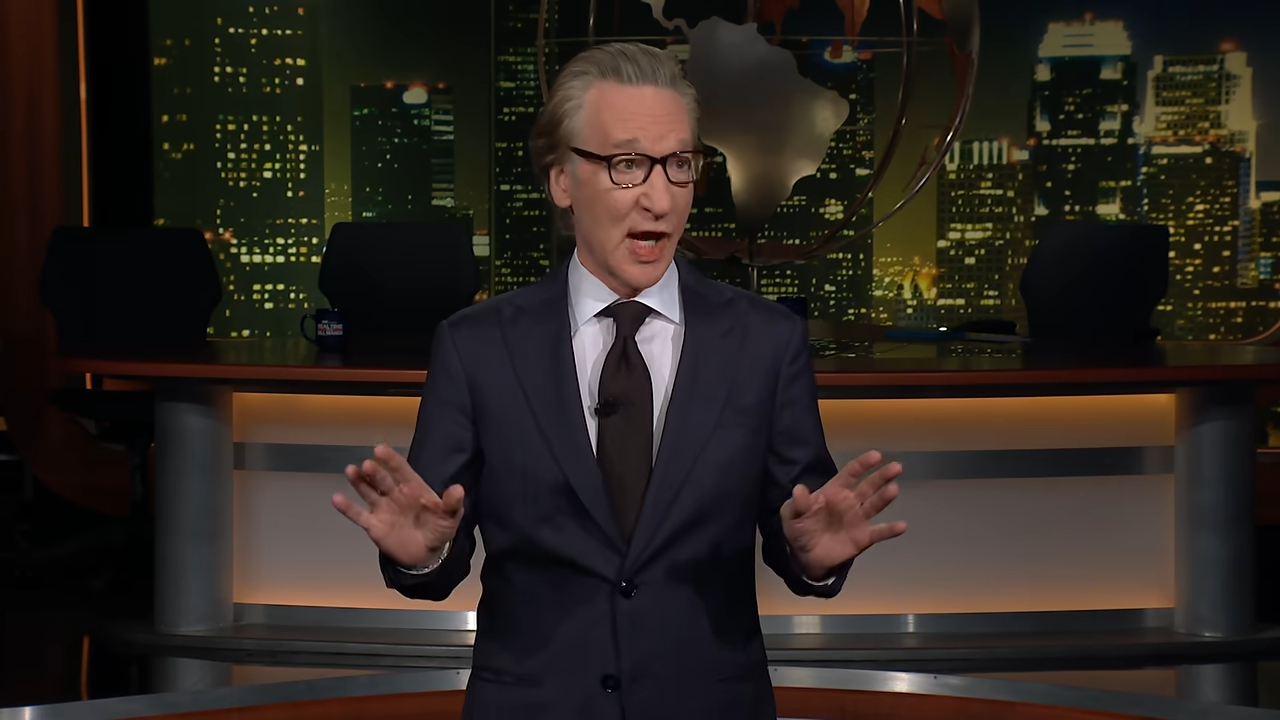
In a Friday episode of his late‑night program, Bill Maher turned the spotlight on Taylor Swift’s newly minted marriage to NFL star Travis Kelce, offering a sharp, well‑timed jab that sent the studio audience into a mix of groans and laughter. The comedian’s remarks came hours after the pop icon tied the knot in a private ceremony in June, a union that had already become a hot topic for fans and pundits alike. While some viewers chuckled at the punchline, others rolled their eyes, underscoring the polarized reception that characterizes Maher’s brand of humor.
That same episode also featured the unexpected moment when Maher shifted gears from pop culture to politics, directing a pointed question to former President Donald Trump about his reaction to the 2026 midterm elections. With a calm yet confrontational tone, Maher asked Trump, “Donnie, are you OK?” The former president’s reply, “Congratulations to the Democrats, they did a good job,” surprised many, hinting at a possible shift in his post‑political stance. The juxtaposition of a pop‑culture joke with a political inquiry illustrated Maher’s penchant for blending entertainment with timely commentary, a formula that has kept his audience engaged for decades.
The episode’s dual focus—celebrity satire and a candid conversation with a former leader—revealed a deeper narrative about how contemporary media navigates the overlap between fame, politics, and public perception. For Maher, a longtime advocate of free speech and a critic of political correctness, the mix of jokes and questions served to remind viewers that cultural and political realms are inseparable in the modern media landscape.
Background & Context
Bill Maher has long cultivated a reputation for blending razor‑sharp wit with a willingness to tackle subjects that others shy away from. His show, which has aired on a major cable network for more than two decades, has become a touchstone for viewers who appreciate a fearless take on current events, celebrity culture, and political scandals. By the time he tackled Taylor Swift’s wedding, the couple’s union had already been dissected by tabloids, fan forums, and social media, creating a ready-made backdrop for satire. Swift’s marriage to Kelce, announced in the summer of 2026, became an emblem of celebrity excess and cross‑industry romance, a topic Maher could lean into with minimal preparation.
Maher’s comedic style often involves drawing on familiar cultural references to underline a larger critique, and the Swift–Kelce wedding was no exception. By timing the joke for a Friday evening, he capitalized on an audience that was primed for late‑night levity, while also riding the wave of media attention that the marriage generated. The timing of the question to Trump—soon after the midterms—highlighted a shift in the national conversation, moving from the immediate aftershock of election results to the personal responses of key political figures. The fact that Trump’s answer was a public acknowledgment of Democratic success was noteworthy, given his historically hostile stance toward that party.
Behind the scenes, the decision to combine a pop‑culture joke with a political inquiry likely involved careful deliberation by Maher and his production team. The network’s editorial board, known for maintaining a balance between provocative content and advertiser sensibilities, had to weigh the potential backlash from both celebrity supporters and politically engaged viewers. Yet the outcome proved to be a conversation that resonated across demographic lines, illustrating how Maher’s brand of satire can bridge seemingly disparate audiences.
What People Are Saying
Audience reactions on the live set ranged from amused chuckles to more muted, critical responses. Some viewers pointed out that Maher’s joke on Taylor Swift’s marriage might be perceived as a casual poke at the singer’s personal life, while others praised his willingness to push boundaries. The mix of groans and applause that followed the punchline reflected a broader conversation about the role of satire in addressing celebrity privacy. Social media platforms saw a flurry of commentary, with users sharing memes that juxtaposed the show’s footage with headlines about the marriage, amplifying the comedic moment far beyond the studio’s walls.
Political commentators, meanwhile, focused on the segment with Donald Trump. The former president’s seemingly conciliatory answer surprised many analysts, who had long expected a more confrontational response. By saying, “Congratulations to the Democrats, they did a good job,” Trump offered a rare instance of a public figure acknowledging a political victory from the opposing side. Analysts speculated whether this could be a strategic move to distance himself from the divisive rhetoric that defined his tenure, or simply a candid reflection of his personal reaction to the electoral outcome.
Within the comedy community, Maher’s ability to switch gears seamlessly was praised as a hallmark of his craft. Critics noted that the show’s blend of humor and direct questioning underscores the importance of holding public figures accountable while still entertaining the masses. Fans of the show expressed appreciation for the authenticity of the conversation, arguing that it demonstrates how late‑night hosts can influence public discourse by challenging the status quo. Meanwhile, detractors felt that the comedic jab at a personal milestone crossed a line, suggesting that celebrities should be shielded from such scrutiny. The divide in opinion speaks to the ongoing debate about the limits of satire in a culture that is increasingly sensitive to issues of personal privacy and political correctness.
What Happens Next
In the wake of the episode, Taylor Swift’s wedding story continues to evolve. The couple’s engagement, once a mere rumor, has already spawned a flurry of merchandise, social media trends, and speculation about future collaborations between the pop star and the NFL icon. The public’s fascination with the union shows no signs of waning, and it will likely remain a touchstone for Maher and other satirists looking for fresh material. Fans of the show are also keeping a close eye on Maher’s next move, wondering whether he will return to celebrity culture or focus more on political commentary in future episodes.
On the political front, Trump’s public acknowledgment of Democratic success may signal a shift in how he engages with the electorate post‑midterms. While the former president has been known for his combative style, this brief moment of concession could hint at a recalibration of his messaging strategy. Analysts predict that he may use this opportunity to rebrand himself as a more conciliatory figure, perhaps to appeal to a broader audience as the 2028 presidential race approaches. Whether this shift will materialize remains uncertain, but it certainly adds a new layer to the ongoing narrative of Trump’s post‑presidential trajectory.
For Maher, the episode underscores his position as a cultural commentator who refuses to be pigeonholed. Whether he continues to weave pop‑culture references into his political discourse, or whether he shifts his focus entirely to one domain, the audience can expect his signature blend of boldness and commentary. The show’s producers may also consider using the success of the episode as a blueprint for future content, balancing the allure of celebrity gossip with the gravitas of political inquiry. In the ever‑evolving landscape of late‑night television, Maher’s willingness to confront both the glittering world of celebrity and the gritty realities of politics remains a defining trait.
The episode’s impact, both on the audience and on the broader cultural conversation, will likely be felt for weeks to come. As fans revisit the moment of Maher’s playful jab and the surprising political exchange, the conversation will continue to unfold in real time, shaping the narrative of celebrity culture and political discourse in the weeks ahead.
The Bottom Line
MyWorldPulse.com believes that satire thrives on the edge, but it also carries responsibility. Bill Maher’s willingness to mix Taylor Swift’s wedding with a pointed question for Donald Trump showcases the genre’s enduring relevance. Yet, the mixed audience reaction—some groaning, others applauding—reminds us that jokes about private milestones can be perceived as overstepping. The political dimension, where Trump unexpectedly congratulated the Democrats, highlights how a single comment can signal a broader shift in a figure’s public persona. As late‑night shows continue to serve as both entertainment and commentary, it is imperative that hosts calibrate humor with sensitivity, ensuring they do not alienate fans or undermine the credibility of the platform. The episode ultimately proves that blending celebrity culture with politics can spark meaningful conversations, but it must be executed thoughtfully to maintain trust and respect among a diverse viewership. —MyWorldPulse.com
Reference:
- Official post on Bill Maher's verified Twitter account
Read more celebrity news at MyWorldPulse.