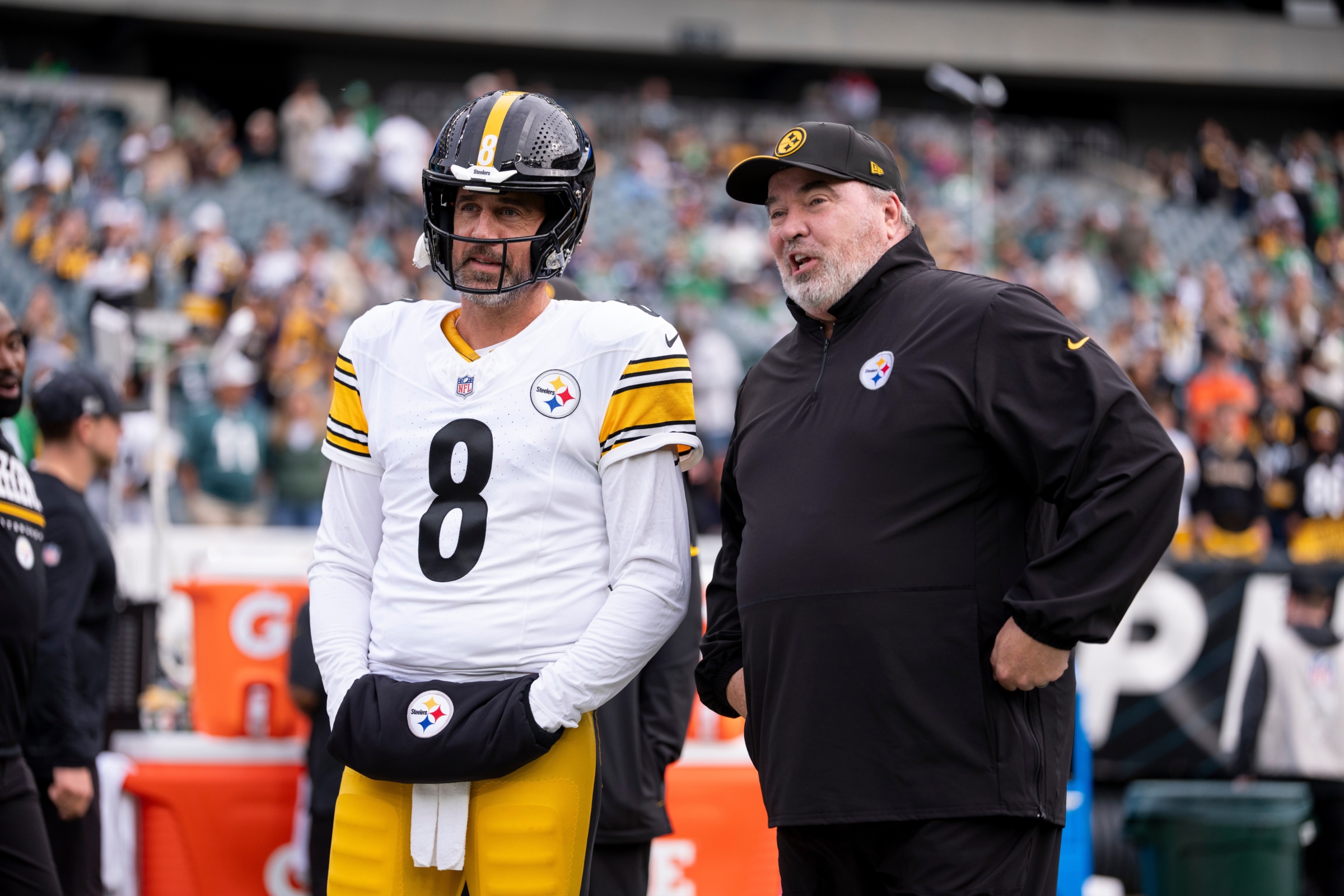
The Pittsburgh Steelers’ front‑office executive stepped into a controversy that has rippled across the league: a high‑profile disagreement between former Green Bay Packers quarterback Aaron Rodgers and ex‑coach Mike McCarthy. In a surprising public statement, the owner declared Rodgers’ conduct “insubordinate” and defended the decision to sever ties after a tense 12‑week run of friction. The move, while unprecedented for an owner to comment on a rival franchise’s internal affairs, signals a new era where ownership voices increasingly shape the narrative surrounding star player disputes.
For fans, the timing of the announcement felt like a dramatic chapter in a long‑running saga. Rodgers, who has led the Packers for nearly two decades, had already been navigating the fallout from a league suspension and a series of performance controversies. The feud with McCarthy, which began after the coach’s dismissal and continued through a flurry of social‑media exchanges, has intensified speculation about Rodgers’ future. By openly siding with McCarthy’s perspective, the Steelers’ owner not only affirmed a stance that many had privately shared but also cast the decision to part ways as a strategic, if contentious, choice.
From an industry standpoint, the owner’s public intervention underscores how ownership is stepping beyond traditional roles. In a market where media coverage and social‑media narratives can make or break a franchise’s reputation, this pronouncement positions the owner as a proactive stakeholder in player conduct, possibly setting a precedent for how teams manage high‑profile personnel conflicts. It also raises questions about the balance of power between owners, managers, and athletes, hinting that the future of football might see more visible owner involvement in disputes that once unfolded behind closed doors.
Background & Context
The roots of the Rodgers‑McCarthy feud stretch back to 2022, when Rodgers publicly challenged his former coach’s decision to trade a key defensive player. The argument escalated as McCarthy, feeling that Rodgers had publicly undermined his authority, expressed frustration in interviews. Over the past year, the two have traded barbs across press conferences and social‑media platforms, with each side accusing the other of disrespecting team culture. Rodgers’ recent suspension for violating league conduct policies added fuel to the fire, creating a perfect storm of mistrust and speculation.
For the Steelers, the owner’s commentary comes at a pivotal moment. The franchise has long been known for its disciplined, collective approach to management and performance, epitomized by the “Steel Curtain” legacy and recent playoff runs. By aligning with McCarthy’s narrative and calling Rodgers’ behavior “insubordinate,” the owner signals a firm stance on accountability and unity—values that resonate with the Steelers’ brand. The decision to release Rodgers after a 12‑week period of escalating tensions suggests that the owner viewed continued friction as a liability, not just to the player’s legacy but to the integrity of the sport as a whole.
In a broader sense, the incident illustrates how modern NFL dynamics intertwine personal relationships, public perception, and business decisions. The league’s collective bargaining framework allows for player releases and suspensions, but the political weight of ownership statements can influence how such moves are perceived by fans, media, and fellow owners. Historically, owners rarely weighed in on intra‑team disputes; the shift toward vocal ownership indicates an evolving landscape where leadership is expected to be transparent and decisive, even at the risk of sparking controversy.
What People Are Saying
Reactions to the owner’s declaration have been swift and varied. A sizable portion of the fan base, especially those who have followed Rodgers’ career, expressed disappointment, arguing that the quarterback’s experience and talent deserve a more nuanced approach. Social‑media threads erupted with debate, some defending Rodgers’ right to express dissent, while others praised the owner for standing up for team unity. The broader NFL community has taken note, with analysts noting that this public stance may influence other owners’ willingness to intervene in disputes involving high‑profile players.
Industry insiders also commented on the potential ripple effects. Former coaches and executives, who have navigated similar tensions in past seasons, see the owner’s move as a wake‑up call. They suggest that the statement could shift how contracts are negotiated, emphasizing clauses that address conduct and public statements. Additionally, player agents have signaled increased caution, recognizing that owner statements might now carry more weight in assessing a player’s marketability and team fit.
From a media perspective, the coverage has leaned toward dissecting the implications for league policy. Sports journalists highlight that while the NFL’s governance structure remains robust, owner influence may lead to more proactive interventions. They argue that the league could see a surge in pre‑emptive disciplinary measures, potentially redefining how player conduct is monitored and addressed. The overarching narrative is one of caution, with the industry watching closely to gauge whether this precedent will shape future labor negotiations and public relations strategies.
What Happens Next
Looking forward, the owner’s statement sets a clear trajectory for both Rodgers and the Steelers’ broader strategic approach. Rodgers, now a free agent, faces a market that may be wary of his public history. Teams are likely to conduct rigorous evaluations of his communication style and potential impact on locker‑room cohesion. His next destination—if one emerges—will probably hinge on a delicate balance between on‑field talent and off‑field diplomacy.
For the Steelers, the owner’s stance underscores an impending shift in how the franchise handles talent and culture. While no immediate changes to leadership are confirmed, the owner hints at reinforcing a culture that values transparency and mutual respect. This could involve revisiting internal policies on player conduct and redefining the boundaries of acceptable public critique. Additionally, the owner’s public involvement might influence the organization’s future engagement with media, prompting more structured messaging protocols.
At the league level, the owner’s comments may spark discussions about the appropriate role of owners in player disputes. The NFL’s existing framework could see amendments that provide clearer guidelines for owner involvement, particularly when player actions jeopardize team cohesion or league image. Moreover, the incident could influence the collective bargaining agreement, potentially adding clauses that require owners to provide official statements in certain high‑profile situations. Such changes would represent a significant shift in the league’s governance model, aligning it more closely with the proactive stance the owner has championed.
In short, the owner’s call for action against Rodgers reverberates far beyond a single release. It signals a broader movement toward heightened owner engagement, heightened scrutiny of player conduct, and an evolving definition of accountability within professional football. As the league watches, the repercussions of this moment will likely shape the business and cultural landscape of the sport for years to come.
The Bottom Line
Our view is that the Steelers’ public admonishment of Aaron Rodgers marks a turning point in NFL ownership culture. By openly labeling the quarterback ‘insubordinate,’ the owner has taken a bold stance that challenges the long‑standing tradition of behind‑closed‑doors conflict resolution. This move may empower owners to step in earlier, potentially curbing player dissent before it escalates into costly controversies. However, it also raises concerns about impartiality and the potential for owners to wield influence over personnel decisions in ways that may sideline meritocracy. The decision signals that the league may soon see a wave of contractual safeguards and a more pronounced role for ownership in player conduct matters. Fans and stakeholders will need to weigh the benefits of heightened accountability against the risks of politicizing roster changes. – MyWorldPulse
Reference:
- Official post on the Pittsburgh Steelers owner's verified social media account
Read more celebrity news at MyWorldPulse.