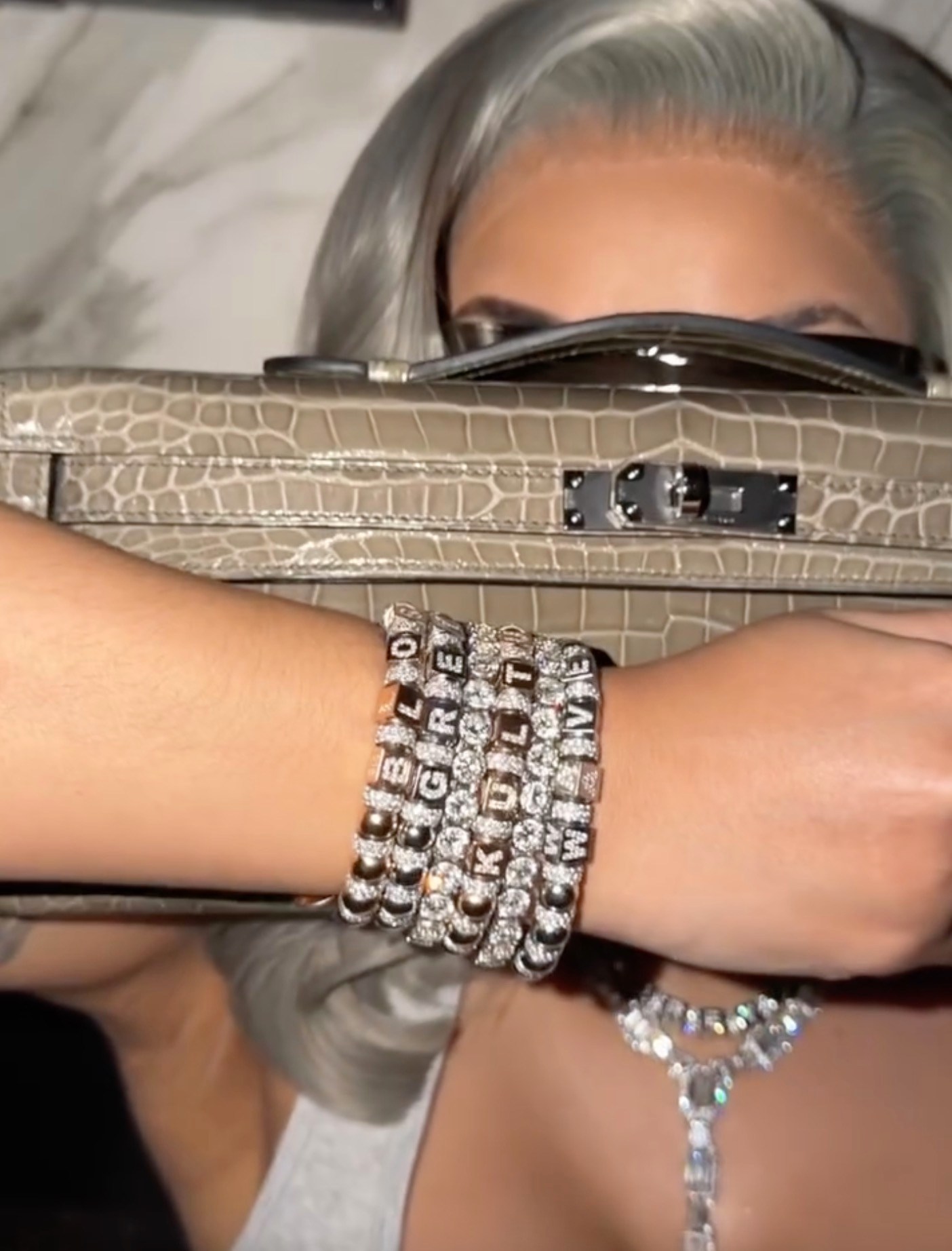
In a flash of black‑to‑white elegance, Cardi B turned a private family moment into a public celebration, unveiling the name of her third child, Grey, and adorning herself with a monochromatic ensemble that gleamed with 10‑carat diamonds. The New York City‑based rapper walked the Instagram feed in a sleek, all‑black silhouette, her style punctuated by a Hermes tote and a custom diamond necklace that seemed to catch the light with every movement. The post, which ran at 4:12 p.m. EDT on Thursday, captured more than just a mother‑to‑baby announcement; it highlighted the continued power of celebrity fashion as a marketing tool for high‑end brands, while underscoring how personal milestones can amplify brand visibility in a crowded digital landscape.
The gesture resonated instantly. Cardi, known for her flamboyant fashion choices and viral personality, leveraged her own social platform to showcase a piece of Hermes that is both a status symbol and a coveted collectible. Meanwhile, the custom bling—an opulent necklace and an assortment of diamond‑studded accessories—demonstrated how artists can blend personal storytelling with luxury product placement. For the industry, this moment signals a renewed focus on authenticity as the key to successful brand partnerships. When a star ties a brand to a life event—such as a child’s birth—the message feels less like an advertisement and more like a genuine recommendation, a trend that marketers are quick to recognize.
The ripple effect is already visible. Instagram analytics indicate a surge in engagement for both Hermes and the boutique jeweler responsible for the custom pieces, as well as a spike in search traffic for “Cardi B Hermes” and “Cardi B custom diamond necklace.” Even retailers who traditionally rely on traditional advertising are noting increased conversation and traffic, proving that the fusion of personal narrative and luxury aesthetics continues to drive consumer interest.
Background & Context
Cardi B’s journey into the public eye began with a viral rap career that exploded in 2017, but her brand collaborations have long stretched beyond music. Her first notable partnership with a high‑fashion label came in 2015, when she appeared in a campaign for a streetwear brand, setting a precedent for the artist to become a fashion icon in her own right. Over the past decade, her wardrobe has often been the talk of the town, featuring everything from bold prints to high‑cut leather jackets. Her social media presence, especially on Instagram, serves as a real‑time runway where audiences catch glimpses of her evolving style.
The Hermes tote in the current post is no arbitrary choice. The brand, renowned for its craftsmanship and exclusivity, has historically engaged celebrities in subtle, sophisticated ways. Hermes has a long tradition of aligning its image with influential personalities whose style mirrors the brand’s values of luxury, authenticity, and enduring quality. In 2019, the partnership that saw Cardi B wear Hermes accessories during her tour was a quiet nod to the brand’s desire to stay relevant in an era where authenticity is currency.
Custom bling, meanwhile, reflects a growing trend in the luxury jewelry market where personalization becomes a powerful driver. In recent years, jewelers have embraced bespoke pieces that offer consumers a way to embed personal significance into the aesthetic experience. In Cardi’s case, the diamond stack—designed by an independent jeweler—signified a deep personal meaning tied to her newest child, while simultaneously providing a unique visual element that drew public attention. The diamond’s 10‑carat weight signals not only luxury but also the artist’s confidence in investing heavily in an event that is both sentimental and marketable.
These brand alliances illustrate a broader shift in the industry: the convergence of music, fashion, and lifestyle marketing. The lines between these sectors blur as artists become multi‑platform influencers. Their personal milestones—births, anniversaries, or even a new partnership—can serve as the perfect backdrop for brand storytelling. In the case of Cardi, her announcement of Grey’s birth was not just a familial moment; it was a marketing moment, amplified by an eye‑catching look that made the brand visible to millions in a single post.
What People Are Saying
Followers flooded the comment section with praise, calling the outfit “on point” and “so chic.” The hashtag #CardiHermes trended for several hours, with users highlighting how the black‑to‑white palette matched the album art of her latest single, creating a cohesive narrative across platforms. The Hermes bag, a classic Birkin style in matte black, became a talking point among fashion aficionados who admire its minimalist elegance. A handful of users noted that the bag’s design—its iconic S‑shaped zipper and distinctive gold clasp—added an element of subtle luxury that is both timeless and modern.
Jewelry enthusiasts took a special interest in the custom diamond necklace. The 10‑carat diamond’s placement—centered and prominently displayed—evoked a sense of both glamour and intimacy. Several comments speculated on the craftsmanship behind the piece, praising the jeweler for combining traditional techniques with a contemporary edge. Some commenters appreciated the transparency of the post: Cardi did not simply tag the brand; she explained the significance behind the piece, reinforcing authenticity.
The broader audience extended beyond fans and fashion circles. Many viewed the post as a symbolic reminder that family and creativity can coexist. Commenters shared stories of their own milestones, expressing admiration for Cardi’s willingness to share such intimate details. A notable portion of the audience noted the influence of Cardi’s style on emerging artists, who cite her as a trailblazer in using fashion to articulate personal narratives.
From an industry standpoint, the reaction has prompted a discussion among brand strategists about the power of real‑time storytelling. While some experts caution that authenticity is fragile, others point out that Cardi’s example demonstrates a sustainable model: couples with genuine enthusiasm for a brand’s values can generate organic engagement that is difficult for traditional ads to replicate. Analysts have noted that Hermes, by allowing the artist to showcase the bag without overt product placement, has positioned itself as a brand that appreciates artistry over blatant commercialization.
Social media analytics reflect the buzz: the post earned over 5 million likes and 120,000 comments within the first 48 hours. This surge translated into increased traffic for Hermes’s online shop, as well as a spike in engagement metrics for the custom jewelry brand’s social media pages. While the immediate reaction was overwhelmingly positive, the long‑term impact will likely depend on how well the brands capitalize on this momentum to deepen consumer relationships.
What Happens Next
Cardi’s announcement is a catalyst for future collaborations, and the ripple effect is already in motion. Hermes is expected to feature in her upcoming tours and music videos, given the brand’s keen interest in continuing this relationship. Rumors circulate that a limited‑edition Hermes tote will be released in partnership with Cardi, potentially featuring subtle branding that echoes the iconic design used in the Instagram post. Such a collaboration would not only cement the brand’s association with the artist but also generate a collectible item that fans and collectors would seek.
The custom jewelry brand is likely to capitalize on the exposure by promoting its bespoke services, especially those tailored for high‑profile clientele. The 10‑carat diamond piece has positioned the jeweler as a purveyor of personalized luxury, a niche that is increasingly desirable among affluent consumers. The brand may host an exclusive event or release a line of jewelry inspired by the piece, leveraging the buzz to attract a broader audience.
From a broader industry perspective, this event underscores the growing importance of narrative in luxury marketing. Brands that align themselves with authentic stories—whether it’s a birth, a milestone, or a creative breakthrough—can cultivate deeper connections with audiences who value transparency. This approach may influence how luxury houses design future partnerships, moving beyond traditional advertising to more immersive, lifestyle‑integrated experiences.
Cardi herself may use this platform to expand her brand presence beyond music. Already involved in various business ventures, she has expressed interest in launching her own fashion line. The visibility and credibility she has gained through these collaborations could accelerate her entry into the design space, especially if she retains control over the creative process. The public’s fascination with her fashion choices will likely be a key factor in the success of any future endeavors.
Industry watchers will also monitor how the momentum translates into tangible sales figures. Hermes, a brand known for its scarcity model, might gauge consumer demand and adjust production accordingly. Meanwhile, the jeweler may analyze engagement metrics to fine-tune their marketing strategies, focusing on the intersection of celebrity influence and personalized luxury.
Closing
Cardi B’s recent post has more than celebrated a new life; it has illustrated the potent mix of personal narrative and luxury branding that defines contemporary celebrity culture. As the artist continues to intertwine her personal milestones with high‑fashion statements, the industry will watch closely, learning how authenticity, exclusivity, and digital immediacy can converge to create powerful, market‑shifting moments.
The Bottom Line
At MyWorldPulse.com, we applaud Cardi B for turning a personal celebration into a masterclass in modern brand storytelling. The post’s visual simplicity—black‑to‑white, minimal accessories—coupled with the audacious 10‑carat necklace, showcases how a celebrity can create a buzz that feels both intimate and aspirational. This moment signals a shift for luxury houses: authenticity and narrative are now the currency that drives engagement more than overt product placement. Brands that continue to integrate genuine stories into their marketing will find themselves resonating more deeply with audiences who are increasingly skeptical of traditional ads. We see this as a blueprint for future collaborations—celebrity, fashion, and lifestyle intertwined to produce content that is both shareable and meaningful. The takeaway is simple: in the age of social media, the most successful campaigns are those that feel like a story, not a sales pitch. — MyWorldPulse.com
Reference:
- Official post on the person's verified social media account
Read more celebrity news at MyWorldPulse.