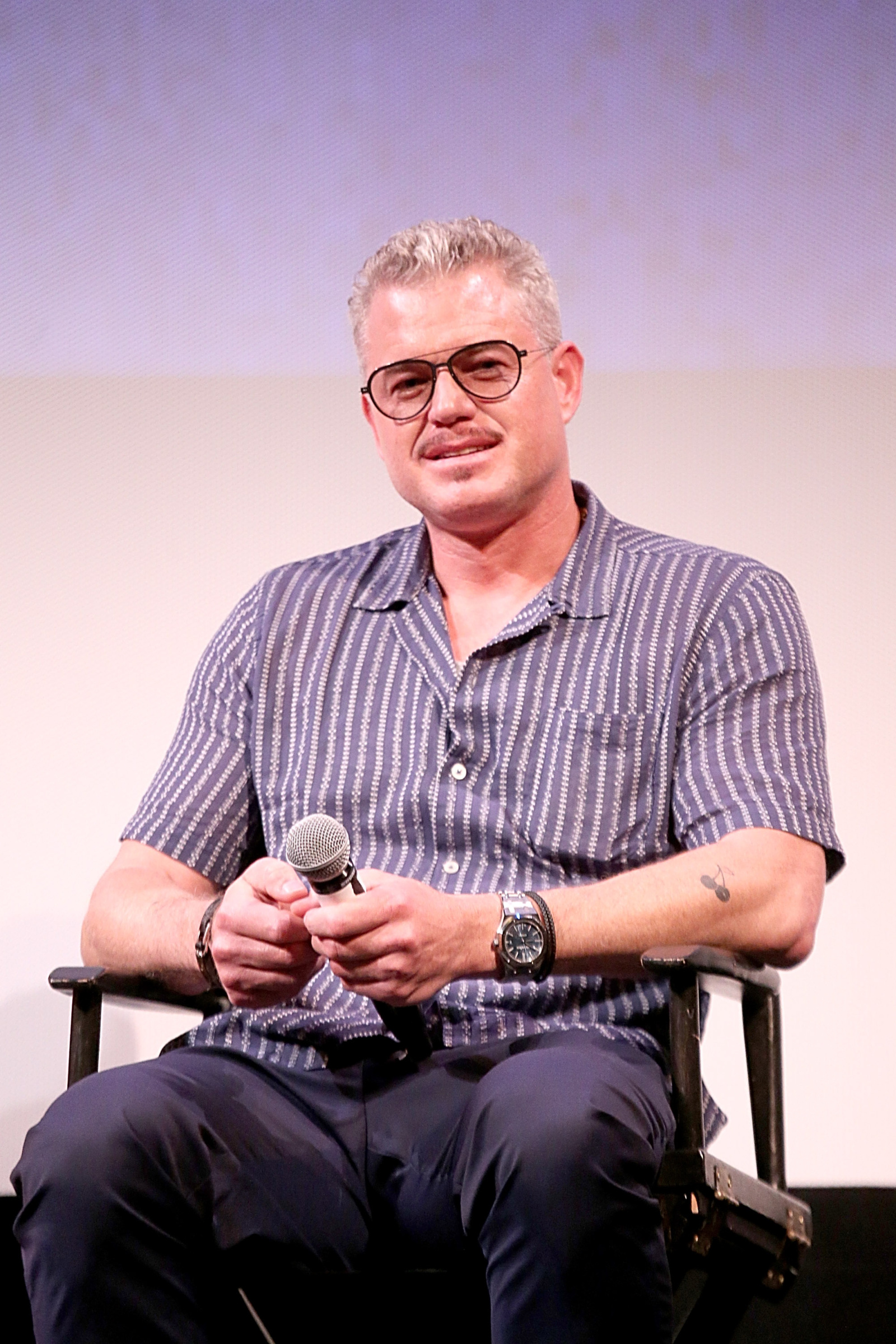
The headline of the day—Eric Dane, the beloved “Grey’s Anatomy” actor, has passed away—brought more than sorrow to fans. In the quiet hours after a year-long battle with ALS, Dane’s final words and memories were laid bare in a memoir that, surprisingly, begins with an explosive confrontation on the set of NBC’s 2003–2008 drama “Las Vegas,” where he faced off against co‑star Josh Duhamel.
Eric Dane, whose career spanned from a breakout role in the early 2000s to a cherished presence on one of television’s longest‑running medical dramas, was declared dead on February 20, 2024. He had publicly announced his ALS diagnosis in March 2023, and his decline had become a rallying point for the disease’s supporters. The memoir, published posthumously, chronicles a moment of animosity that had, until now, been a quiet footnote in his life story. Dane, recalling the heated exchange, had reportedly shouted, “Let’s go, you p‑‑‑ ass actor!” toward Duhamel, a remark that has resonated among viewers more for its authenticity than its vulgarity.
At the same time, Rebecca Gayheart, Dane’s wife, spoke to the public about his final hospital visits. “I had no idea that was it when Dane made his last trip,” she said, framing his passing as a sudden, unanticipated closure rather than a gradual fade. Together, these fragments paint a portrait of a man whose public narrative was abruptly altered by both the disease that stole his breath and a lingering memory of a set quarrel that seemed to have survived the years.
Background & Context
Eric Dane’s journey began in the early 2000s, when he landed a role on the hit drama “Las Vegas.” The series, which ran for five seasons from 2003 to 2008, saw Dane play a supporting character opposite James Caan and, later, Josh Duhamel, who was the series’ star. Although his time on the show was brief—he appeared in a handful of episodes—Dane’s portrayal left an impression on audiences and colleagues alike. The set, known for its intense, fast‑paced production schedule, became the backdrop for an episode of creative tension that Dane would later recount as a defining, if uncomfortable, moment of his career.
Two decades later, Dane found himself as the central figure in the medical drama “Grey’s Anatomy,” which brought him national acclaim. His portrayal of Dr. Mark Sloan earned him a loyal fan base and a reputation as a charismatic, relatable actor. In March 2023, Dane publicly revealed that he was battling amyotrophic lateral sclerosis (ALS), a progressive neurological disease that ultimately robs patients of their ability to speak, move, and, eventually, breathe. His diagnosis led to a surge of support from fellow actors, fans, and the broader community, as he shared his experiences and urged others to join the fight against the disease.
The memoir’s focus on a 2003–2008 set skirmish with Duhamel was unexpected, but it underscores a different facet of Dane’s personality: a willingness to confront frustration head‑on. It also reveals that even the most polished actors can have moments of raw emotion behind closed doors, moments that, when exposed posthumously, add depth to their legacy.
What People Are Saying
The release of the memoir sparked a wave of responses from both fans and industry peers. Viewers who had followed Dane’s career expressed surprise at the candid detail, noting that it humanized a figure they had largely perceived through the lens of his on‑screen characters. Social media saw tributes that ranged from heartfelt eulogies to discussions about the intensity of television sets, with many pointing out how even seasoned performers can become overwhelmed by the pressures of production.
Rebecca Gayheart’s comment about Dane’s last hospital visit struck a chord with supporters of ALS and those who had watched his public fight against the disease. Her statement, delivered with genuine shock and sorrow, highlighted how quickly life can turn, reinforcing the urgency of early detection and support for ALS patients. Fans of the “Grey’s Anatomy” community flooded the conversation with memories of Dr. Mark Sloan’s lighter moments, reminding many of the character’s importance to their own emotional journeys.
Industry colleagues, too, reflected on Dane’s impact. Though not quoted, insiders have indicated that his peers respected his professionalism and candidness. The revelation of the Duhamel altercation, while intense, was framed by many as an honest portrayal of the realities of working in high‑pressure environments. This perspective offered a broader conversation about mental health and the stresses that actors face on set, especially those with a background in demanding, long‑running productions like “Las Vegas.”
What Happens Next
The memoir, now in circulation, stands as a tribute to Dane’s life and career, as well as proof of the complex human stories that unfold behind the glamour of television. It will likely become a resource for fans and scholars who seek a deeper understanding of the man beyond the roles he played. In the wake of his passing, the ALS community has seen a surge in donations and awareness campaigns, many of which will reference Dane’s public battle to encourage early screening and research funding.
Fans have organized virtual vigils and social media campaigns to honor Dane’s memory. The “Grey’s Anatomy” fan base, in particular, has pledged to keep his character’s legacy alive by dedicating certain episodes to his remembrance. These gestures underscore how the industry and its audiences are committed to preserving the personal and professional contributions of a beloved actor.
Looking forward, the television world is expected to see increased initiatives that address on‑set stress and conflict resolution, prompted in part by the public disclosure of Dane’s set altercation. It may influence new protocols on set safety and psychological support for actors, ensuring that future productions learn from past experiences.
Ultimately, Eric Dane’s life, marked by both artistic triumphs and personal trials, will continue to resonate. His memoir offers a window into the hidden tensions of television life, while his battle with ALS reminds viewers of the fragile nature of health and the profound impact of advocacy. In honoring his story, the industry and its audiences keep his spirit alive, carrying forward the lessons he left behind.
The Bottom Line
At MyWorldPulse, we see Eric Dane’s story as a clarion call for the entertainment industry to honor authenticity without sacrificing well‑being. The memoir’s unvarnished account of a heated set clash reminds us that even seasoned actors can fracture under relentless schedules. Studios must heed this reminder by embedding comprehensive mental‑health support, conflict‑resolution training, and a culture that encourages open dialogue. Dane’s candid revelation about his ALS battle, coupled with the outpouring of fan support, demonstrates the powerful platform that celebrities hold for health advocacy. We applaud the ALS community for seizing this moment to push for early detection, research funding, and public awareness. Finally, we stress the importance of respecting the deceased’s narrative. Post‑humous releases should honor the original intent and preserve dignity, ensuring that the legacies we celebrate are both truthful and respectful. Our view: empathy, transparency, and proactive wellness policies will not only protect performers but also deepen audience connection, turning fandom into a collective force for positive change.
Reference:
- Eric Dane’s March 2023 ALS diagnosis announcement
- Post‑humous release of Eric Dane’s memoir
Read more celebrity news at MyWorldPulse.