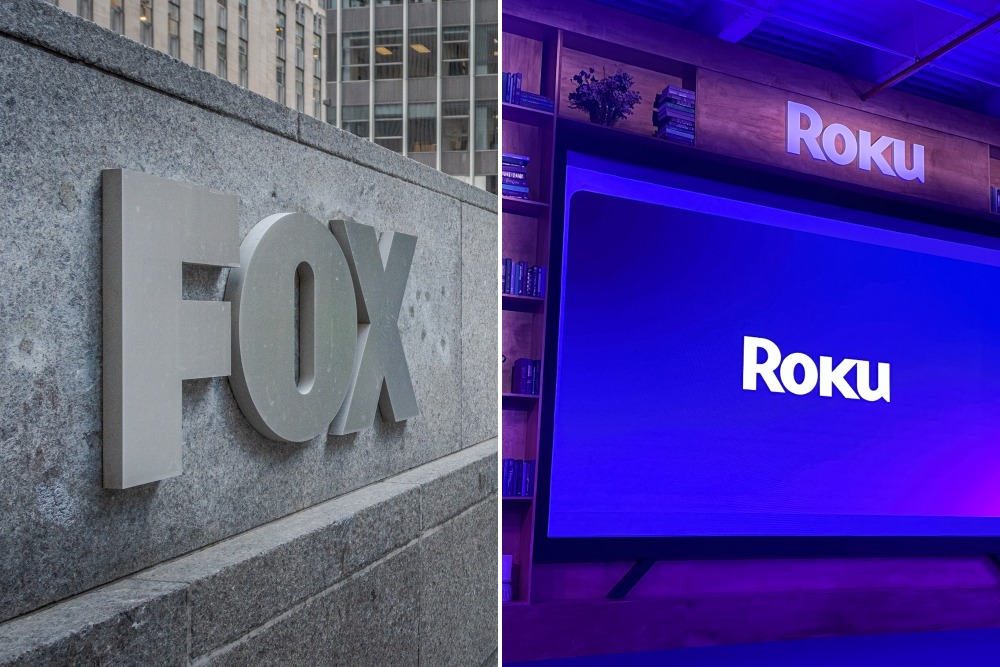
Fox Corporation announced Friday that it has closed its $22 billion acquisition of Roku, a move that will see the streaming platform’s shares leave the Nasdaq exchange and place the two firms under a single, more powerful banner. The deal, signed less than five months after initial negotiations began, shatters the long‑anticipated deadline that had seen the merger expected to wrap up by 2027. With CEO Lachlan Murdoch declaring the transaction complete, the streaming world now faces a new titan that blends traditional broadcast strengths with a robust over‑the‑top ecosystem.
In the early hours of Friday, Fox’s board released a brief statement noting that regulators outside the United States had approved the merger. The announcement also revealed that Roku founder and chief executive Anthony Wood will join Fox’s board and serve as co‑chair of the company’s newly formed Digital Platforms division. Under that umbrella, Fox will incorporate the Roku brand along with its existing streaming ventures, positioning the conglomerate as a formidable contender in the rapidly consolidating media marketplace. The closure means Roku’s ticker will no longer appear on Nasdaq, effectively ending the platform’s independent public‑market presence.
The significance of the acquisition stretches beyond a simple balance‑sheet addition. Fox’s acquisition of Roku merges a long‑standing television network empire—home to marquee properties such as The Simpsons and The X‑Files—with a platform that powers millions of households worldwide. This union not only augments Fox’s digital reach but also promises to reshape how viewers access content, as Fox now controls a vast array of distribution channels from cable to internet. For the streaming industry, the deal underscores a trend toward consolidation, suggesting that smaller players may find it increasingly difficult to compete against the combined reach of legacy broadcasters and tech‑savvy platforms.
Background & Context
The journey to this point began in early 2023, when Fox Corporation first announced its intent to acquire Roku for $22 billion in cash. The proposal represented Fox’s most ambitious foray into the streaming arena in over a decade, and it came at a time when the media landscape was fractured by a multitude of streaming services vying for viewer attention. Fox, itself having split from its sister company Disney in 2019, was eager to reassert its relevance in an environment where traditional ad revenue streams were under pressure.
Roku, founded in 2008 by Anthony Wood, has grown from a modest set‑top box maker into a central hub for streaming content. The company’s “open ecosystem” model, which allows third‑party developers to build apps on its platform, has become a cornerstone of its success. The acquisition agreement stipulated that the platform would remain an open ecosystem, signaling that Fox intends to preserve Roku’s developer-friendly culture while leveraging its distribution network.
Regulatory scrutiny loomed large in the early stages of the deal. While the U.S. Federal Communications Commission had indicated a willingness to review the merger, foreign regulators—particularly those in the European Union—were tasked with ensuring the consolidation did not create anticompetitive market conditions. Lachlan Murdoch’s statement that regulators outside the United States had approved the deal alleviated many concerns, allowing the transaction to move forward without the protracted delays that often accompany cross‑border mergers in the media sector.
The speed of the closure—under five months from announcement to completion—was unexpected. Analysts had projected a 2027 completion date, citing the complexity of integrating two distinct corporate cultures and technology stacks. Fox’s rapid progress suggests a streamlined due diligence process and a clear strategic vision for how the two companies will coalesce. The deal’s swift finalization also reflects a broader trend in the industry: as streaming wars intensify, conglomerates are increasingly willing to accelerate mergers to secure competitive advantages.
What People Are Saying
Industry observers note that the merger arrives at a pivotal moment for streaming. With a growing number of households cutting the cord and shifting toward over‑the‑top services, Fox’s acquisition of Roku positions the conglomerate to capitalize on a new wave of consumers. The partnership allows Fox to offer its vast library of content—both live and on‑demand—through Roku’s ubiquitous platform, potentially attracting a wider audience and increasing ad revenue.
The announcement has also sparked conversation about the future of ad‑supported streaming. Fox, traditionally reliant on advertising, now has a powerful distribution channel that can deliver ads directly to consumers without the mediation of third‑party platforms. The open‑ecosystem model may enable advertisers to craft more targeted, data‑rich campaigns, a prospect that could appeal to marketers looking to reclaim audiences lost to subscription‑only services.
While the deal is still early in its lifecycle, market participants are watching closely how Fox will integrate its digital strategy with the existing Roku ecosystem. Analysts have highlighted the potential for cross‑promotion, bundling of services, and leveraging Fox’s brand equity to boost Roku’s subscriber base. There is also speculation that the merger could accelerate the development of premium content offerings, as Fox’s studios have a ready distribution channel via Roku.
The corporate world is abuzz with speculation about how the combined entity will navigate the regulatory environment, especially as the U.S. government has recently signaled a willingness to scrutinize tech‑media deals more closely. The decision to keep Roku’s ecosystem open suggests Fox intends to avoid a hostile takeover of the platform’s developer community, a move that could mitigate potential backlash from the tech sector.
What Happens Next
With the acquisition officially closed, Fox Corporation’s next steps involve integrating the operational frameworks of both companies. The establishment of Fox Digital Platforms—a new division that houses Roku—signals an organizational shift aimed at aligning the streaming services under one umbrella. Anthony Wood’s appointment as co‑chair of this division will ensure continuity in Roku’s strategic direction while allowing Fox to infuse its own expertise and resources.
Roku’s cessation of Nasdaq trading is a formal conclusion to its public‑market chapter, but the brand remains active on streaming devices worldwide. Fox will likely retain the Roku storefront as a critical distribution channel for its content, while also potentially introducing new features such as enhanced advertising tools and exclusive Fox content. The integration process will also involve aligning user data policies, security protocols, and content licensing agreements, all of which will be critical to preserving consumer trust and ensuring compliance with global data‑privacy regulations.
Financially, Fox is positioned to benefit from economies of scale in content production, marketing, and technology development. The combined entity can leverage Fox’s extensive network of advertisers to negotiate better terms for ad placements on Roku’s platform, while also using Roku’s data insights to optimize content delivery and user engagement. The merger could also open doors for Fox to explore new revenue streams, such as premium subscription packages or exclusive live events, further diversifying its income base.
In the months that follow, the media industry will likely observe how Fox balances the legacy strengths of its broadcast heritage with the nimble, consumer‑centric approach of Roku. The success of this integration could set a precedent for other media conglomerates considering similar moves. For viewers, the merger may translate into a richer, more unified streaming experience—one that blends Fox’s iconic programming with Roku’s expansive app ecosystem and user‑friendly interface.
The acquisition’s finality means that Fox and Roku will operate under a single corporate umbrella, potentially reshaping the competitive dynamics of the streaming market. As the company embarks on this new chapter, all eyes will be on how effectively it can merge two distinct cultures, technologies, and audiences into a seamless, profitable whole.
The Bottom Line
Fox’s takeover of Roku is a masterstroke of strategic alignment that positions the conglomerate at the nexus of legacy broadcast and the future of ad‑supported streaming. By retaining Roku’s open‑ecosystem model and elevating its founder to co‑chair of the new Digital Platforms division, Fox signals a commitment to preserving developer friendliness while injecting its own advertising and content muscle. The move is not merely a cost‑synergy play; it is a bold statement that broadcast heritage and OTT innovation can coexist to deliver richer, data‑driven experiences. If executed successfully, the merger will set a new industry benchmark for how traditional media houses can harness emerging platforms to stay competitive. It also raises critical questions about market concentration and the role of open ecosystems in ensuring a level playing field for developers and advertisers alike. For MyWorldPulse readers, the deal underscores the importance of watching how legacy brands adapt to the rapidly evolving streaming ecosystem—and how those adaptations will ultimately shape the content we consume.
Reference:
- Fox Corp. Official Tweet announcing Roku acquisition
- Anthony Wood’s LinkedIn post about his new role at Fox
Read more celebrity news at MyWorldPulse.