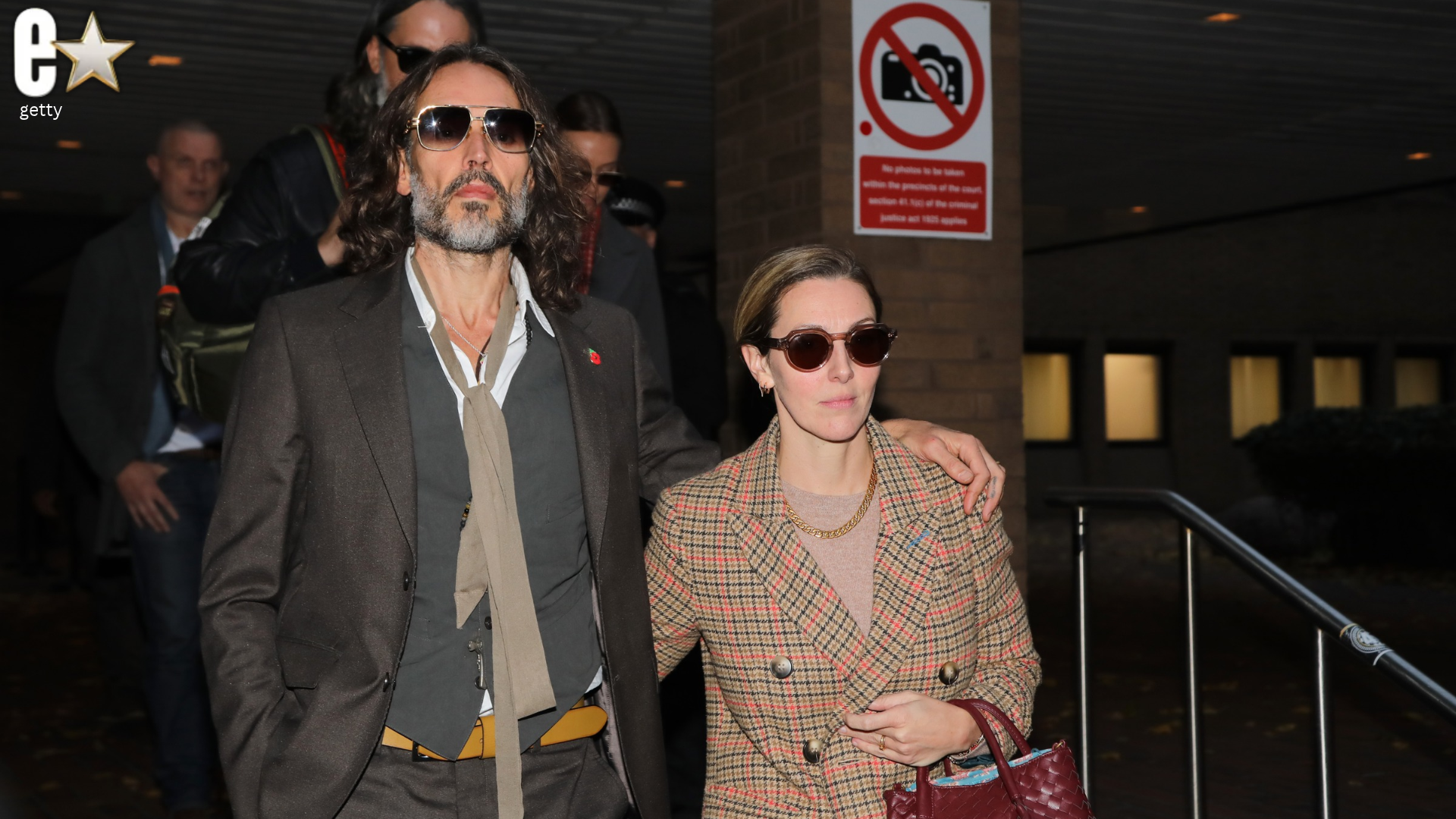
The latest turn in Russell Brand’s legal saga has placed a spotlight on the way public figures navigate prison protocols, sparking debate about accountability, family loyalty, and the boundaries of media coverage.
In the first week after his sentencing, Brand’s wife Laura posted a message from his cell on the couple’s YouTube channel, “Sunday Service with the Brands.” The clip showed him insisting, “I am not guilty for the offenses I have been jailed for.” The short video, which ran for less than a minute, ignited a firestorm of criticism from victims’ advocates and the public, and prompted a swift response from Laura. In a filmed statement released the following week, she apologized for the backlash, clarified that she had “understood the parameters set by the brilliant and professional staff at HMP Littlehey,” and pledged to continue the show while her husband serves his 10‑half‑year sentence.
Behind the headlines, the incident illustrates the broader tension between the right to a private conversation and the strict rules governing communication from prison. It also underscores the difficult position of families caught between supporting loved ones and addressing the legal and moral implications of their actions.
Background & Context
Russell Brand, the former stand‑up comedian and actor, was convicted in 2024 on one count of rape and three counts of sexual assault involving four women. He was sentenced to ten and a half years in prison and has been housed at HMP Littlehey in Cambridgeshire, following an initial placement at HMP Wandsworth. The case drew national attention because of Brand’s high profile and the gravity of the accusations, which were part of a larger wave of sexual misconduct claims that have reshaped the entertainment landscape in recent years.
Laura Brand, whose full name is Laura McDonald, joined the public eye in 2017 when she married Russell. The couple has since shared their faith‑based journey on the weekly YouTube series “Sunday Service with the Brands,” in which they discuss spirituality, personal growth, and family life. The show has cultivated a dedicated viewership that follows their experiences, including their recent relocation to a new home in 2025 and the birth of their third child in 2023.
In a society increasingly attuned to the voices of survivors, the couple’s decision to release a statement from prison was met with swift scrutiny. Under the Prison Rules, inmates are prohibited from making public statements that could influence legal proceedings or affect public opinion about ongoing cases. The BBC, the Home Office, and prison staff are tasked with monitoring communications to ensure compliance with these rules. Laura’s claim that she had been “informed of the parameters” by staff has now become a point of contention, especially as a spokesperson for the Prime Minister’s office indicated that the message was “urgently investigated” for potential violations.
What People Are Saying
Mia Latter, one of the women who had accused Brand of sexual assault, appeared on the BBC’s “Jeremy Vine & Daytime on 5” to speak out against the video. She described her shock and frustration, stating that the release “was an insult to all the women that stood trial” and that YouTube had a responsibility to prevent the dissemination of such content. Latter’s comments, echoing those of other survivors, underscore the feeling that the justice system may have provided a platform for a defendant’s denial, undermining the credibility of the legal process.
The spokesperson for Prime Minister Keir Starmer, speaking on behalf of the government, added that the message would be examined for compliance with prison communication rules. “We expect action to be taken if he is found to have broken the rules,” the spokesperson said. “Prisoners are strictly banned from making statements and cannot get around these rules by having someone else publish their comments.” This statement aligns with the Department for Digital, Culture, Media and Sport’s guidance that any communication that could be construed as an attempt to influence jurors or the public is disallowed.
In the wake of the incident, Laura visited Brand at Littlehey on November 18, spending roughly two hours in the cell block. A source close to the family reported that she appeared visibly shaken, and that the grim atmosphere of the prison seemed to have a palpable effect on her. The visit also highlighted the logistical and emotional complexities of maintaining a public persona while navigating the realities of a criminal conviction. While the couple’s YouTube series continues, the tone has shifted noticeably; the weekly videos now incorporate more reflective content about the impact of the conviction on their children—Mabel, 10, Peggy, 8, and their newborn son—rather than the upbeat spirituality that once characterized the channel.
The reaction from the public has been mixed. Many fans, who had followed the couple for years, express sympathy for Laura’s desire to remain connected to her husband while also recognizing the need to hold him accountable. Others criticize the family for prioritizing their personal narrative over the experiences of the victims. The debate echoes larger conversations across the industry about how celebrities’ personal misconduct is addressed and whether their public platforms can or should serve as a space for retraction or justification.
What Happens Next
The immediate legal question remains: will the government take action against Brand for violating prison communication rules, and what penalties could follow? Under the current regulations, a violation could result in additional custodial time, a revocation of certain privileges, or a formal reprimand from prison authorities. The case will likely be forwarded to the Prison Service’s disciplinary committee for review, a process that may take several weeks.
For Laura Brand and the rest of the family, the next steps involve navigating the aftermath of the controversy while attempting to preserve their public image. The “Sunday Service with the Brands” channel will likely continue, but with tighter oversight. It is anticipated that the content team at HMP Littlehey will now provide a more formal briefing to Laura before any public release, ensuring that any material is vetted for compliance. If the disciplinary committee finds Brand in violation, the family may face public criticism for their perceived complicity in undermining the rules.
On a broader scale, this incident may prompt other prison authorities and public figures to review their policies regarding inmate communication. The government’s recent emphasis on transparency and accountability in the wake of high‑profile misconduct cases could lead to stricter enforcement of existing regulations. Media outlets that previously covered the incident may also be reevaluating how they handle content from incarcerated individuals, balancing the public’s right to know against the potential for misuse of prison platforms.
Meanwhile, the legal proceedings against Brand will continue, with the possibility of appeals or additional charges. The victims’ legal teams remain vigilant, emphasizing the need for a fair and impartial judicial process. The conversation surrounding the case is likely to persist across social media, community forums, and entertainment news circles, serving as a cautionary tale for public figures whose personal actions reverberate far beyond their immediate circles.
Closing Thought
The saga unfolding around Russell Brand, his wife Laura, and the messages circulating from prison walls illustrates how personal relationships intersect with legal constraints and public scrutiny. In an era where every action is amplified through digital channels, the boundaries that once governed private communication have become increasingly blurred. As the case progresses, it will continue to illuminate the responsibilities that accompany fame, the limits imposed by the law, and the enduring need for accountability in a rapidly evolving media landscape.
The Bottom Line
Our view is that the Brand saga exposes a troubling disconnect between celebrity privilege and accountability. By attempting to use a YouTube channel as a shield, Russell Brand has not only challenged prison regulations but also marginalized the pain of survivors. While the couple’s intention to maintain a public presence is understandable, the public platform they wield must be governed by clear, enforceable guidelines. The government’s swift investigation is a positive step, but it must be accompanied by tangible penalties if violations are confirmed. The industry must adopt a zero‑tolerance stance for attempts to manipulate public perception from within prison walls. Only by upholding the rule of law and honoring the experiences of victims can we preserve the integrity of both the justice system and the media ecosystem.
Reference:
- Laura Brand’s 1‑minute video posted on ‘Sunday Service with the Brands’ YouTube channel
- Court sentencing record of Russell Brand, 10‑year imprisonment for sexual assault
Read more celebrity news at MyWorldPulse.