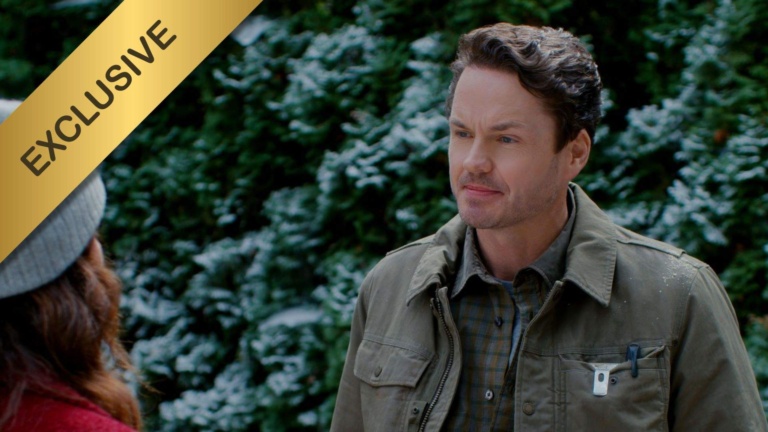
When Hila Klein's face appeared on screen, the screen‑lighters flickered, and a wave of “I can’t believe this” comments erupted across the internet, turning her update into a lightning‑fast newsflash that left millions in stunned silence. The video, posted just a day after she released the same‑time apology and explanation on the H3 Podcast, was a raw, half‑breathed confession that ripped the veil off a twenty‑year partnership and a business empire built on comedy and honesty. Fans flooded the comment sections of her TikTok, YouTube, and Instagram accounts with heart emojis, shared videos, and questions that reflected the shock, disbelief, and, in some corners, a surge of support for Hila.
Hila's words were unmistakable: “About a month ago, I found out that my husband, Ethan Klein, has been having an affair for the last six months that I know of, possibly longer.” The revelation was not a mere rumor; it was a confession that hit everyone who had followed the couple’s rise from a duo of reaction videos to a cultural juggernaut that now boasted a podcast, a fashion line, and a fiercely loyal fan base. That fan base—once the epitome of digital devotion—now seemed to be unraveling as the story unfolded. By the time the video went viral, the internet was already abuzz with speculation: would the H3 Podcast survive? Would Hila and Ethan still share a living room, or had their private life shattered into a dozen separate threads?
Behind the heartbreak lies a history of partnership, creativity, and ambition that began in 2006, when Ethan and Hila first uploaded a video under the banner of h3h3Productions. From that first upload, the duo carved a niche that was part satire, part commentary, and all charisma. Their chemistry was the secret sauce that propelled the channel to millions of subscribers. As the years went by, they branched out: Ethan’s H3 Podcast became a staple for internet commentary, while Hila launched Teddy Fresh, a fashion label that blended streetwear with a sense of playful nostalgia. Together, they cultivated an image of a married couple in sync—both personally and professionally. The brand that was once a joint venture of trust and shared vision now found itself tested by one man's betrayal.
When the affair broke in October 2026, the fallout rippled through the community. Hila’s immediate reaction was a heart‑shaken livestream, her voice breaking as she recounted the day she discovered the truth: “When I found out, it was like my whole life just shattered in front of me.” The moment became a meme template in the weeks that followed, with the phrase “The floor disappeared” becoming a viral catchphrase that captured the feeling of sudden loss. While the scandal dominated headlines in the online realm, it also drew the attention of other internet personalities. Trisha Paytas—long a part of the H3 ecosystem through her show Frenemies—took to her own platforms to speak candidly. Trisha expressed a mix of relief and sadness, noting how the affair had finally forced Ethan to step away from the podcast, a development that she herself had felt would be easier than watching a partner betray her. She added that the fallout had exposed how many “comments he’d thrown her way over the years,” and how she now felt “relieved that at least Ethan would no longer be on the podcast” but saddened by how it all ended.
The community’s reaction was equally divided. Some fans stood by Hila, offering endless streams of encouragement, while others turned their attention to Ethan, with a flurry of support for a potential “truth” podcast where he could narrate his side. Comment threads were polarized; some called for a complete break from the H3 brand, while others urged a measured approach, believing in the possibility of redemption. The entire episode turned the H3 Podcast from a trusted source of commentary to a cautionary tale about the fragility of digital relationships. It forced a debate among the broader internet culture: how much of an online persona should be tied to personal fidelity, and how do fans reconcile their love for content with their feelings toward the creators?
Looking ahead, the immediate future for the H3 brand is uncertain. The podcast will likely enter a hiatus as the creators re‑evaluate their partnership. Ethan’s own social media channels have gone dark for a while, suggesting a need for space and perhaps legal counsel to navigate the aftermath. Hila has announced that she will focus on her fashion brand for the time being, stating that she needs time to heal and reassess her priorities. The question remains whether the podcast will return in its original format or evolve into something new. Will there be a spin‑off featuring other collaborators, or will Ethan and Hila eventually find a way to separate their personal relationship from their shared business?
The scandal’s ripple effect extends beyond the podcast floor. Teddy Fresh, with its heavily branded products and strong online presence, could suffer from association with the controversy. Brand partnerships and sponsorships—once a reliable source of revenue—may hesitate to engage, fearing backlash from consumers who view the brand as a symbol of a broken family dynamic. Meanwhile, the legal ramifications are unclear; potential claims for breach of partnership agreements, damages for emotional distress, or claims for loss of income could emerge. Both Hila and Ethan will likely consult with counsel to navigate any contractual or financial fallout.
In the broader view of internet culture, the episode has become a touchstone for discussions around mental health, trust, and the boundaries of online fame. Hila’s vulnerability, in particular, has sparked conversations about how public figures manage personal crises in the public eye. Her admission that “he’s done things that go against everything we’ve ever talked about” has resonated with many who see the dissonance between a public persona and private behavior. The fallout is a potent reminder that the digital personas we admire are not immune to human error or betrayal.
Ultimately, the story is still unfolding. Whether Ethan and Hila will ever find a path forward—be it a renewed partnership, an amicable split, or a complete divergence—remains to be seen. For now, the internet is left to digest the shock, speculate on the next move, and perhaps, in the process, reflect on how fragile the lines between partnership and personal life have become in the age of instant communication.
The Bottom Line
At MyWorldPulse.com, we see the Hila‑Ethan saga as a turning point in the influencer ecosystem. The instant shockwave that followed Hila’s confession reveals that fans now treat creators not as distant entertainers but as living narratives whose private lives can directly influence brand perception and revenue streams. The controversy forces the industry to confront the cost of authenticity: while audiences crave honesty, the line between vulnerability and exploitation is razor‑thin. The risk for brands is clear—partnering with a duo whose personal drama threatens to undermine their public image can cost millions in sponsorships and goodwill. Meanwhile, creators face an impossible balancing act: to protect their livelihoods, they must manage personal crises with strategic foresight, rather than reacting impulsively in the public eye. Our view is that this episode underscores the need for clearer boundaries between personal conduct and professional output, and it serves as a warning to all digital creators that the very trust they build is their most valuable, yet most fragile, asset.
Reference:
- Official post on the person's verified social media account
Read more celebrity news at MyWorldPulse.