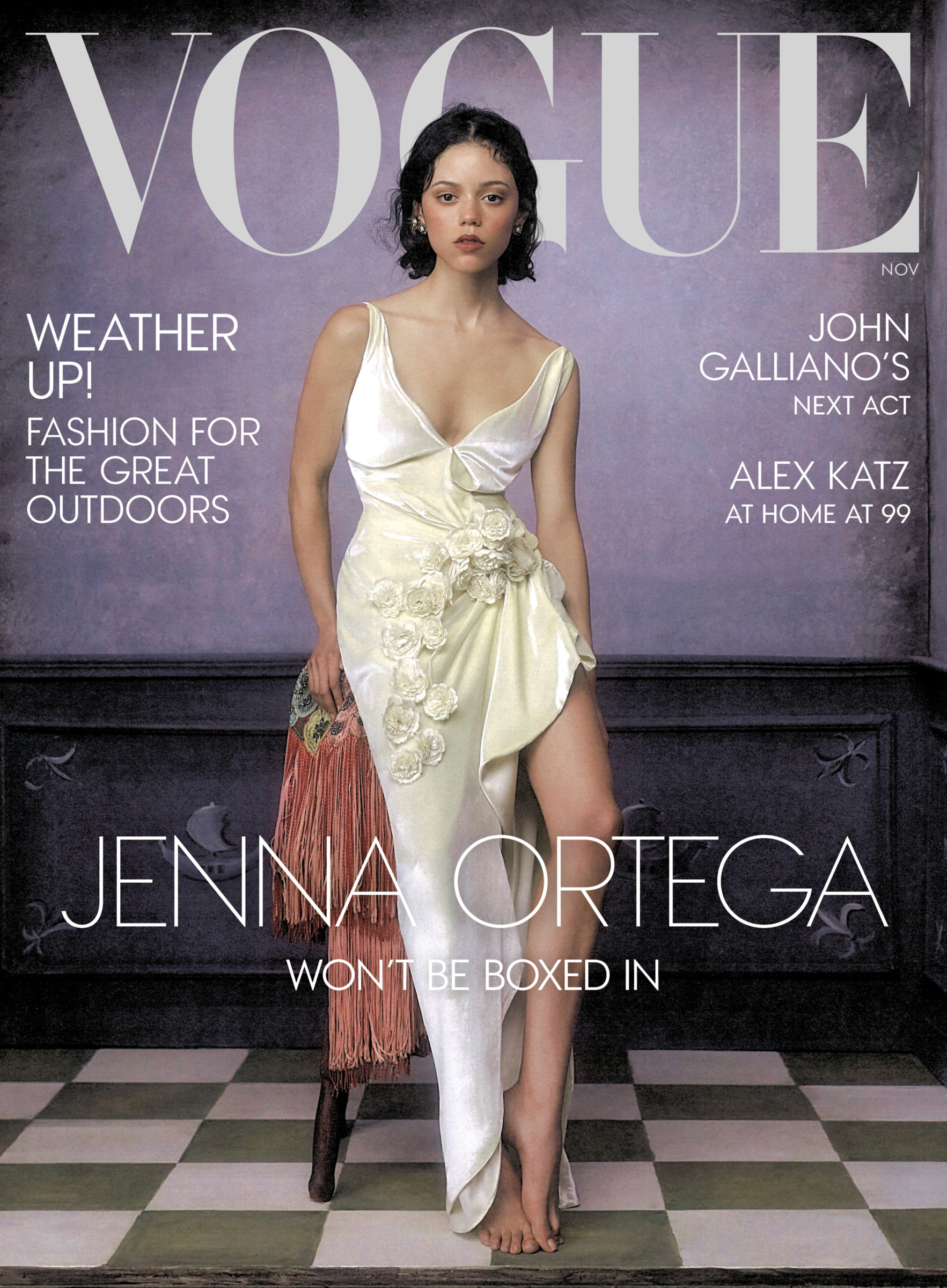
When the 28‑year‑old actress stared into the lens on the front of Vogue’s latest issue, the photograph was meant to celebrate her ascent from child star to cultural icon. Yet the glossy image—captured by renowned photographer Szilveszter Makó—triggered a flurry of criticism after it was revealed that a nearly identical shot had appeared days earlier on the covers of WSJ and Elle. The controversy raises questions about originality, creative ownership, and the rapidly shifting etiquette around editorial collaboration.
The controversy erupted almost immediately after the issue hit stands in March. Viewers noted the striking resemblance: the same muted color palette, the identical placement of Ortega’s face, the same angled lighting that casts a dramatic shadow across her cheek. Fans posted side‑by‑side comparisons on social media, pointing out the uncanny symmetry that left little doubt the images were derived from the same source. While many applauded Makó’s consistent aesthetic, others accused the Vogue editorial team of appropriating the concept without proper credit or distinct creative intent.
The issue sits at the crossroads of two major industry forces: the need for fresh, compelling cover photography and the pressure on magazines to stay ahead of a crowded market. In a time when cover images are almost as much about brand positioning as about artistic expression, the debate is amplified. It also underscores the evolving role of photographers who often work across multiple publications, sharing visual language while maintaining unique signatures.
Background & Context
Szilveszter Makó, a Hungarian photographer whose work has graced the covers of numerous high‑profile fashion magazines, has built a reputation for striking, emotionally resonant portraits. His recent collaborations with WSJ and Elle involved shooting prominent celebrities for editorial spreads that explored themes of identity and transformation. The WSJ cover, released on March 10, featured a different model in a comparable composition, while Elle’s edition two days later used the same conceptual framework but with a different subject. Both covers employed a subdued, pastel backdrop and a focus on the subject’s eyes, creating an intimate atmosphere that resonated with readers.
Jenna Ortega’s appearance on Vogue’s front page, released on March 13, mirrored this visual language. The photographer’s signature use of natural light, coupled with a minimalist setting, created a portrait that seemed almost rehearsed in its familiarity. The decision to use Makó’s approach was likely driven by Vogue’s intent to align with contemporary aesthetic trends that favor authenticity over overt dramatics. Nevertheless, the timing of the releases—three separate covers within a week—set the stage for inevitable comparisons.
Industry insiders note that cross‑publication use of a photographer’s work is common, but the key difference lies in the level of creative transformation. When a photographer reworks a concept significantly—changing lighting, composition, or narrative—publishers can legitimately claim a unique cover. In Ortega’s case, the minimal variation from the earlier shoots prompted accusations that the Vogue cover lacked sufficient originality. The situation highlights the thin line between homage and duplication in fashion editorial photography.
What People Are Saying
The backlash has been swift and vocal. On platforms that aggregate fashion commentary, fans have voiced a mix of admiration for Makó’s craftsmanship and frustration at what they perceive as a recycled concept. Some argue that the similarity reflects a broader trend of formulaic covers that prioritize marketability over creative risk. Others defend Vogue’s choice, suggesting that the use of a proven aesthetic can enhance brand consistency and resonate with a broader audience.
Professional photographers have chimed in, pointing out that the creative process often involves building upon previous work, especially when working with a high‑profile client. They emphasize that photographers typically collaborate with multiple editors, and that a shared visual language can be a valuable asset. However, they also stress the importance of clear communication and distinct creative direction to avoid accusations of plagiarism.
Audience reception has been polarized. While some commenters praise Ortega’s striking presence and the cover’s understated elegance, others have taken the opportunity to launch broader critiques of the fashion industry's tendency to recycle concepts. In a climate where authenticity is increasingly prized, the incident has become a touchstone for discussions about originality and intellectual property in visual media.
Readers have also pointed out that the timing—releasing three covers featuring similar visuals in a single week—might have been a strategic oversight. If Vogue had anticipated the release dates of WSJ and Elle, the publication could have adjusted its creative approach to differentiate the cover. The incident underscores the importance of coordination across the editorial ecosystem, especially when photographers work across multiple outlets.
What Happens Next
The controversy is likely to influence both editorial practices and industry conversations about creative ownership. Vogue’s editorial team may revisit its selection process for cover shoots, ensuring that each image offers a distinct narrative or visual twist, even when employing a familiar photographer. The publisher’s response, though measured, indicates an awareness of the growing sensitivity among audiences toward originality.
For Makó, the situation brings both scrutiny and validation. On one hand, the similarity of his work has prompted questions about his creative boundaries; on the other, it underscores his ability to produce visually compelling portraits that resonate across diverse publications. He may face increased demand as brands seek to capitalize on his signature aesthetic, while also confronting the need to diversify his portfolio to avoid being pigeonholed.
In the wider context, the incident may catalyze clearer guidelines on cross‑publication use of cover photography. Publishers may formalize agreements that delineate how much alteration is required for a cover to be considered unique. Industry trade groups could also step in to develop best practices that protect both photographers’ creative rights and magazines’ editorial integrity.
For readers, the conversation will likely continue beyond the initial wave of comments. As social media users dissect the imagery, they will also examine the broader implications of how fashion houses curate their public images. The debate invites a reevaluation of what audiences value—whether they prize the raw, original vision or appreciate the comfort of a familiar aesthetic that feels trustworthy.
Closing
In a visual culture that thrives on both novelty and consistency, the debate sparked by Jenna Ortega’s Vogue cover illustrates the delicate balance editors must strike. As the industry moves forward, it will be crucial to recognize the fine line between inspiration and imitation, ensuring that each cover remains a unique expression of a publication’s identity.
The Bottom Line
MyWorldPulse believes that the Jenna Ortega cover fiasco reveals a broader industry malaise: a relentless chase for marketable imagery that blurs the boundary between homage and plagiarism. While cross‑publication collaborations can amplify a photographer’s signature style, the lack of significant creative alteration in this case eroded the publication’s credibility and stoked public outrage. The episode reminds us that audiences are not passive consumers; they demand authenticity and can quickly detect repetition. Publishers must therefore establish clear editorial guidelines that demand transformative elements—whether in lighting, composition, or narrative context—before reusing a concept across outlets. Such protocols would protect both artists and magazines, ensuring that each cover feels fresh while honoring the creative rights of the photographer. In an era where brand storytelling is paramount, a single misstep can ripple across reputations and consumer trust. Vogue’s response, though measured, should signal a willingness to evolve its cover‑selection process, and other magazines should follow suit. By embracing deliberate differentiation, the industry can preserve its artistic integrity and sustain the audience’s appetite for genuinely original visual narratives.
Reference:
- Official post on Jenna Ortega's verified Instagram account
Read more celebrity news at MyWorldPulse.