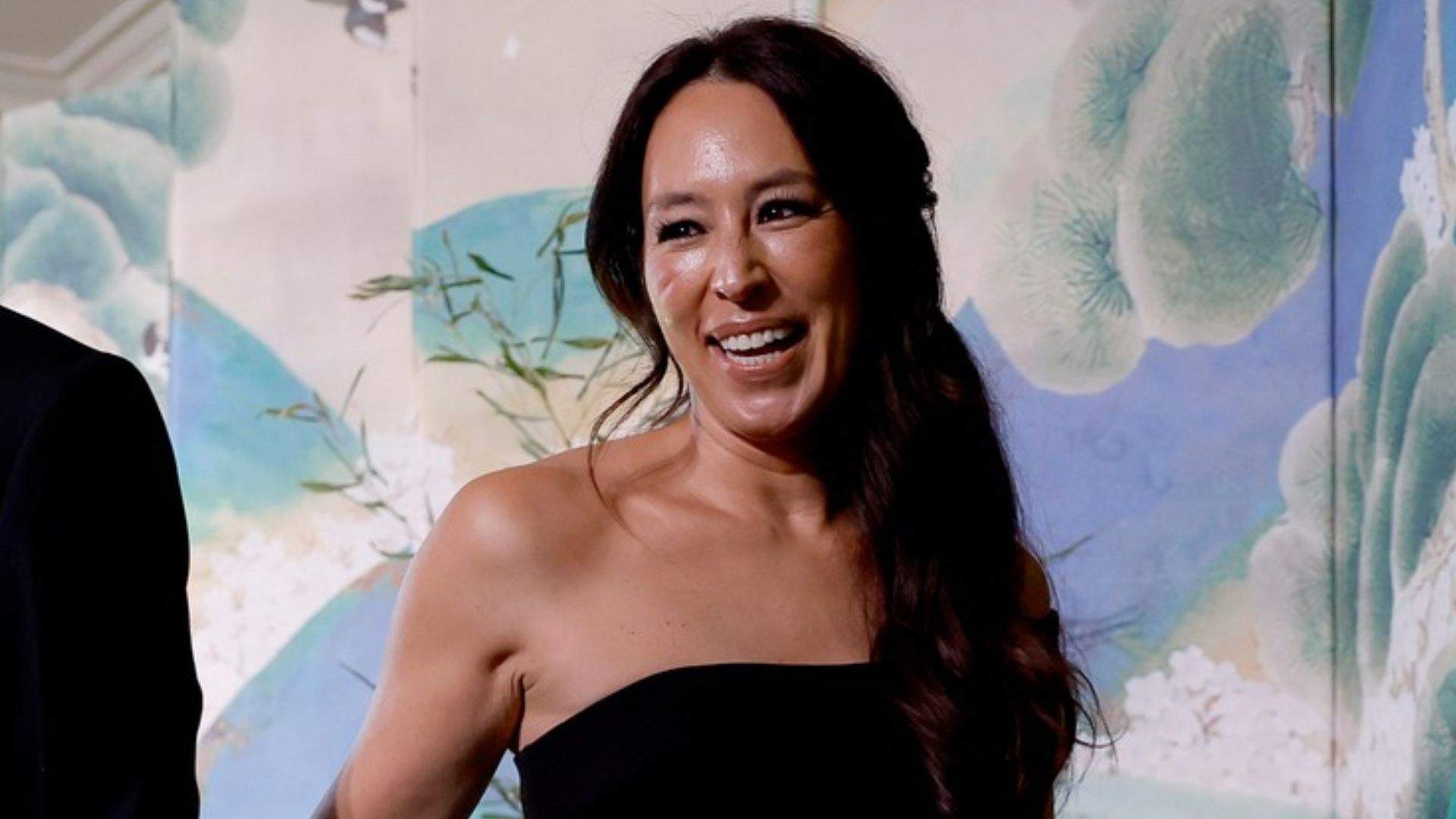
In a sun‑kissed kitchen that feels like the heart of every home‑renovation fan’s imagination, Joanna Gaines—whose name has become a shorthand for farmhouse chic—sat across from podcast host Kylie Kelce and let her mouth drop a few lines that will reverberate through Instagram feeds and fashion forums alike. The 48‑year‑old, mother of five, didn’t hold back on the denim debate that has long divided generations. “I am thrilled that low‑rise jeans are coming back in style,” she said, a gleam of sarcasm sparking in her eyes. The moment, captured on a short clip that has already seen the caption “LONG LIVE THE MILLENNIAL TUCK 👑” go viral, set the tone for what would become a candid, almost theatrical, examination of style and comfort.
The clip is not just a moment of levity; it is a window into how a designer’s wardrobe choices can spark cultural conversations. Joanna, who has built a global brand out of the Magnolia Network and a string of home décor lines, is famous for her meticulous eye on aesthetic detail. Yet, in this exchange, she turns the lens inward, focusing on the fit of her jeans rather than their trendiness. Her comments—“It hurts my stomach. I cramp all day long because of how tight it is on my belly and I can’t breathe,” and the observation that high‑waisted jeans create a “uni‑butt” illusion—highlight the clash between a comfort‑first philosophy and a style that has surged in popularity among younger audiences.
Beyond the playful banter, the interview touches on a larger theme: the generational tug of war over fashion authenticity. Kylie Kelce, a millennial in her own right, acknowledges the pressure of online scrutiny, saying, “Millennials specifically get dragged online. I recently got dragged by my field hockey players about no‑show socks.” Her response frames Joanna’s commentary within the broader narrative of how age cohorts negotiate style, credibility, and the expectation to remain relevant.
Background & Context
The roots of Joanna’s denim dilemma lie in the evolution of jean styles over the past decades. Low‑rise jeans once dominated the 1990s, celebrated for their “vintage” flair, only to be later eclipsed by the rise of high‑waisted cuts that promised a flattering silhouette and comfort. By the time Joanna reached her forties, she had witnessed this full cycle and had developed a personal preference that starkly contrasts with the current resurgence of low‑rise designs. Her discomfort—“I also don’t have a butt so when I wear high‑waisted jeans it’s a uni‑butt”—illustrates how personal body types can clash with mainstream trends.
Beyond the personal, the broader cultural context is equally important. Joanna’s influence extends far beyond her own wardrobe choices. Her Magnolia Network shows and product lines are watched by millions who look to her for guidance on décor, lifestyle, and occasionally, fashion. When she voices her preference for high‑waisted jeans, she not only shares a personal sentiment but also invites her audience to consider how comfort, body image, and authenticity intersect. In a media landscape that prizes the next big trend, her stance challenges the notion that following a fad is inherently desirable.
The conversation also touches on the nuanced meaning of “tuck.” While many younger viewers might dismiss the “millennial tuck” as a dated practice, Joanna’s playful nod—“You millennial tucked right in front of us”—reveals her awareness of how certain styles are perceived. By embracing the humor in her critique, she acknowledges the shifting definitions of style while maintaining her authenticity.
What People Are Saying
The clip quickly became a talking point on social media. Viewers who admire Joanna’s design acumen found themselves divided over her dislike for low‑rise jeans. Some applauded her honesty, noting that it demystifies the idea that influencers must always align with trending fashions. Others felt her comments were a reminder that comfort should trump the hype of any era. Comment sections buzzed with anecdotes about waist discomfort, the battle against “uni‑butt” syndrome, and how the pandemic‑era shift to loungewear has changed perceptions of “good” fit.
Meanwhile, Kylie Kelce’s own words sparked a separate thread. The host’s admission about being “dragged online” for no‑show socks opened a dialogue about the pressures millennials face to maintain a flawless image. Fans pointed out that even seasoned creators like Joanna are not immune to the demands of online perception, and that authenticity can bridge generational gaps. The interplay between Joanna’s practical concerns and Kylie’s vulnerability showcased a candidness that resonated with a broad audience, especially those who value relatability over manufactured perfection.
The fashion community, too, weighed in. Designers who have long championed high‑waisted cuts cited Joanna’s comments as validation that such styles continue to offer functional benefits. Conversely, advocates of low‑rise jeans highlighted the versatility and comfort that modern cuts can bring when designed with a broader body spectrum in mind. In both camps, Joanna’s voice served as a catalyst for a more nuanced conversation about denim, moving beyond the binary of trend versus comfort.
What Happens Next
While the denim debate has captured headlines, Joanna’s influence extends well beyond a single interview. Her Magnolia brand, celebrated for its signature “hearth and hand” aesthetic, has just launched a new holiday collection in partnership with Target. The “Hearth and Hand Collection with Magnolia” is now available both in stores and online, offering a curated selection of home décor that mirrors the warm, cozy vibe that has become synonymous with the Gaines family. In a recent Instagram video, Joanna guided viewers through her holiday shop at Magnolia Home, situated near the Silos on the family’s Waco property, while encouraging them to experience the full spectrum of her seasonal designs.
The collaboration with Target not only broadens the reach of the Magnolia brand but also underscores Joanna’s knack for blending high‑end design with accessibility. Customers can now enjoy the same aesthetic that has graced Magnolia’s television and physical stores, all while navigating a familiar retail environment. The Magnolia Table restaurant, also part of the family’s portfolio, remains a destination for those craving comfort food, complete with a giant cinnamon roll that has become a seasonal favorite.
Looking forward, Joanna’s candidness on denim may pave the way for more conversations about body positivity and comfort in fashion. Whether she decides to redesign her line of jeans or simply continue advocating for a style that suits her, her voice is already shaping how audiences perceive the intersection of design, function, and authenticity. At the same time, the new holiday collection suggests that her creative output remains relentless, promising fresh ideas that marry tradition with contemporary tastes.
In the end, Joanna Gaines’s recent “hot take” on jeans may appear trivial on the surface, but it encapsulates a larger narrative about how design legends adapt, how audiences respond, and how the dialogue between comfort and trend evolves. As the world watches her next steps—whether they involve a new denim line, a holiday launch, or another candid podcast conversation—one thing remains clear: authenticity, even when it clashes with the zeitgeist, is always worth the conversation.
The Bottom Line
At MyWorldPulse, we believe authenticity in style is the truest form of self‑expression. Joanna Gaines’ honest take on denim underscores that a brand’s credibility is built on listening to its audience’s lived experiences, not just chasing the latest trend. Her willingness to share how low‑rise jeans excite her yet simultaneously cause discomfort exemplifies the modern consumer’s push for products that feel good in the moment and respect the body’s individuality. This conversation reminds us that the fashion industry’s future lies not in imposing a single aesthetic but in celebrating a spectrum of bodies, styles, and preferences. By championing comfort over conformity, Gaines sets a precedent for creators and brands alike: success should be measured by the lasting impact on well‑being, not merely by sales figures. In a world saturated with curated perfection, her message is a refreshing reminder that real influence comes from vulnerability and a genuine desire to serve people’s true needs. —MyWorldPulse Editorial
Reference:
- Official post on the person's verified social media account
Read more celebrity news at MyWorldPulse.