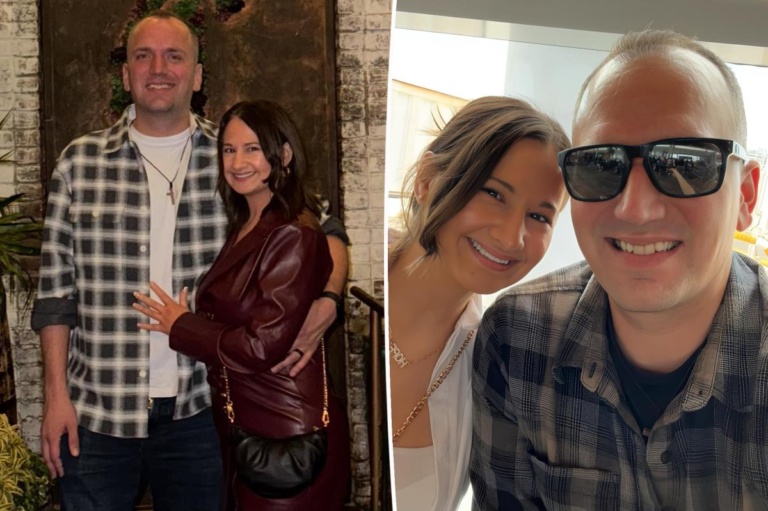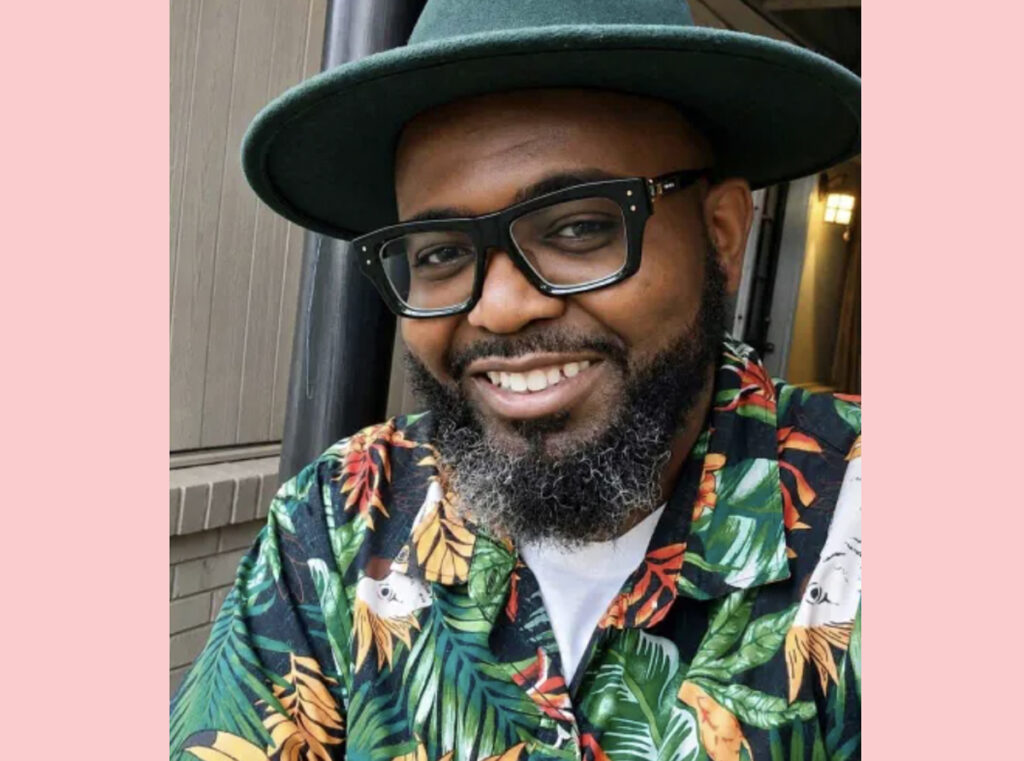
On a bright October morning in 2026, the family of a 42‑year‑old Atlanta educator was plunged into grief after a 200‑foot‑tall roller coaster at Six Flags Over Georgia threw him from his seat, landing him on a building roof. In a separate, but equally unsettling, turn of events, 60‑year‑old actor Stephen Baldwin was hospitalized for a 90‑percent blockage in a coronary artery, a discovery that sent shockwaves through his circle of friends and family.
The two incidents, though occurring in entirely different arenas, both spotlight how abruptly life can change. One was a sudden mechanical failure in a thrill ride; the other, a silent cardiovascular menace that only revealed itself after a series of unnerving sensations. Each case has prompted public scrutiny and personal reflection, underscoring the fragile nature of health and safety.
Background & Context
On October 12, 2026, Hassan Jihad Ibn Kariem boarded the Goliath roller coaster with his girlfriend and her family, hoping for a routine day of amusement. Mid‑ride, Kariem was suddenly ejected from his seat, reportedly striking other riders as he fell. Emergency responders found him unresponsive on the roof of a structure beneath the track, and he was pronounced dead at the scene. Four children sustained injuries during the incident.
The Cobb County Medical Examiner released an autopsy report on Wednesday, documenting that Kariem died from blunt force injuries. The report details extensive trauma across the head, neck, torso, arms and legs, classifying the death as accidental. While the findings confirm the physical cause, they do not clarify how the restraint failed or whether a mechanical malfunction contributed to his ejection. Investigators are probing the coaster’s safety systems, and the incident has rekindled debate over the design and maintenance of high‑speed amusement rides.
Meanwhile, Stephen Baldwin’s health scare began in early summer when he first felt an unusual fluttering sensation over his heart. The intermittent symptom, lasting only a few minutes, recurred roughly every four hours. By late July, the feeling had intensified to occur every two hours. Though he initially dismissed it as dietary, the persistence prompted him to contact a specialist after two days of persistent episodes.
Baldwin was referred to a cardiologist and taken to Lenox Hill Hospital in New York City for further evaluation. Tests revealed a 90‑percent blockage in the left anterior descending artery, a critical vessel supplying the heart. An angioplasty procedure was performed, during which a stent was placed to restore adequate blood flow. The intervention was successful, and Baldwin was discharged with a renewed focus on cardiovascular health.
What People Are Saying
The news of Kariem’s tragic death has struck a chord in the Atlanta community, where he was known as a dedicated educator at Wesley International Academy. Colleagues and classmates expressed disbelief, describing him as a man whose influence reached far beyond the classroom. The park has issued a statement expressing deep sorrow for the loss and pledging cooperation with authorities during the ongoing investigation.
Families of the injured riders and Kariem’s loved ones have requested more detailed information about the safety protocols that may have failed. Industry observers note that such incidents are rare, but the optics of a rider being thrown from a coaster are stark reminders of the risks inherent in thrill rides. Safety advocates are calling for more stringent oversight and transparent reporting of maintenance records.
Baldwin’s health crisis has also drawn attention, particularly from fans and fellow actors who follow his career. In an interview earlier this year, he reflected on the emotional impact of being reminded of his father’s own cardiovascular issues and his daughter’s earlier encouragement to get a heart check‑up. The actor’s candidness has sparked broader conversations about preventative heart health, especially among men in the entertainment industry who may face unique stressors.
The public reaction to Baldwin’s story has been largely supportive, with many sharing their own experiences and emphasizing the importance of listening to bodily signals. Health professionals on social media have reiterated the necessity of routine screenings for people with family histories of heart disease. Baldwin’s decision to undergo angioplasty has been lauded as an example of proactive medical care.
What Happens Next
The investigative team at Six Flags Over Georgia has requested a comprehensive review of the Goliath roller coaster’s restraint system and operational protocols. Engineers and safety specialists will examine the chain of events leading to the rider’s ejection, and the findings could influence future design standards across the amusement park industry. Legal counsel is poised to assess potential liabilities for the park, while the families of the victims await updates on the investigation’s progress.
Kariem’s funeral will be held in Atlanta, with a memorial service organized by his school and community groups. In the wake of his passing, Wesley International Academy has announced a scholarship fund in his name, aimed at supporting students pursuing technology education. The academy’s leadership emphasized that Kariem’s legacy extends beyond his tragic end, celebrating his passion for learning and mentorship.
As for Baldwin, the actor has committed to regular cardiovascular monitoring and lifestyle modifications to mitigate future risk. He has announced a collaboration with a medical foundation to raise awareness about heart disease in high‑profile communities. The actor’s openness is expected to inspire others to heed early warning signs and seek timely medical advice.
Both stories underscore the unpredictable nature of danger, whether it lies beneath a roller coaster’s steel tracks or within the heart’s silent chambers. The public’s response reflects a shared desire for accountability, transparency, and proactive health measures. Whether through revised safety protocols or increased medical vigilance, the aftermath of these events will shape policies and conversations for years to come.
The Bottom Line
From MyWorldPulse’s perspective, the juxtaposition of a mechanical failure at a major theme park and a celebrity’s sudden cardiac emergency crystallizes a single narrative: the imperative of preparedness in all facets of risk. While the Six Flags incident spotlights the necessity of rigorous design reviews, preventative maintenance, and transparent crisis communication, Baldwin’s experience reinforces the critical role of early detection and proactive healthcare. We urge amusement park operators to adopt industry‑wide, data‑driven safety audits and to publish maintenance logs openly, thereby rebuilding consumer confidence. Simultaneously, we call on entertainment professionals to champion health literacy, ensuring that the pressures of fame do not eclipse routine medical check‑ups. These stories are not isolated; they are signals that the public demands greater accountability. By demanding stricter oversight and fostering a culture of prevention—whether on steel tracks or in heartbeats—we honor the lives lost and protect the many who still seek adventure and well‑being.
Reference:
- Six Flags Over Georgia official post on the incident
- Stephen Baldwin's Instagram announcement of angioplasty
Read more celebrity news at MyWorldPulse.