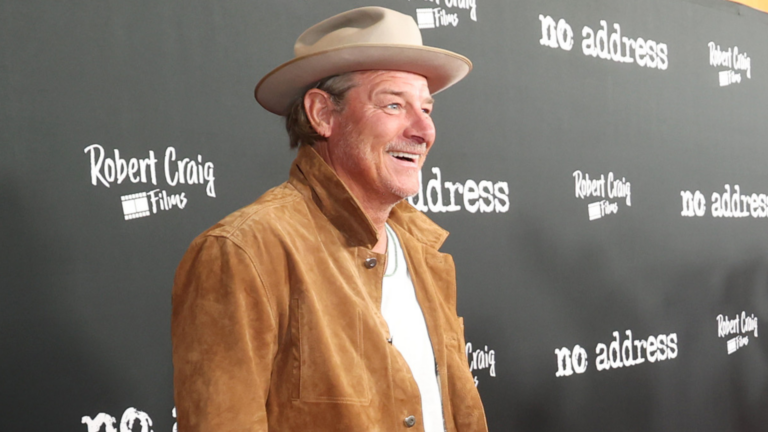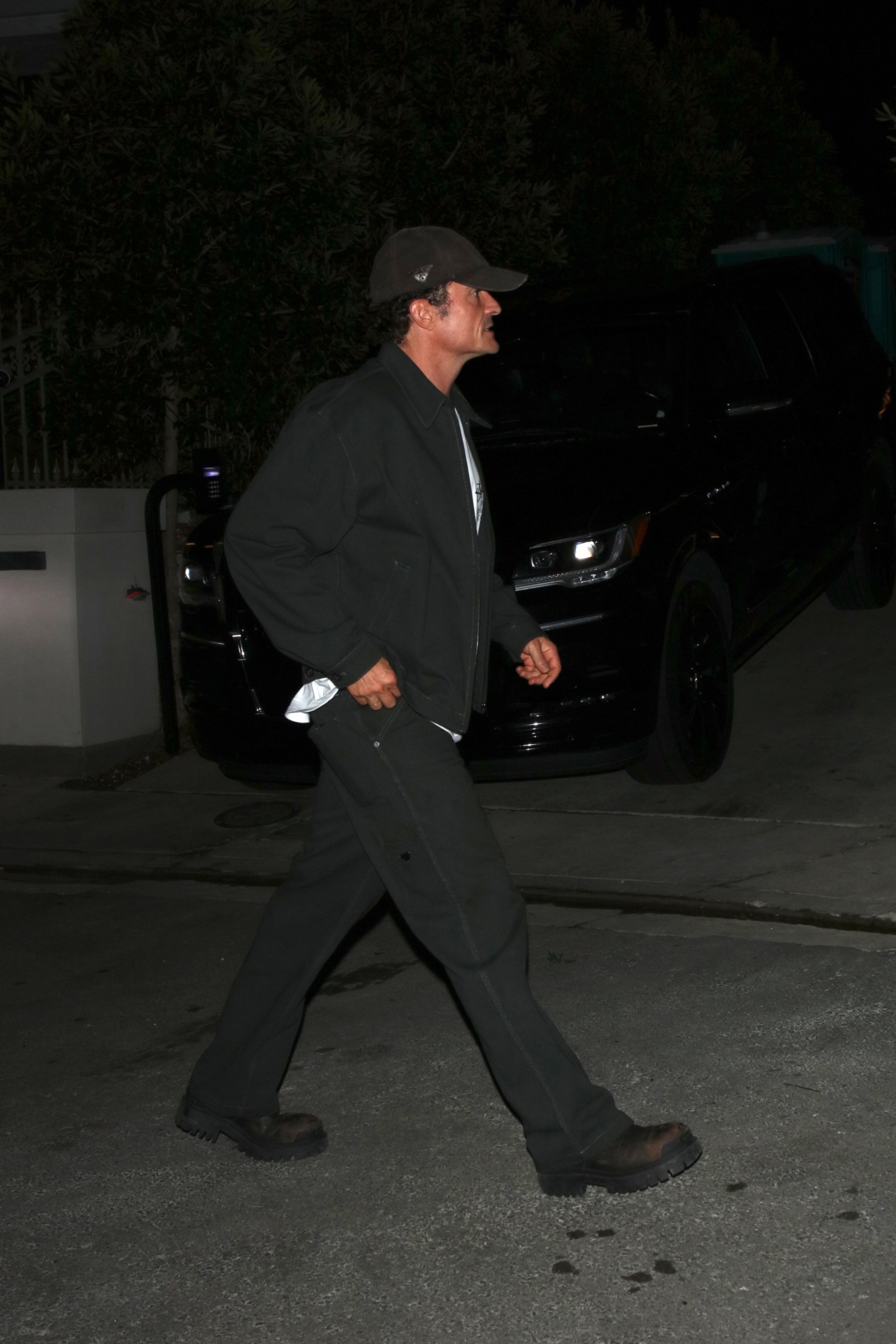
Leonardo DiCaprio’s 52 Bash Forces Orlando Bloom to Skip Charity
The roar of a packed bar and the clink of champagne glasses still echo from last Saturday’s celebration, a glittering night dedicated to Leonardo DiCaprio turning 52. In the midst of the revelry, Orlando Bloom, who had been slated to appear at a high‑profile kids’ charity event earlier that week, made the surprising decision to bow out. The choice caught many off‑guard, as the event was meant to raise funds for a local children's hospital in Los Angeles, drawing a roster of Hollywood’s most beloved faces. Bloom’s absence was a ripple in a carefully choreographed gathering, sending a wave of speculation through the industry and among fans alike.
Behind the curtain, the birthday bash was a private affair held at a secluded vineyard on the Westside, where the two actors, long‑time friends and co‑stars from a celebrated 2019 film, shared a quiet moment of reflection amid the swirl of guests. The night was not only a celebration of another year but also proof of the enduring camaraderie that has carried them through decades of Hollywood's shifting tides. When Bloom stepped away from the charity floor, it was clear that the celebration had eclipsed his philanthropic commitments for the time being. The ripple effect was swift, as organizers had to scramble to secure a replacement, and fans were left wondering what could have been.
The broader story, however, is not merely about a missed event; it is also about the creative ripple that extends into the silver screen. As the world turns its attention toward the upcoming sequel, “The Further Mis‑Adventures of Cliff Booth,” questions swirl about the absence of Leonardo DiCaprio, the actor who had co‑starred with Brad Pitt in the original. In an unexpected turn, Pitt himself has explained why DiCaprio’s cameo never materialized, shedding light on the intricate dance of production decisions, logistical constraints, and artistic vision.
Background & Context
When Quentin Tarantino’s 2019 hit “Once Upon a Time in Hollywood” captured audiences with its lush period detail and sharp wit, the chemistry between Brad Pitt’s Cliff Booth and Leonardo DiCaprio’s Rick Dalton seemed poised for an inevitable continuation. Fans imagined a reunion in a new chapter, a natural progression that would have felt almost inevitable. Yet the sequel, slated for release on November 25 in IMAX and for streaming on Netflix the following month, diverges from that expectation.
The film’s director, David Fincher, stepped in to helm the new project. Fincher, renowned for his meticulous craftsmanship, brought a fresh perspective that emphasized authenticity and restraint. In a candid interview during the Los Angeles premiere, Fincher hinted that the absence of DiCaprio was deliberate. He explained that the role would require extensive prosthetics to maintain the physical continuity of Rick Dalton’s character—a task that would demand weeks of preparation and an expensive prosthetic budget. He weighed the cost against the narrative payoff, concluding that the resources would be better allocated to the core storyline centered on Cliff Booth’s own journey.
Brad Pitt, meanwhile, offered his own perspective, noting that while a cameo would have been entertaining, the practicalities were too great. “It would have taken a couple of weeks prepping to get him,” Pitt recounted, underscoring the logistical heft of integrating a high-profile guest into a tight shooting schedule. He admitted that the idea had lingered for a while but ultimately fell apart as the production team considered the broader priorities of the film.
The narrative itself takes a lighter turn, as the new film openly jokes about why Booth is no longer Dalton’s stunt double, citing Dalton’s “fat” condition as a tongue‑in‑cheek nod to the original film’s satire. The script also pays homage to Rick Dalton in subtle ways—through a few well‑timed references that serve as a tribute to the character’s legacy without the need for a physical appearance. The decision to forego DiCaprio’s cameo is part of a larger trend in Hollywood, where studios balance fan expectations with the realities of budget constraints and creative vision.
What People Are Saying
Social media erupted as news of Bloom’s withdrawal spread. Twitter threads filled with speculations about whether the birthday bash had simply coincided with the charity event or whether deeper tensions existed between the actors. Fans on the platform expressed disappointment, with many voicing a sense of betrayal that a beloved actor would abandon a charitable cause for personal celebration. Others offered a more balanced view, acknowledging Bloom’s right to enjoy his friend’s milestone while encouraging him to return to his philanthropic commitments in the future.
In the realm of film critics and industry insiders, discussions leaned more toward the implications of DiCaprio’s absence from the sequel. The film’s marketing team responded with a statement that the decision was purely logistical, emphasizing that the storyline would stand on its own merits. Meanwhile, a group of film scholars noted that Fincher’s approach to character continuity—favoring a realistic portrayal over nostalgic callbacks—aligns with contemporary trends in period storytelling. Their analysis highlights the tension between audience nostalgia and a director’s commitment to authenticity.
Public reception of the birthday celebration itself was mixed. While many lauded the intimate setting and the sense of genuine friendship between the two actors, others took issue with the perceived extravagance of a 52‑year‑old star partying during a time when the industry and the world were grappling with various social concerns. Some fans felt the celebration should have been more modest, especially in light of the charitable cause that Bloom was set to support.
The release strategy for the new film also sparked conversation. Critics praised the dual approach—an IMAX release that promises cinematic immersion followed by a Netflix streaming option that offers accessibility to a broader audience. This strategy mirrors a growing trend in Hollywood to capitalize on both the big‑screen experience and the convenience of home viewing, ensuring that the film’s financial success does not rely solely on one distribution channel.
What Happens Next
Orlando Bloom has not yet released an official statement explaining the full rationale behind his decision. Rumors abound that he may reengage with the charity organization later in the year, possibly at a different event or through a remote appearance. The hospital’s fundraising team has reportedly reached out to his representatives, hoping to secure a post‑event donation or to arrange a video message that would still honor Bloom’s intended contribution. The public, however, remains eager to see a tangible gesture that counters the initial disappointment.
On the film front, “The Further Mis‑Adventures of Cliff Booth” is on schedule to premiere in late November, with a promotional campaign that promises to highlight Fincher’s directorial vision and the nuanced performances of the cast. Fans can anticipate a film that stays true to its roots while also offering fresh perspectives, and the decision to exclude DiCaprio’s cameo may allow the narrative to focus more intensely on the titular character’s arc. Critics will be watching closely to assess how well the film balances nostalgia with originality, and whether the choice will be seen as a triumph of creative integrity or a missed opportunity for fan service.
In the weeks ahead, the Hollywood community will continue to grapple with the complex interplay between celebrity personal lives, charitable obligations, and cinematic storytelling. Bloom’s choice to prioritize a personal celebration over a philanthropic engagement will serve as a case study in how public figures navigate competing priorities, while the film’s production decisions will underscore the practical realities of modern filmmaking. As the industry moves forward, audiences will likely look for a new benchmark—one where personal commitments, creative ambition, and social responsibility coexist in a balanced, respectful manner.
In the end, the echoes of Leonardo DiCaprio’s 52‑year‑old celebration will linger not only in the memories of the wine‑laced night but also in the ongoing dialogue about what it means to be a star in a world that constantly asks for both entertainment and empathy.
The Bottom Line
MyWorldPulse Editorial: Hollywood’s latest celebrity misstep reminds us that stars are more than glittering personas—they are public servants with a duty to the communities that elevate them. When Orlando Bloom chose a private vineyard over a $5M donation, he not only disappointed a charity but also sent a signal to fans: personal joy can trump communal responsibility. This decision forces us to question how the industry rewards—or punishes—celebrity philanthropy. The backlash, though fueled by outrage, is a necessary check on a culture that often glorifies excess at the expense of empathy. Moving forward, we must hold actors accountable, ensuring that personal celebrations never eclipse commitments to those in need. In a world where social media amplifies every action, the onus is on both individuals and studios to prioritize generosity alongside glamour. Our audience deserves transparency, and the industry must adapt by embedding philanthropic commitments into the fabric of celebrity life, not as optional extras but as core values.
Reference:
- Leonardo DiCaprio's Instagram Birthday Post
Read more celebrity news at MyWorldPulse.