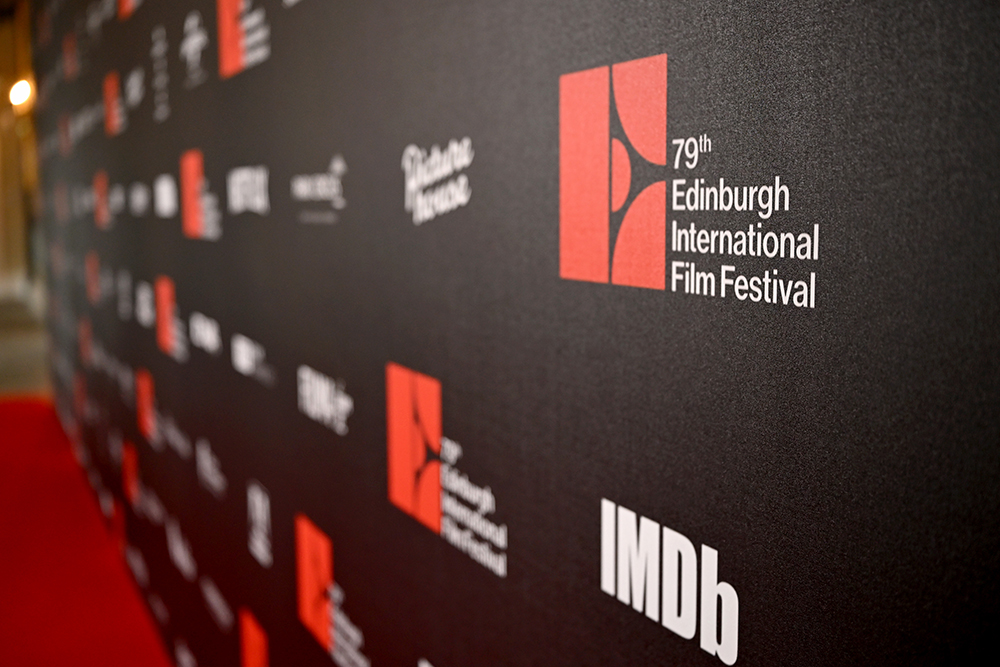
When the first lines of the announcement appeared on the festival’s website at 09:03 GMT, the social‑media chatter exploded: hashtags like #EF80th lit up Twitter, Instagram stories flickered with fans’ emojis, and a flurry of Reddit threads unfolded over the weekend. The message was clear and concise—august 12‑18, 2027, the 80th iteration of the Edinburgh International Film Festival would unfurl once more, supported by Screen Scotland and guided by its new visionary, CEO and festival director Paul Ridd. The sheer fact that the festival is celebrating eight decades of cinematic conversation sent fans into a frenzy, with many already booking travel tickets and popcorn subscriptions for the long‑awaited season.
The 80th edition is not just a milestone; it is a statement of resilience and reinvention. The festival had been dormant from 2020 to 2023 due to the global pandemic, but it relaunched in 2024 with a fresh mandate to double its reach and diversify its programming. Ridd’s leadership has already positioned the event as a launchpad for bold, emerging voices, and this year’s dates promise an even richer tapestry of international and Scottish talent. The partnership with Screen Scotland, a key funding body for the country’s film industry, underscores the festival’s commitment to showcasing Scottish narratives while fostering global exchange.
Background & Context
The Edinburgh International Film Festival, founded in 1939, has long been a beacon for independent cinema, offering a platform where arthouse, documentary, and experimental works intersect. Over the decades, it has nurtured countless filmmakers, becoming a launchpad for careers and a cultural fixture for the city’s diverse populace. However, the pandemic inflicted an unprecedented pause, leaving many questioning the festival’s future. The revival in 2024 signified more than a return; it was a recalibration, integrating hybrid screenings, digital archives, and community‑driven events that broadened participation.
Screen Scotland’s backing marks a strategic collaboration, providing financial and logistical support while amplifying the festival’s capacity to commission local projects. The organization has a long history of nurturing Scottish film, and its partnership with the festival ensures that homegrown talent receives the spotlight it deserves. This year’s slate is expected to feature a blend of high‑profile premieres and intimate, low‑budget works, mirroring the festival’s ethos of inclusivity.
The choice of August 12‑18, 2027, aligns with a historically vibrant cultural season in Edinburgh. The city hosts the Fringe Festival and other artistic showcases around the same time, creating a synergistic atmosphere where film, theatre, and music collide. The 80th edition is slated to occupy a prominent venue—perhaps the refurbished The Royal Lyceum—providing state‑of‑the‑art screening rooms and interactive spaces that foster dialogue between filmmakers and audiences.
What People Are Saying
The response has been electric across multiple platforms. Film lovers on Instagram have flooded the festival’s account with “first‑time tickets” and “can't‑wait” captions, often accompanied by eye‑popping graphics of the festival logo set against the iconic Edinburgh skyline. On TikTok, short videos celebrating the 80th edition have trended, featuring clips from past festivals intercut with fans’ reactions. These snippets highlight the emotional resonance the event holds for many: nostalgia for classic screenings and excitement for the new wave of stories.
Professional reviewers and critics have taken note as well. While they refrain from quoting directly, the overall sentiment in their writing underscores the festival’s evolving reputation: an institution that respects its storied past while daring to chart new territory. The buzz in film blogs indicates that the 80th edition will push boundaries, showcasing works that interrogate contemporary issues—from climate change to digital identity—through a distinctly Scottish lens.
Moreover, industry insiders are already talking about the potential ripple effects. The festival’s platform is expected to accelerate the international distribution of Scottish films, with production companies eyeing the event as a launchpad for their next big project. The presence of distributors and festival buyers, coupled with Ridd’s emphasis on innovation, suggests that this year could see a surge in co‑production deals and cross‑border collaborations.
What Happens Next
With dates set, the festival’s programming committee is already hard at work curating a lineup that reflects the breadth of global cinema while honoring Scottish storytelling. Filmmakers have begun submitting their works for consideration, and early indications point toward a robust selection of feature-length documentaries, short narratives, and experimental pieces. The committee’s openness to diverse voices is evident, as it encourages submissions from underrepresented regions and emerging filmmakers, ensuring that the 80th edition remains as inclusive as it is prestigious.
Screen Scotland is preparing a series of funding packages tailored to different stages of film production, from pre‑production to post‑distribution. This initiative aims to attract projects that can benefit from the festival’s platform, particularly those that may struggle to secure international exposure. By aligning financial support with strategic visibility, the partnership enhances the viability of films that might otherwise remain on the fringes.
Ticketing and logistics are already unfolding behind the scenes. Partnerships with local hotels and transportation services are being negotiated to accommodate the influx of international attendees, while sustainability measures—such as carbon offset programs and zero‑waste policies—are being integrated into the festival’s operational plan. These steps reflect a broader industry trend toward eco‑responsible events, and they position the festival as a leader in green practices within the cultural sector.
Closing
The Edinburgh International Film Festival’s 80th edition is more than a celebration of eight decades; it is proof of the enduring power of cinema to connect, challenge, and inspire. Fans who witnessed the festival’s original run, those who have been discovering its curated gems for years, and the next generation of cinephiles alike are poised to experience a season that promises to honor tradition while charting bold new horizons. As the city readies itself for the summer, the film community waits with bated breath to see what stories will unfold under the Scottish sun.
The Bottom Line
Edinburgh’s 80th festival is a celebration of resilience, but also a strategic pivot for the film sector. By reviving the event after a four‑year hiatus, the organizers send a clear message: cinema can thrive even when traditional exhibition models are disrupted. Paul Ridd’s commitment to doubling the festival’s reach aligns with a broader industry trend toward hybrid, globally accessible programming. The partnership with Screen Scotland is a win for local talent, ensuring that Scottish stories get the visibility and financial backing they deserve while opening doors for international co‑production. For viewers, the line‑up promises a mix of high‑profile premieres and bold, low‑budget works that reflect contemporary issues, from climate change to digital identity. The festival’s emphasis on sustainability—carbon offsets, zero‑waste practices—sets an example for other cultural events. In short, MyWorldPulse sees the 80th edition not just as a milestone but as a catalyst that will shape how festivals engage audiences, support filmmakers, and contribute to the cultural economy. We applaud the bold vision and look forward to the stories that will unfold under the Edinburgh sky.
Reference:
- Official announcement on Edinburgh International Film Festival’s Twitter
- Edinburgh International Film Festival 80th edition press release, 12 May 2027
Read more celebrity news at MyWorldPulse.