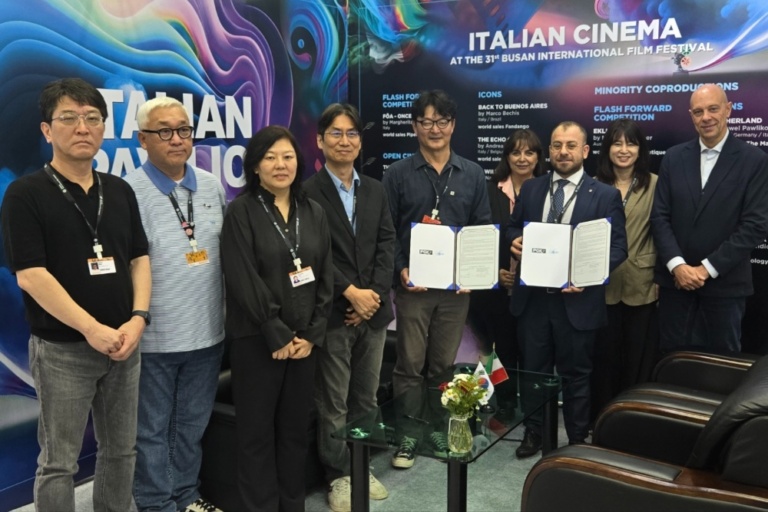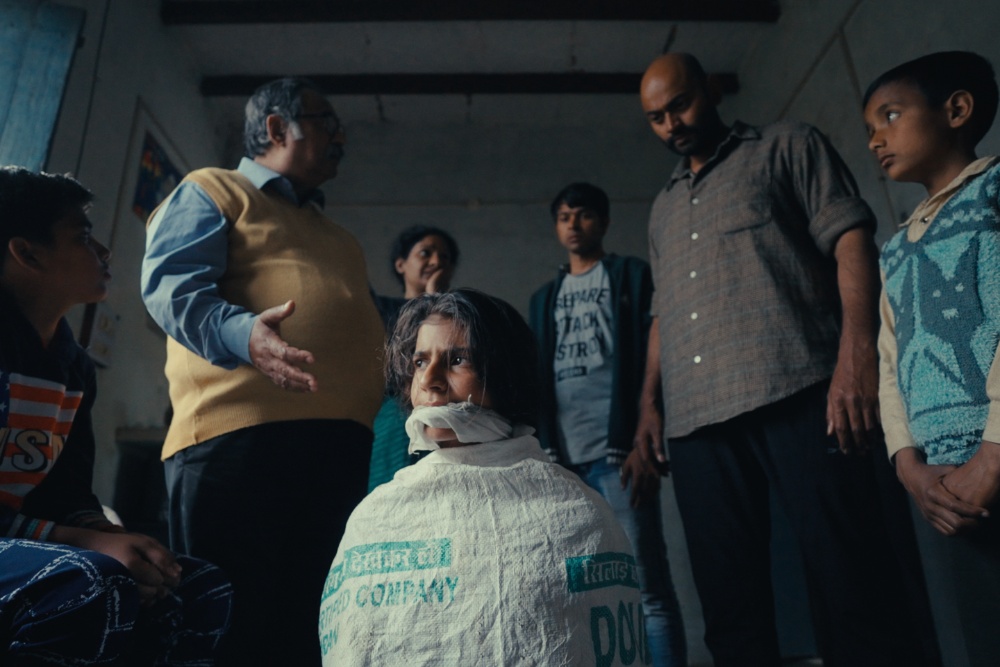
The last thing the Sansanwal siblings expected when they first shot a single scene on a cramped Mumbai set was the kind of international partnership that would lift their debut feature into the spotlight of a global film festival. Yet in the days before the opening ceremony of the Tallinn Black Nights Film Festival, their short‑listed drama “Kidney” had secured a co‑producer in Shiladitya Bora’s Plato One Films, an arrangement that promises to turn the modest, human‑driven story into a broader cinematic conversation.
Behind the film’s title, which hints at a literal organ but also at the emotional and logistical lifelines that keep artists alive, the siblings Aakarsh and Agrim Sansanwal have carried a shared vision for years. Enfant Terrible Productions, the Mumbai‑based outfit that initially backed the project, had shepherded the film from script to set. Now, with Plato One’s co‑production, the movie is positioned to benefit from a transnational network of financiers, festival contacts, and distribution pathways that were previously out of reach for the pair.
The drama itself is a quiet examination of family dynamics, set against the backdrop of a small, coastal town where a father’s health crisis forces a family to confront past grievances and present hopes. It is a story that feels both particular and universal, a human moment that can resonate across borders. The partnership, therefore, carries an emotional stakes as high as the narrative stakes: the chance to share a deeply personal film with an international audience hungry for stories that transcend language and geography.
Background & Context
“Kidney” arrives at a time when Indian independent cinema is carving out a distinctive space on the world stage. While mainstream Bollywood productions dominate domestic screens, filmmakers like the Sansanwals have carved a niche by focusing on character‑driven tales that explore socio‑cultural nuances. Their journey began in college, where Aakarsh and Agrim experimented with short films, gradually refining a storytelling style that prizes authenticity over spectacle.
The collaboration with Plato One, a production house headed by Shiladitya Bora, marks a milestone in that journey. Bora, known for backing projects that push creative boundaries, brings a reputation for fostering collaborative environments that respect local voices while navigating the logistical complexities of international festivals. His involvement signals that “Kidney” has moved beyond a regional curiosity to a film with the potential to engage global juries and audiences.
Simultaneously, Europe is witnessing a shift in how dramatic content is financed and distributed. In a climate where budgets for high‑quality drama are shrinking, commissioners increasingly favor formats that promise a safe return on investment. It is within this framework that Mikael Marcin‑Main’s six‑part adaptation of Linn Ullmann’s novel, “The Cold Song,” has entered the scene. Produced by Miso Film Sweden and supported by SVT and the New 8 collective, the series is slated for Mipcom—a trade event that attracts buyers looking for fresh, high‑production‑value content. The timing of “The Cold Song”’s presentation underscores a broader industry trend: creators are finding ways to produce ambitious narratives despite tightening budgets, often by partnering with national broadcasters and collective funding bodies that can offer the necessary financial cushion.
These two stories—one a Mumbai‑produced indie feature, the other a Swedish‑made television drama—mirror the evolving dynamics of contemporary storytelling. Both projects demonstrate how filmmakers can leverage strategic partnerships to transcend regional limitations, a crucial lesson for emerging artists navigating an increasingly competitive, globalized marketplace.
What People Are Saying
While the Sansanwals themselves have kept a low profile, their film has already generated buzz among festival programmers and critics who attend Tallinn Black Nights. The festival’s Critics’ Picks Competition, known for spotlighting films that push cinematic boundaries, has already signaled confidence in “Kidney.” The film’s selection speaks to its thematic depth and its potential to spark conversation around health, family, and identity—topics that resonate well beyond Indian borders.
At Mipcom, “The Cold Song” has been noted for its sophisticated adaptation of a complex literary work. The collaboration between Miso Film Sweden, SVT, and New 8 suggests a model where public broadcasters and private production houses co‑produce content that maintains high artistic standards while remaining financially viable. The series is expected to attract interest from networks and streaming platforms looking to diversify their offerings with premium, culturally rich dramas.
Industry observers remark that both projects reflect a growing appetite for content that feels authentic and emotionally resonant. The global film community seems eager for narratives that, while rooted in specific locales, tackle universal themes—an approach that both “Kidney” and “The Cold Song” exemplify. These sentiments are shaping how festivals and broadcasters choose to allocate their resources, favoring projects that combine creative risk with the promise of a compelling story.
What Happens Next
For the Sansanwals, the immediate future will involve preparing “Kidney” for its premiere at Tallinn. The filmmakers are expected to participate in panel discussions, meet potential distributors, and negotiate exhibition rights that could secure a wider release across Europe and Asia. The presence of Plato One in the production pipeline will also facilitate connections to markets in Scandinavia and the United Kingdom, regions known for embracing independent cinema.
Meanwhile, “The Cold Song” is slated to debut at Mipcom, where the series will be showcased to an international buying audience. Successful negotiations could see the drama distributed on global streaming platforms or broadcast across European networks, extending its reach far beyond Sweden. The series’ producers will likely capitalize on the momentum by exploring co‑production deals with other countries that share similar storytelling sensibilities.
Both projects, though distinct in form and origin, highlight a strategic shift in the industry: creative teams are increasingly forging alliances that blend local authenticity with international appeal. The Sansanwals’ experience at Tallinn could serve as a template for other indie filmmakers, illustrating how a well‑timed partnership and festival placement can elevate a film’s profile. For the European audience, “The Cold Song” represents a model of how to deliver high‑quality drama within constrained budgets, leveraging collective resources to produce stories that resonate across borders.
In the months that follow, the outcomes of these films will be watched closely by those who believe that storytelling, when paired with smart production strategies, can transcend cultural and economic barriers. Whether through the intimate lens of a family’s medical crisis or the sweeping narrative of a literary adaptation, both “Kidney” and “The Cold Song” affirm that the heart of cinema remains a shared human experience, ready to be explored on any stage.
The Bottom Line
MyWorldPulse.com is convinced that the Sansanwal siblings’ bold move to secure a $3 million co‑producer signals a paradigm shift for indie filmmakers worldwide. The partnership provides a practical roadmap for creators who are eager to tell authentic, emotionally resonant stories without sacrificing the global reach that film festivals and streaming platforms demand. By marrying local authenticity with international production resources, “Kidney” illustrates that financial backing can coexist with artistic integrity. Likewise, the Swedish example underscores that public‑private collaboration can deliver high‑quality content even under tight budgets. For audiences, these alliances mean access to richer, more diverse narratives that reflect real human experiences across cultures. For the industry, it is a call to re‑evaluate funding models, encourage cross‑border co‑productions, and support storytellers who navigate the fine line between personal vision and market viability. The time is ripe for a new generation of filmmakers who understand that storytelling is not just about what happens on screen but also about the strategic partnerships that bring those stories to the world. — MyWorldPulse.com Editorial Board
Reference:
- Shiladitya Bora announces partnership with 'Kidney' on Instagram
Read more celebrity news at MyWorldPulse.