In a recent interview, Chrishell Stause, the former housewife turned reality star, flat‑out declared she would no longer tune in to the tenth season of Selling Sunset. Yet she insisted that her legal team would keep an eye on the proceedings. The announcement came amid swirling rumors about her strained relationship with the production company and her growing frustration with the way her story had been portrayed on screen.
Stause’s candid remarks hit a nerve. Since her debut in 2015, she has been a staple of the Los Angeles‑based series, known for her candid commentary and her charismatic presence. The show, which has racked up millions of viewers worldwide, follows a group of real‑estate agents as they navigate the high‑stakes market of the Sunset Strip. Her decision to step back from watching, while letting her lawyers stay in the loop, signals a deeper battle over how the narrative of her life is being curated.
The reality‑TV world has never been immune to the clash between star power and corporate control. Contracts often grant production companies the right to edit footage, shape storylines, and even influence the personal choices of their cast. Stause’s move—announcing that she will not watch while her lawyers will—is a bold assertion of agency that could set a new precedent for other reality stars who feel their on‑screen personas are being manipulated.
Background & Context
The drama surrounding Chrishell Stause is rooted in a history of creative differences that began after the success of Selling Sunset’s first seven seasons. While the show has been a hit, the producers have faced criticism for editing out scenes that they felt might be too controversial or unflattering. Stause, a former social‑media influencer, has always been sensitive to her public image and has expressed concern that the series sometimes strays from the reality of her experiences.
The contractual landscape for reality‑TV participants is notoriously complex. Participants often sign agreements that grant producers the right to edit footage to fit a particular narrative arc. These agreements can limit a star’s control over how they are portrayed, leaving them at the mercy of the show’s producers. In Stause’s case, her public statements suggest that she feels the network’s version of her story no longer aligns with her own reality. Her lawyers’ involvement hints at a potential legal pushback to preserve her reputation.
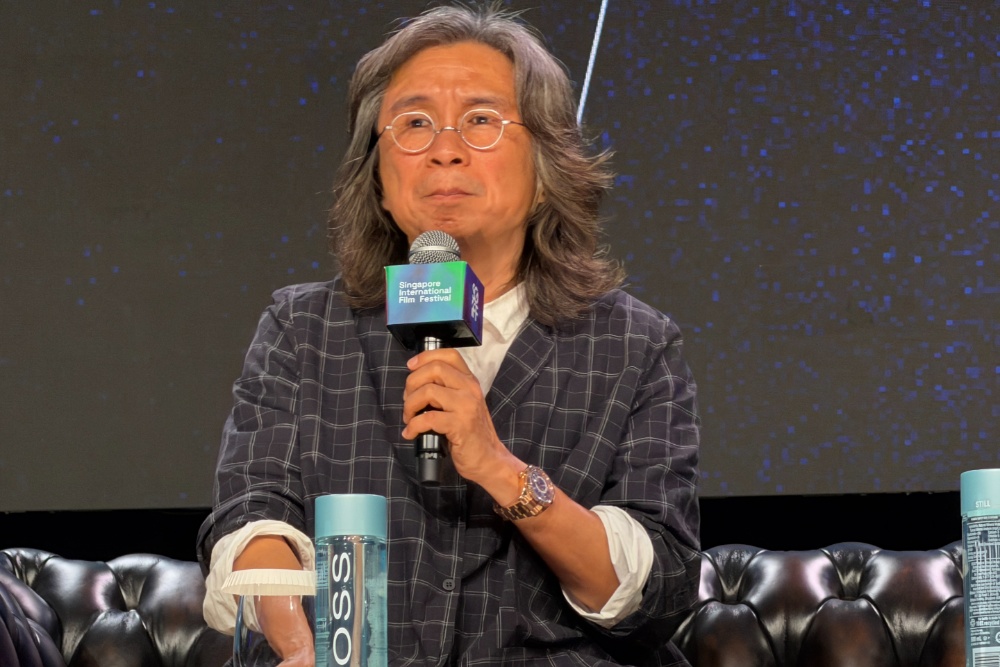
Around the same time, the entertainment industry has been grappling with the rise of technology in filmmaking. In a different segment of the business, acclaimed Asian filmmaker Peter Chan has been vocal about the future of feature films. Chan, who helmed Comrades: Almost a Love Story and The Warlords, has expressed that while he is open to integrating modern tools into his creative process, he remains wary of fully automated or computer‑generated narratives. His stance highlights a broader debate: while technology offers new storytelling possibilities, many creators still cherish the human touch in filmmaking. For Stause, the conversation about maintaining authenticity in a media‑heavy landscape resonates deeply.
What People Are Saying
Audience reactions to Stause’s announcement have been mixed. Many viewers on social media have taken to expressing solidarity with the former star, voicing concerns that the show’s producers have repeatedly edited her moments in ways that could be seen as negative or misleading. A popular online forum erupted with comments praising her courage to speak out. Meanwhile, another thread was devoted to speculation about how the network might respond, with some users predicting that the producers could counter her claims with a statement of their own.
In contrast, some industry observers view Stause’s position through a different lens. A commentator on a prominent podcast discussed her move as a strategic play. The guest highlighted that Stause’s decision to remain invisible on the show’s platform—yet have her attorneys monitor it—could be a tactical move to gather evidence should she choose to pursue legal action. The conversation also touched upon how reality‑TV stars navigate the balance between public visibility and protecting their personal narratives.
Peter Chan’s remarks about preserving feature‑film integrity add another layer to the conversation. In a recent interview, Chan stated that while new technologies could aid storytelling, the essence of cinema lies in the human touch and the collaborative craft of filmmaking. His perspective underscores the importance of authenticity—a sentiment that aligns with Stause’s own stance against perceived misrepresentation. In the broader context, the industry is seeing a renewed emphasis on transparency and genuine storytelling, whether through film or reality television.
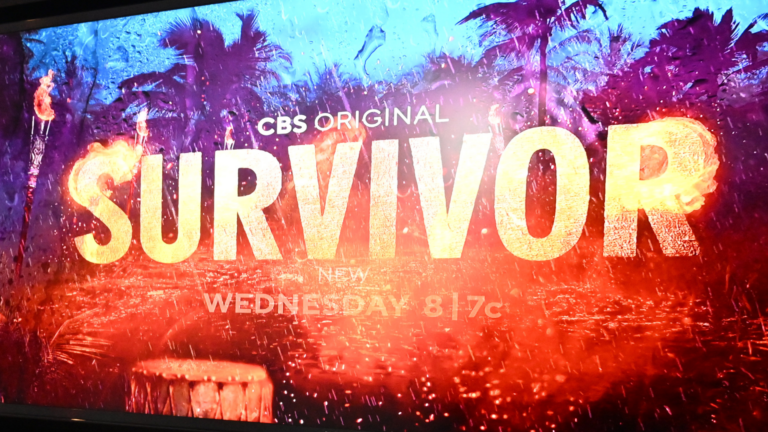
The trust‑testing strategies employed by reality‑TV contestants provide another interesting angle. In Survivor 51, contestant Alexis Levine described an unconventional method of testing loyalty using a fellow player’s shoes. The move, which seemed trivial on the surface, served as a unique way to gauge trust without relying on traditional promises. This anecdote illustrates how individuals in high‑stakes environments, whether a competitive game show or the reality‑TV world, constantly devise creative ways to assert control over their narrative and relationships.
What Happens Next
The next step for Stause—and the Selling Sunset production team—remains unclear. With her lawyers monitoring the forthcoming season, it is possible that she is preparing to file a claim if the show continues to portray her in a way she deems defamatory. Her public statement, which included a warning to “not defame me,” signals that she is prepared to take a firm stand. If a legal confrontation ensues, it could force the producers to reassess their editorial practices, potentially sparking a ripple effect across reality‑TV contracts.
For the network, the challenge will be to balance creative control with maintaining a fair, honest representation of its cast. A potential lawsuit could bring regulatory scrutiny to the industry, prompting a shift toward clearer guidelines regarding the portrayal of reality‑TV personalities. This could lead to more transparent contractual clauses and a re‑evaluation of how footage is edited and presented.
On a broader scale, Peter Chan’s emphasis on preserving the human element in filmmaking may inspire other creators to seek a middle ground between technology and authenticity. The intersection of Stause’s legal battle and Chan’s perspective could serve as a catalyst for a renewed focus on truth in storytelling across all media platforms.
In the immediate future, viewers of Selling Sunset will have to wait to see whether Stause’s decision to step back from watching will affect the show’s dynamic. Behind the scenes, a legal and cultural debate is likely unfolding—one that could redefine how reality stars engage with their narratives and how production companies approach the delicate balance between entertainment and authenticity.
The unfolding story underscores a fundamental tension in modern media: the struggle for personal narrative control in an age where editing, technology, and audience expectations intersect. Whether Stause’s lawyers find grounds for a lawsuit or the production team chooses to adjust their approach, the outcome will likely reverberate throughout the reality‑TV landscape and beyond.
The Bottom Line
MyWorldPulse sees Chrishell Stause’s bold move as a wake‑up call for the entire reality‑TV industry. By telling fans she won’t watch Season 10 and letting her lawyers keep a watchful eye, she flips the script on a medium that has long prized dramatized storytelling over factual accuracy. This isn’t just a personal crusade; it’s a challenge to producers who routinely edit out uncomfortable moments or spin narratives that favor ratings. The industry must reckon with the fact that audiences are increasingly skeptical of staged authenticity, and the backlash against misrepresentation can damage brand trust. If production companies continue to disregard the legal and ethical implications of editing real people’s lives, they risk losing both talent and viewer loyalty. Stause’s stance forces studios to reconsider how they structure contracts, perhaps incorporating clearer clauses that allow cast members to review key scenes or to veto defaming content. In doing so, they could preserve the star power that draws audiences while fostering a culture of accountability. For fans, the outcome will signal whether the reality‑TV format can evolve to respect the very stories it showcases. MyWorldPulse believes this could mark the start of a new era where authenticity isn’t optional but obligatory. —MyWorldPulse
Reference:
- Chrishell Stause's Instagram post
Read more celebrity news at MyWorldPulse.