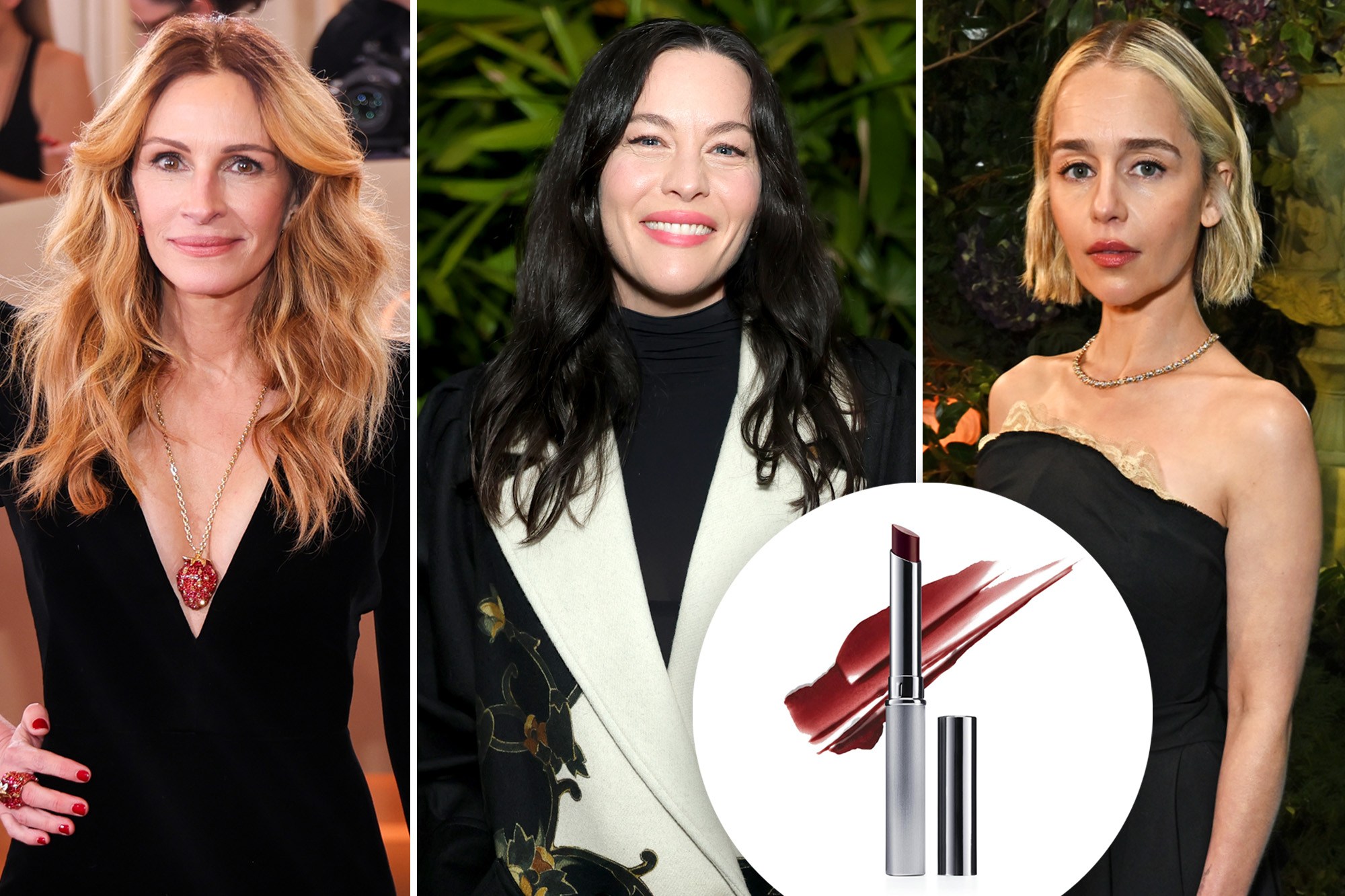
The frenzy that erupted across beauty counters, kitchen aisles, movie theaters and wireless towers on the hottest shopping day of the year has sent shockwaves through every corner of consumer culture. A single Black Friday weekend that delivered a 30 percent discount on Clinique’s coveted Black Honey lip kit, a 50 percent slash on Gordon Ramsay‑backed HexClad’s hybrid pans, an unexpected $22.5 million box‑office haul for Lionsgate’s latest dystopian flick, and a free Apple‑iPhone 18 Pro bundle from T‑Mobile, shows that the holiday is now a multi‑industry battleground. Industry analysts predict that the ripple effects will reshape pricing strategies, loyalty programs and even production budgets for the coming year.
Retailers have long counted on the “day after Thanksgiving” to drive foot traffic and clear inventory. What’s different this year is the scale and precision of the offers. A beauty brand that traditionally relies on subtle, seasonal promotions opened its doors with a 30 percent off Black Honey lipstick, instantly turning the shade into a trending color on social media feeds. Meanwhile, the kitchen division leveraged a celebrity‑chef partnership, dropping HexClad’s premium cookware lineup by over half its usual retail price. In a move that surprised box‑office insiders, Lionsgate’s newest film in the “Hunger Games” universe pulled in $22.5 million during the five‑day Thanksgiving frame—exceeding expectations for a franchise reboot that had faced fierce competition. And T‑Mobile’s Cyber Week push—though not exclusive to Black Friday—offered a bundled package that included an iPhone 18 Pro, an iPad and an Apple Watch, all for free, if the customer signed a new plan. The convergence of these offers signals a shift toward high‑value, cross‑category incentives that keep consumers coming back.
The industry impact is profound. For beauty, the move suggests a willingness to move beyond incremental loyalty discounts to deep, time‑sensitive cuts that can drive trial and immediate sales. In kitchenware, the partnership with a globally recognized chef has turned a product line from niche to mainstream, proving that celebrity endorsement can justify a dramatic price shift. Hollywood, seeing that a franchise can outpace its competitors in a crowded holiday schedule, may revisit release strategies, balancing premium openings with strong domestic pulls. Telecom, by bundling high‑end hardware for free, signals a new era of value‑add service packages that could pressure rivals to rethink how they structure deals. The convergence of these elements paints a picture of an industry where brand loyalty, price aggression, and cross‑platform collaboration collide, setting a new benchmark for what Black Friday promises.
Background & Context
Black Friday’s origins date back to the post‑World War II era, when retailers in Philadelphia began offering discounted goods to celebrate the beginning of the holiday shopping season. Over decades, the day evolved into a retail leviathan, with supermarkets, electronics, and e‑commerce platforms all lining up to attract shoppers. The 2023 holiday season, however, has stretched the concept far beyond its traditional boundaries, integrating entertainment, technology and even culinary gear into the consumer experience.
In the beauty sector, Clinique’s Black Honey lipstick had already established a loyal fan base for its “stuck‑on” formula and natural‑looking finish. The brand’s decision to slash prices by 30 percent was a calculated risk to boost sales volume and stimulate social media buzz. By offering a substantial discount on a high‑margin item, Clinique aimed to increase foot traffic in stores and strengthen brand recall among younger shoppers who often use beauty products as a form of self‑expression during the holiday season.
The kitchenware segment saw an even more dramatic shift. HexClad, a relatively new hybrid cookware brand that claims to combine the non‑stick benefits of traditional pans with the durability of stainless steel, was co‑owned by the culinary titan Gordon Ramsay. Known for his fiery personality and commitment to quality, Ramsay’s endorsement has already built an international fan base. The brand’s over‑50 percent discount, announced on the same day as the Black Honey offer, is the steepest price cut in its history. This move, which positioned the pans at a price point normally reserved for mid‑range cookware, was aimed at reaching a broader audience and stimulating quick sales during the high‑traffic period.
The film industry also felt the pull of Black Friday. Lionsgate’s “Hunger Games: Sunrise on the Reaping,” a sequel in a franchise that has dominated box‑office charts for a decade, grossed $22.5 million over the Thanksgiving weekend. This figure surpassed the opening revenue of Lionsgate’s previous release, “Focker‑in‑Law,” and even outpaced Disney’s pricey animated feature “Hexed.” The film’s success can be attributed to a strategic release date that capitalized on the holiday audience’s penchant for family‑friendly entertainment, as well as an effective marketing campaign that leveraged social media and influencer partnerships to generate buzz.
Finally, the telecommunications arena offered one of the most disruptive deals of the holiday. T‑Mobile announced a free bundle comprising the new iPhone 18 Pro, an iPad and an Apple Watch, available to customers who signed up for a new data plan during the Cyber Week period. The offer, which also included an extended warranty and zero activation fees, was marketed as an all‑in‑one solution for consumers looking to upgrade their technology ecosystem. By coupling hardware with a service plan, T‑Mobile positioned itself as a one‑stop shop for tech-savvy shoppers, reinforcing the trend toward bundled services that provide tangible value.
Collectively, these events illustrate a new Black Friday paradigm. Rather than a single category’s bargain, the holiday has become a synchronized showcase where brands across multiple industries collaborate, sometimes directly, sometimes through shared timing, to deliver high‑impact promotions. The cross‑industry nature of the deals highlights a shift toward a more holistic consumer experience, wherein a single day can influence purchases ranging from cosmetic items to premium kitchen appliances, cinematic experiences and even cellular service packages.
What People Are Saying
Consumers responded to the offers with a mixture of excitement and caution. Social media platforms were awash with short videos and screenshots of the Clinique Black Honey lipstick, people comparing the new shade to their go‑to palettes. Many users noted that the 30 percent discount made the lipstick a "no‑brainer" purchase, especially when combined with other beauty items on sale. Some fans also highlighted that the lower price point had opened up the product to those who previously found it too expensive, thereby expanding the brand’s customer base.
On the culinary front, HexClad’s deep discount triggered a wave of user‑generated content. Home cooks posted videos of themselves testing the pans’ durability, with many praising the brand’s “non‑stick” reputation and the new price’s accessibility. Gordon Ramsay himself took to his own social media feeds to endorse the sale, describing it as a “must‑have” for anyone serious about cooking. The celebrity’s presence added credibility and amplified the buzz, drawing attention from fans who might not have considered premium cookware otherwise.
The cinematic community, meanwhile, saw the $22.5 million haul as a validation of the franchise’s enduring appeal. Film critics and fans dissected the film’s performance in comparison to Lionsgate’s past releases, noting that the combination of a strong opening weekend and strategic release timing had created a perfect storm for success. The conversation also extended to the impact of streaming services, with some commentators suggesting that the robust box‑office numbers indicate a continuing appetite for theatrical releases during the holiday season, even as more titles pivot toward digital platforms.
Tech enthusiasts took note of T‑Mobile’s bundle, particularly the free iPhone 18 Pro, which is rumored to launch with cutting‑edge features such as a 120 Hz ProMotion display and a 200 MP sensor. Many users praised the opportunity to upgrade their entire Apple ecosystem without incurring upfront costs, while others weighed the trade‑off of committing to a new service plan. The free bundle sparked discussions on forums about the value proposition, with some users suggesting that the deal’s appeal would be strongest among first‑time iPhone buyers or those looking to upgrade from older models.
Across the board, the consensus was that the promotions had successfully blurred the lines between distinct product categories. Shoppers reported that the simultaneous availability of high‑profile deals across beauty, kitchenware, cinema and technology had made Black Friday feel like a one‑stop shopping spree, rather than a fragmented series of sales. This synergy, commentators say, could redefine consumer expectations for future holidays, creating pressure on brands to coordinate timing and messaging in order to remain competitive.
What Happens Next
The immediate fallout from this Black Friday will manifest in several ways. For beauty brands, the success of Clinique’s 30 percent discount is likely to prompt a reassessment of pricing models during peak seasons. Retailers may begin to experiment with deeper discounts on high‑margin items, using data from the weekend’s sales to forecast inventory needs and promotional timing. This could, in turn, influence how beauty companies approach launch cycles for new products, potentially compressing the timeline between product development and market entry.
The kitchenware sector, buoyed by HexClad’s successful price drop, may see other premium cookware manufacturers adopt similar tactics. With Gordon Ramsay’s endorsement proving the value of celebrity partnerships, we may witness an uptick in co‑branding initiatives, especially those that combine a well‑known personality with a high‑quality product line. The partnership’s impact on sales volume may also force competitors to revisit their own price structures and marketing strategies, leading to an overall tightening of the market.
Hollywood will undoubtedly pay close attention to Lionsgate’s box‑office results. The $22.5 million revenue for “Hunger Games: Sunrise on the Reaping” validates a strategy that pairs an established franchise with a holiday release window. This may encourage other studios to consider similar release calendars, especially for mid‑budget films that rely on family‑friendly appeal. In addition, the data could influence the budgeting process for sequels and spin‑offs, potentially allocating larger marketing budgets to pre‑holiday promotion.
Telecom carriers, spurred by the success of T‑Mobile’s free bundle, might accelerate the rollout of similar high‑value offers. The combination of free premium hardware with a new service plan could become a staple of carrier promotions, prompting competitors to develop more enticing bundles or introduce loyalty incentives to prevent churn. Furthermore, the offer’s structure may signal a shift toward a more service‑centric revenue model, where hardware becomes a loss leader to drive long‑term subscription income.
In the longer term, the confluence of these events could reshape consumer expectations. With each industry proving that it can deliver massive value on a single day, shoppers may increasingly view Black Friday as a comprehensive shopping experience that spans lifestyle, entertainment, technology and beyond. Brands will need to respond by aligning their seasonal campaigns, cross‑promoting products across categories, and leveraging partnerships that extend beyond traditional advertising. Retailers might also invest in data analytics to track real‑time sales and adjust pricing or inventory on the fly, thereby maximizing revenue and minimizing waste.
The ripple effects could also influence supply chains. Manufacturers may need to increase production capacity ahead of holiday peaks, while distributors and retailers may refine logistics to ensure timely delivery. As consumer demand becomes more synchronized across categories, the risk of stockouts may grow, prompting firms to develop more agile inventory management practices.
Ultimately, this Black Friday has demonstrated that a well‑timed, cross‑industry promotional strategy can produce outsized results. Whether it is a lipstick, a skillet, a blockbuster movie or a smartphone, the lesson is clear: consumers appreciate value that is bundled, accessible and credible. The coming months will reveal whether brands can maintain that momentum and whether Black Friday will continue to evolve into a unified, industry‑wide spectacle.
The holiday season’s legacy will be measured not just in dollars, but in how it reshapes the landscape of consumer culture—pushing every sector to rethink its approach to pricing, partnership, and customer engagement. As the dust settles, one thing is certain: the stakes are higher than ever, and the next Black Friday could be even more transformative.
The Bottom Line
MyWorldPulse.com argues that Black Friday is no longer a single‑category spectacle; it has evolved into a cross‑industry festival where brands fuse aggressive pricing, celebrity influence, and bundled value to capture a shared audience. This holistic approach delivers instant gratification while building long‑term loyalty, but it also demands unprecedented coordination and real‑time analytics. Retailers who can sync their campaigns with partners—be it a cosmetics line that drops a lipstick to the same price as a cookware brand’s flagship pan—stand to reap massive sales and brand equity gains. Consumers, meanwhile, are learning to equate Black Friday with an immersive shopping spree that spans beauty, kitchenware, entertainment, and tech. If brands fail to adapt, they risk being sidelined by those who recognize the power of the “bundle moment.” Thus, this weekend is a watershed, highlighting that the future of holiday retail lies in cross‑category collaboration and data‑powered precision.
Reference:
- Official press release from Clinique announcing 30% Black Honey discount
- Official post on HexClad's verified Instagram account showing $129 price
Read more celebrity news at MyWorldPulse.