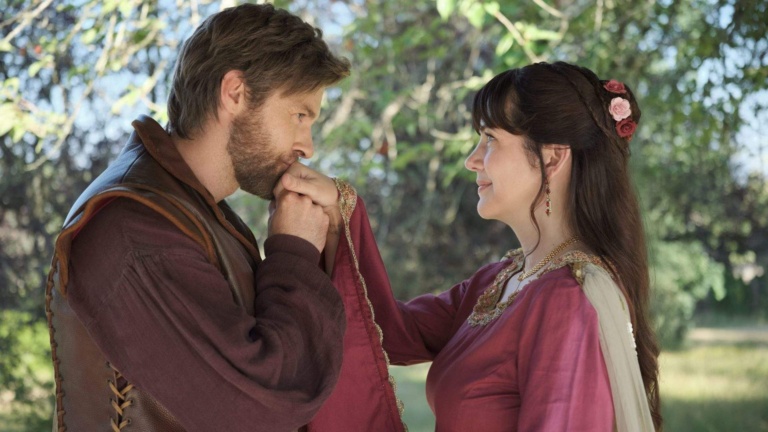
When the former child star spoke on “Good Morning America” on October 12, he didn’t just drop a headline; he released a raw confession that rocked the fans of the once-beloved TLC show. “Simply put, my whole life that I lived was a lie,” he said, the words echoing the hollow emptiness that had been hidden behind the glossy façade of Jon & Kate Plus 8. At 22, Collin Gosselin is not just a name on a book cover—he is a living testament to the unseen costs of reality television.
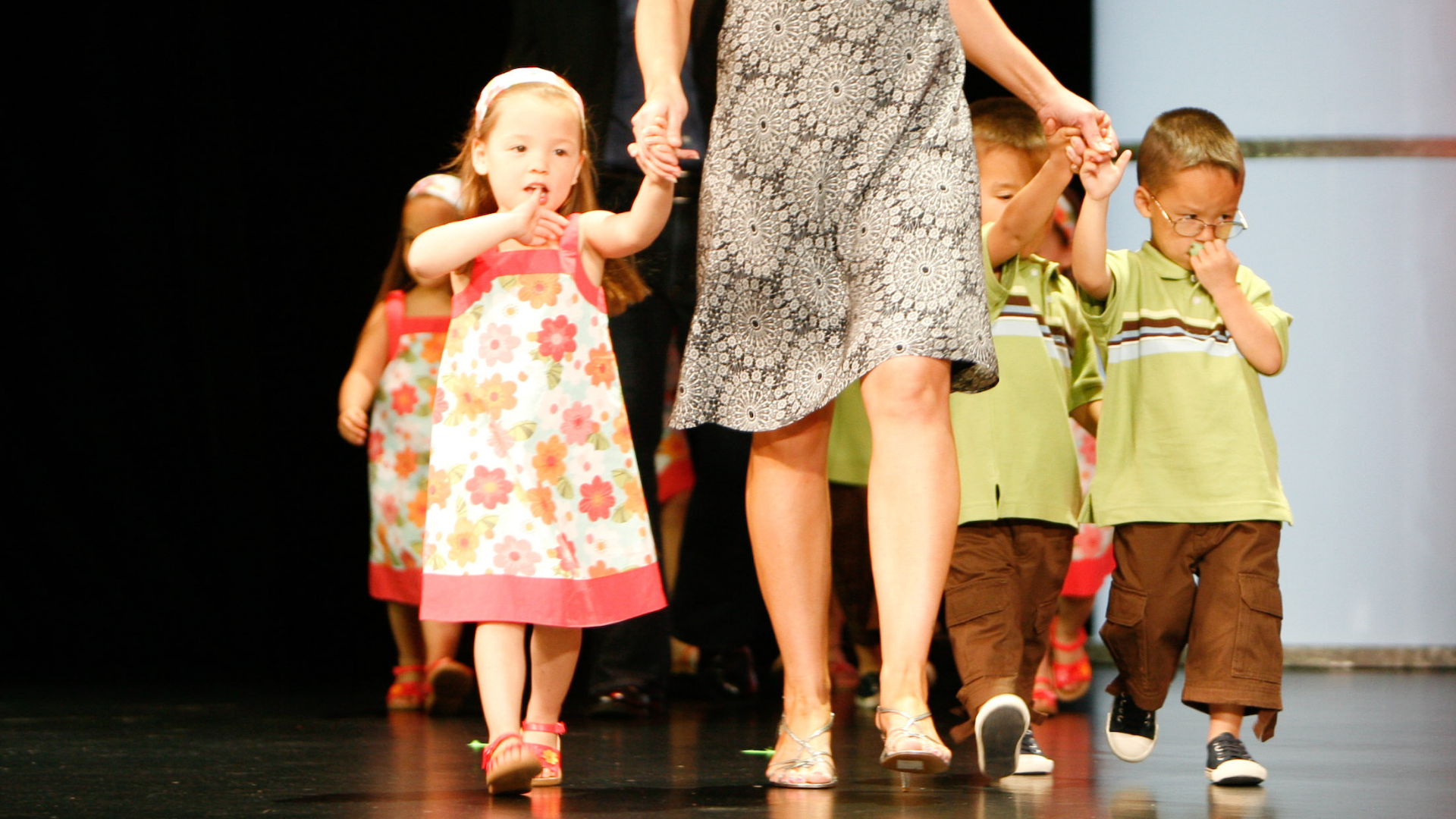
The family’s rise began when Collin was a toddler. As the world watched eight children and their parents navigate drama, the show promised a “crazy life, but it’s our life.” While the camera captured moments of laughter, the off‑screen reality was far darker. Collin’s revelations come at a time when audiences are demanding greater transparency from the entertainment industry, and his story adds a new, chilling layer to the conversation about child exploitation on prime‑time TV.
For many viewers, the shock comes not only from the abuse allegations but from the fact that the same family earned up to $22,500 per episode during their peak. That figure, which once symbolized success and wealth, now feels like a chilling reminder of how profit can eclipse human dignity.
Background & Context
Jon & Kate Plus 8 debuted on TLC in 2005, turning a suburban family into a household name. The Gosselin children, including Collin, grew up in front of millions, their lives chronicled from school days to family feuds. The show’s tagline—“It might be a crazy life, but it’s our life”—was a promise of authenticity, yet critics often pointed to the manufactured tension that kept viewers hooked. Behind the camera, the family’s narrative was driven by producers who pushed the children to react, laugh, and cry on cue.
Collin’s own memories paint a picture of a different reality. In his October interview, he revealed that he was the only sibling to voice opposition to the constant filming. “I don’t want to be a part of this machine anymore,” he said, a declaration that seemed to threaten the show’s lucrative formula. The producers, according to Collin, demanded “cry a little harder, laugh a little louder,” turning his protest into a perceived threat to the family's constructed image.
The alleged abuse escalated after the Gosselins’ divorce. Collin was forced to sleep in a jail‑cell style portion of an unfinished basement—a chilling image that highlights the stark contrast between the family's on‑screen warmth and their off‑screen harshness. The basement, described by Collin as a “jail‑cell,” was not only a punitive measure but a symbolic isolation from the public eye, reinforcing the notion that reality television can be both a stage and a cage.
What People Are Saying
Fans who had followed the family for years found themselves grappling with a mixture of disbelief, sorrow, and anger. Social media erupted with a flurry of comments, many echoing Collin’s own words: “The hand over the mouth, it was a ‘be quiet, stop talking.’ I couldn’t talk about what went on in the home. And now, I finally can.” The visceral image of a mother’s hand silencing her child resonated with millions, sparking a broader conversation about the psychological toll of being a child star.
Industry insiders who preferred to stay silent have been forced into the spotlight. Discussions in casting circles suggest a growing reluctance to hire talent with such backgrounds, while child advocacy groups have called for stricter oversight in reality programming. The mention of a teacher noticing the bruised earlobe and a guidance counselor being informed further intensified the debate over schools’ roles in protecting students who might be victims of familial abuse.
Moreover, the public’s reaction highlighted a shift in consumer expectations. Fans no longer accept a veneer of glamour; they demand accountability. The fact that the Gosselin family earned $22,500 per episode and yet Collin was subjected to physical and emotional punishment has become a powerful indictment of the entertainment industry’s often overlooked human cost.
What Happens Next
Collin’s memoir, In the Shadow of Eight: Surviving the Reality of My Childhood, promises to delve deeper into the abuse he endured and to expose the inner workings of a reality show that turned children into commodities. The book’s cover—depicting Kate clutching Collin’s mouth—serves as a stark visual cue to the narrative’s core conflict. Readers can anticipate a raw, unfiltered chronicle that may provide legal leverage for Collin’s ongoing fight for justice.
In the legal arena, Collin is reportedly preparing to file a claim against his mother and possibly the production company that oversaw the show. While the specifics remain confidential, the groundwork appears to be laid for a case that could set a precedent in child abuse and labor disputes within the television industry. If successful, the lawsuit could force a reevaluation of the protocols surrounding child participation in reality shows, potentially tightening regulations on how children are treated on set.
Beyond the courtroom, Collin’s revelations are expected to trigger a wave of similar disclosures. Other former child actors from the same era have hinted at uncomfortable memories, and it’s plausible that more families will step forward as the pressure mounts. The conversation that Collin ignites may, ultimately, lead to industry reforms and increased protections for young performers.
In the wake of his story, the Gosselin family’s legacy is redefined. From a once-celebrated household to a cautionary tale, their journey underscores the fragile line between fame and exploitation. Collin’s courage in sharing his truth offers a glimmer of hope that the next generation of reality stars might find a safer, more respectful environment—one where the “crazy life” does not become a cage.
The Bottom Line
The Gosselin case is a wake‑up call for Hollywood: profit cannot justify psychological and physical harm. Reality shows thrive on authenticity, but that authenticity should never come at the cost of a child’s safety. If the industry continues to blur the line between entertainment and exploitation, it risks alienating a generation of viewers that values ethical production. We must push for stricter regulations and enforce existing labor laws to protect young talent. The time for complacency is over. We stand with Collin and demand a future where reality TV is built on respect, not exploitation.
—MyWorldPulse
Reference:
- Official Gosselin Instagram post
Read more celebrity news at MyWorldPulse.