Jessica Chastain Goes Platinum Blonde, Unleashes ‘Other Mommy’ Horror at Universal on Oct. 9, 2026
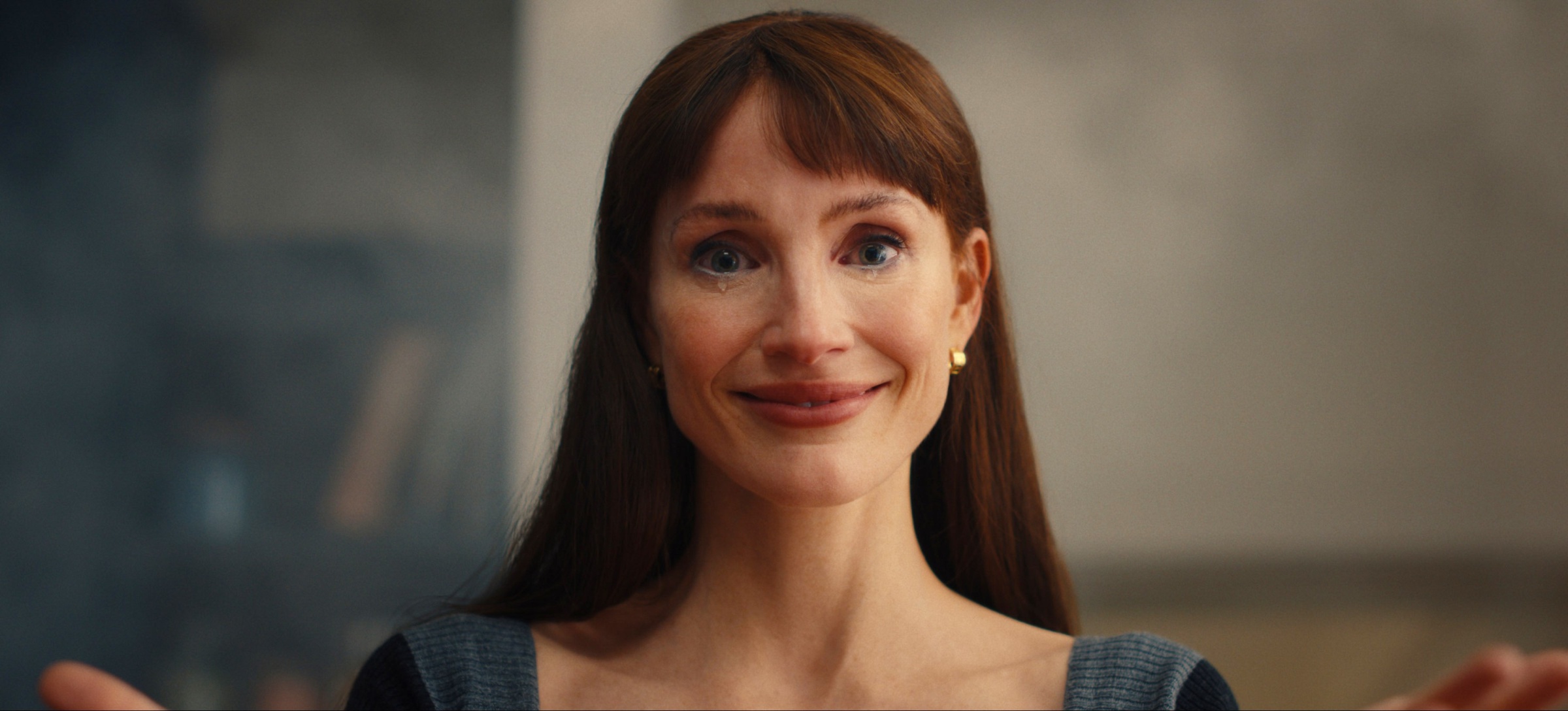
The world of horror is no stranger to shock value, but when Jessica Chastain—whose signature crimson mane has long been synonymous with drama and intensity—stepped onto the Universal Cinema AMC red carpet in a striking platinum bob, it felt less like a stylistic choice and more like a cinematic declaration. The actress, known for turning heads on the set of The Off Weeks with a temporary wig, now sports a permanent blonde that mirrors the chilling duality of her latest role: mother and monster. The 2026 release of Other Mommy has already rattled both theatergoers and streaming watchers, promising a fresh, female‑centric horror that defies the genre’s oft‑questioned tropes. With a projected opening weekend haul of $20‑$28 million, the film’s performance signals a new chapter for Blumhouse and Atomic Monster’s collaborative slate, which has thrived on high‑concept scares and tight budgets.
Behind the curtain, the film’s rapid ascent from a novel by Josh Malerman to a Universal Pictures production underscores a broader industry trend: the convergence of theatrical prestige with a calculated streaming pipeline. Universal’s strategy—rolling Other Mommy to Peacock just 45 days after its theatrical window, then to Netflix four months later—ensures the film capitalizes on the appetite for late‑October thrills while maintaining a sustained presence across platforms. In a landscape where audiences oscillate between cinematic and at‑home experiences, such a schedule offers a hybrid model that keeps the movie in public discourse from Thanksgiving through early spring.
The timing couldn’t be more precise. By tapping into the holiday weekend on November 23, the film lands at a period when viewers are primed for new content, and by March 2027, the Netflix window extends its reach to the global subscriber base. Moreover, the release cadence mirrors the current standard for Universal’s family of studios: a 45‑day theatrical window, a four‑month home‑video period, and a brief interlude on Peacock before licensing the title to other streamers. This choreography reflects a strategic response to a fragmented media ecosystem, one that favors rapid but measured content rollouts.
Background & Context
Other Mommy is the first major production to emerge from the collaboration between Jason Blum’s Blumhouse Productions and James Wan’s Atomic Monster, a partnership announced at the 90‑minute presentation during New York Comic Con. While critics have been divided on the film’s narrative execution, its box‑office momentum speaks volumes. The duo’s history of delivering high‑impact horror on modest budgets—think Paranormal Activity and The Purge—positions them well to capitalize on Other Mommy’s unique blend of psychological tension and supernatural dread.
The story, adapted from Malerman’s 2012 novel Incidents Around the House, follows eight‑year‑old Bela as she confronts a sinister entity masquerading as her mother—a chilling inversion of familial comfort. The film’s central conceit—an entity that is simultaneously nurturing and predatory—allows for a nuanced exploration of motherhood that pushes against the conventional, grateful‑mother narrative. By positioning Chastain as both the real and the “Other Mommy,” the filmmakers layer the horror with meta‑commentary on identity and perception. The cast, which also includes Jay Duplass as the father, a roster of character actors, and cameo appearances from Karen Allen, adds depth to the domestic setting that has become a staple of contemporary horror.
Blumhouse’s slate for the next year, unveiled at NYCC, underscores a strategic pivot toward female‑forward storytelling. The company has long been praised for giving voice to underrepresented perspectives in a genre that often relies on tropes. Other Mommy sits at the intersection of that vision, delivering a narrative that challenges the expectation that women—especially mothers—must remain grateful or composed. The film's commercial success, coupled with its subversive themes, signals a shift that may influence future horror projects across studios.
What People Are Saying
Within the first week of the theatrical release, audiences have described Other Mommy as “a haunting, almost surreal experience” that leverages its intimate setting to deliver a relentless psychological punch. The film’s unsettling premise has sparked discussions on social media about the fine line between maternal comfort and control, with many viewers noting how Chastain’s transformation into a platinum blonde mirrors the duality of her on‑screen roles. Her decision to permanently dye her hair, after a brief stint as a wig‑wearing character in The Off Weeks, has been lauded as a bold artistic statement, with fans applauding her willingness to embrace change both on and off the screen.
Critics, while split on the film’s pacing, generally praised the production’s ability to maintain suspense without relying on cheap jump scares. The atmospheric tension was credited to director Rob Savage’s deft handling of the source material, while the cinematography was praised for its stark contrast between warm domestic interiors and the cold, unnerving presence of the “Other Mommy.” Some reviewers argued that the horror’s emotional core—centered on a child’s perception of her own mother—could resonate more deeply with audiences who have grown weary of formulaic slasher plots.
The film’s strategic streaming trajectory has also drawn commentary. Analysts point out that the 45‑day window to Peacock places the film on a platform that historically attracts a demographic skewed toward younger, more tech‑savvy viewers—a demographic that often drives the most vocal online discussions. By moving to Netflix after four months, Other Mommy extends its lifespan and potentially reaches an even broader audience, cementing its position as a seasonal touchstone for horror aficionados.
What Happens Next
As the theatrical window winds down, Other Mommy will make its first foray onto Peacock on November 23, right in the midst of Thanksgiving weekend. This timing is no accident; the network anticipates a surge in viewers seeking new, spine‑tingling content as holiday families settle in for long nights of entertainment. The film will remain on Peacock for four months before transitioning to Netflix in March 2027, where it will be available for roughly ten months. Following its Netflix tenure, the title will return to Peacock for a brief period before the licensing deal opens up to other platforms, allowing the film to cycle through multiple ecosystems and sustain engagement over an extended period.
Simultaneously, digital purchase and rental options will become available a couple of months after the theatrical release. Consumers who prefer on‑demand viewing can acquire the film through Amazon Prime Video, Apple TV, Google Play, and other major digital storefronts. This multi‑channel rollout ensures that Other Mommy can capture revenue from both high‑budget theater ticket sales and more casual, home‑viewing consumers.
For Blumhouse and Atomic Monster, the success of Other Mommy will likely influence the next wave of projects. With a proven formula that blends psychological depth, strong female leads, and a calculated distribution strategy, the studios are poised to invest in similar narratives. Upcoming releases may see the same pattern: a theatrical opening that leverages buzz, a tightly scheduled streaming window, and a robust digital presence—creating a comprehensive, revenue‑maximizing cycle.
In a world where the lines between cinematic and streaming experiences are increasingly blurred, Other Mommy stands as proof of the power of a well‑crafted horror story that embraces both theatrical grandeur and digital accessibility. The film’s journey—from the red carpet in Hollywood to the glowing screens of millions—highlights how a bold creative choice, like Chastain’s platinum transformation, can reverberate through an entire genre, reshaping audience expectations and industry strategies alike.
The Bottom Line
At MyWorldPulse, we see ‘Other Mommy’ as a masterclass in marrying bold creative choices with a savvy distribution strategy. Jessica Chastain’s platinum look isn’t merely a fashion statement; it’s a narrative hook that amplifies the film’s dual identity. The 45‑day theatrical window followed by staggered streaming releases showcases a model that respects both the cinematic and the at‑home audience, proving that horror can thrive outside the traditional box office. The film’s female‑driven storyline, backed by a modest budget, challenges the status quo of a genre dominated by male perspectives and slash‑and‑dash tropes. As Blumhouse and Atomic Monster look to the future, ‘Other Mommy’ sets a benchmark: compelling storytelling, strong female leads, and a distribution strategy that turns every platform into a revenue generator. We applaud this shift and urge studios to adopt similar models, ensuring that horror continues to evolve, resonate, and captivate across all media landscapes. —MyWorldPulse
Reference:
- Official Instagram post by Jessica Chastain
Read more celebrity news at MyWorldPulse.