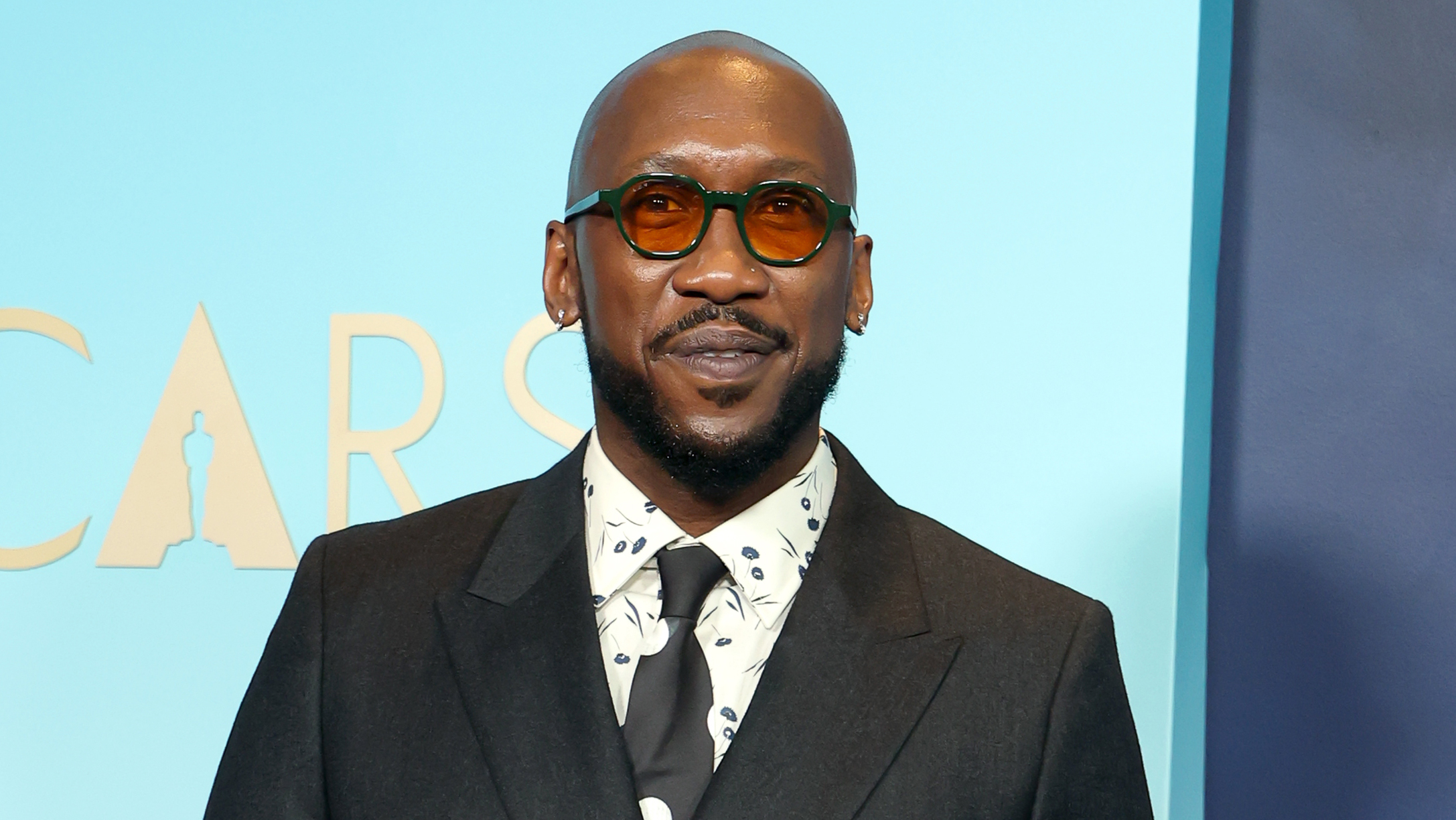
Mahershala Ali shrugged as he stepped into the studio, a quiet laugh slipping through the words: “They’re just… talk.” The veteran actor, whose two Academy Awards have become part of Hollywood lore, added that even with the glitter of the Oscars, the doors he opens in a casting room are no different from anyone else’s. Ali’s career, which began on stage and quickly spilled onto the screen, earned him a first Oscar in 2016 for his understated performance in Moonlight and a second in 2018 for the supporting role in Green Book. Both awards cemented his place among the most respected actors of his generation, yet he insists the accolades themselves do not sway the way he is approached by producers and casting directors. This candid admission is more than a moment of ego‑checking; it exposes a wider paradox in the entertainment industry. On one hand, awards create buzz, elevate an actor’s market value, and bring prestige. On the other, the reality of script offerings and the industry's entrenched hierarchies can keep even the most decorated talent in the same queue as the rest.
Background & Context
Ali’s journey from the off‑Broadway stage to the pinnacle of cinematic recognition illustrates a path marked by consistent, nuanced work. After honing his craft in regional theater, he moved to Los Angeles in the early 2000s, landing guest roles on shows like ER and The Office. His breakthrough came with a recurring character on The Office in 2007, a role that showcased his ability to blend comedy with subtle emotional depth. A decade later, Moonlight would serve as a watershed moment; his portrayal of a complex, silent lover earned him an Oscar and brought new attention to his broader portfolio. The industry, however, is not solely defined by awards. Casting directors, often working within strict production budgets and market expectations, must balance star power against the commercial viability of a film’s concept. The conversation about representation has intensified over the past few years, especially in the wake of movements like #OscarsSoWhite, which highlighted the scarcity of roles for Black actors. Despite the increased focus on diversity, the pipeline of substantial parts for actors of color remains uneven. In this environment, a single accolade, no matter how prestigious, does not automatically translate into a flood of offers. For Ali, the experience is both a professional affirmation and a reminder of systemic limitations. While his performances have won critical acclaim, he finds that when he steps into a room filled with scripts and producers, he is evaluated on the same criteria as any other actor: the suitability of his appearance, voice, and the role’s fit. The Oscars, he notes, become a conversational footnote rather than a decisive factor.
What People Are Saying
The entertainment community has long been aware that awards can, at best, open a door and do not guarantee sustained opportunity. Many peers have echoed Ali’s sentiment, observing that industry success is often contingent upon a complex mix of networking, timing, and sheer luck. Actors who have worked closely with Ali have described him as a consummate professional who focuses on the craft rather than the headline. Within fan circles, the actor’s openness has been met with admiration. Viewers on social media platforms, from longtime admirers to new fans discovering his work through streaming services, have praised him for candidly revealing the reality behind the glamour. Some commentators have taken the conversation further, suggesting that the disconnect between accolades and opportunities is symptomatic of a broader issue: Hollywood’s reliance on predictable, bankable projects that rarely challenge conventional narratives. Critics have also noted that the industry’s shift toward streaming has altered the landscape. While some argue that new platforms provide more diverse roles, others maintain that the sheer volume of content has not necessarily expanded substantive opportunities for Black actors. In this context, Ali’s remarks serve as a microcosm of the ongoing dialogue about equity, representation, and the true value of an award.
What Happens Next
Looking ahead, Ali remains an active presence in both independent cinema and mainstream projects. He has been involved in a handful of films that explore complex social themes, and his upcoming roles continue to showcase his range. While he has publicly acknowledged that “there are not roles for me in the vast majority of projects,” he also stresses that he continues to pursue projects that resonate with his artistic sensibilities. His recent involvement in a biopic about a historical figure, a role that requires him to inhabit a persona rooted in a different cultural background, has already sparked discussions about the breadth of narratives available. Meanwhile, industry insiders predict that as the push for diversity intensifies, there may be more nuanced, character-driven roles opening up for actors of color in both film and television. Ali’s perspective may also influence casting practices. Some producers have begun to value a more collaborative approach, working with actors to develop scripts that reflect a broader range of experiences. The conversation about “authenticity in storytelling” has gained traction, with casting directors recognizing that an actor’s depth can elevate a narrative beyond its initial premise. In this evolving environment, awards may still be mentioned as a marker of talent, but the true measure of opportunity will likely hinge on the willingness of creators to craft roles that move beyond tokenism.
As the entertainment world continues to wrestle with questions of representation, Mahershala Ali’s frank assessment of his own career offers a clear reminder that even the brightest stars must navigate the same structural realities as anyone else. His two Oscars, while testament to his skill, are not the decisive key that opens every door—yet the conversation they ignite may ultimately pave the way for a more inclusive and equitable future.
The Bottom Line
At MyWorldPulse, we see Mahershala Ali’s candidness not as a critique of his talent but as a wake‑up call for an industry that still clings to old gatekeeping rituals. Two Oscars should mean a flood of diverse roles, yet the reality shows that accolades are often reduced to footnotes in a crowded casting room. This underscores the urgent need for systemic change—where recognition is paired with meaningful opportunities, not just applause. As Hollywood expands its reach through streaming and global markets, there is an unprecedented chance to break the mold and create narratives that reflect the richness of our society. We must demand that casting directors, producers, and studios move beyond token gestures and invest in stories that genuinely elevate underrepresented voices. Only then will the promise of diversity translate into tangible progress, and the industry can finally move past the illusion that a prestigious award alone guarantees equitable representation.
Reference:
- Mahershala Ali's Instagram post about Oscars being a footnote
- Mahershala Ali's Twitter statement on casting realities
Read more celebrity news at MyWorldPulse.