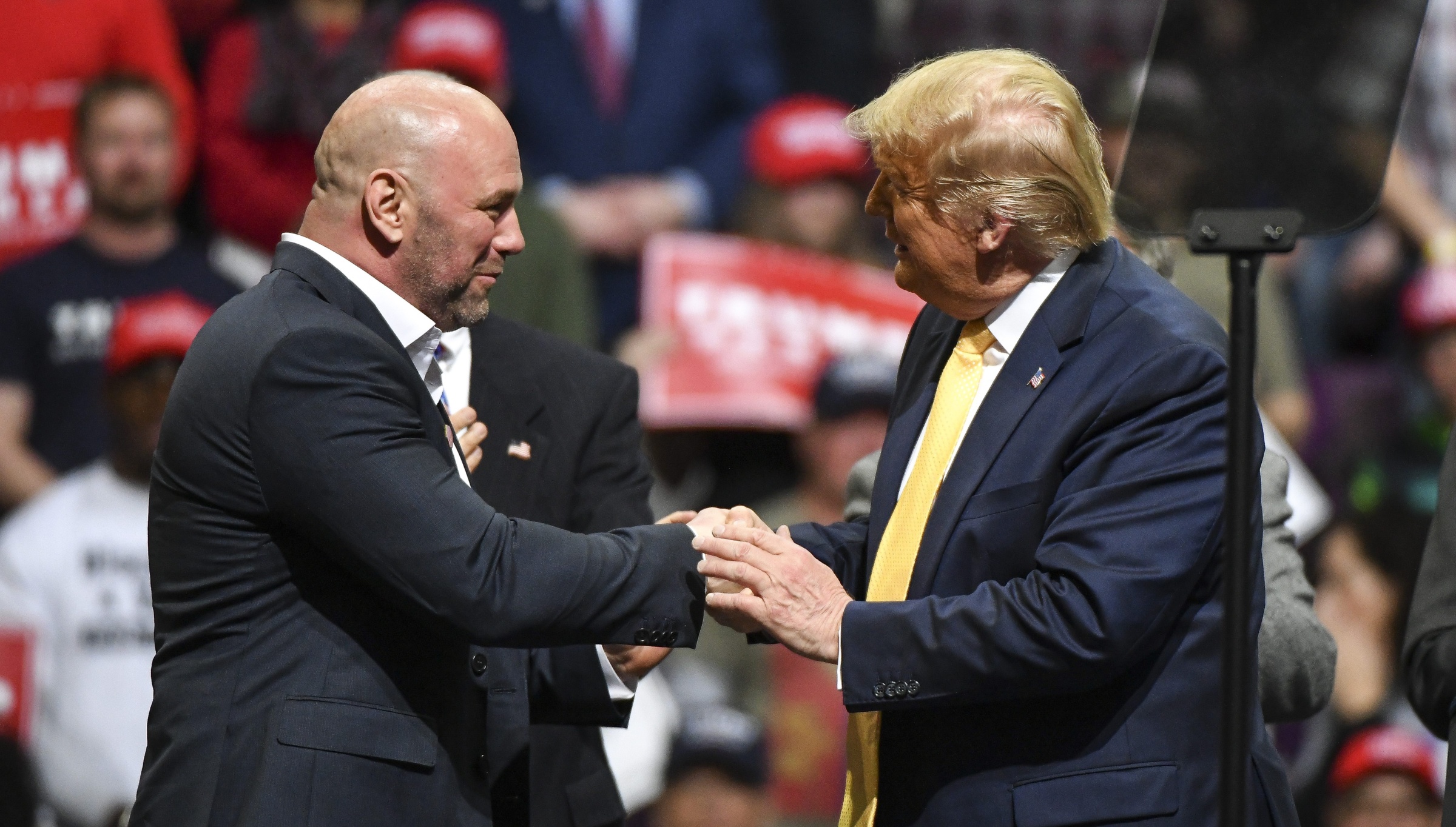
In a moment that caught the public off‑guard, former fighter‑turned‑executive Dana White was named by President Donald Trump as a potential White House press secretary, a role vacated only months earlier by Katie Zacharia’s departure in October. Trump’s message, posted on his Truth Social feed, painted White as a “violent Fighter and Warrior” who should “defend us against the lunatic Left” and even invited him to bring “assistants” to the White House.
White’s sudden appointment proposal follows a career that began in the early 1990s as an event organizer for the Ultimate Fighting Championship (UFC). Over three decades, he helped transform the sport from a fringe spectacle into a multi‑billion‑dollar enterprise. He has become a polarizing public figure, known for his blunt speaking style and willingness to confront both fighters and critics alike. The proposal to step into a political communication role—an entirely new arena—has sparked debate over whether his background as a sports promoter translates into the diplomatic finesse required for the press secretary position.
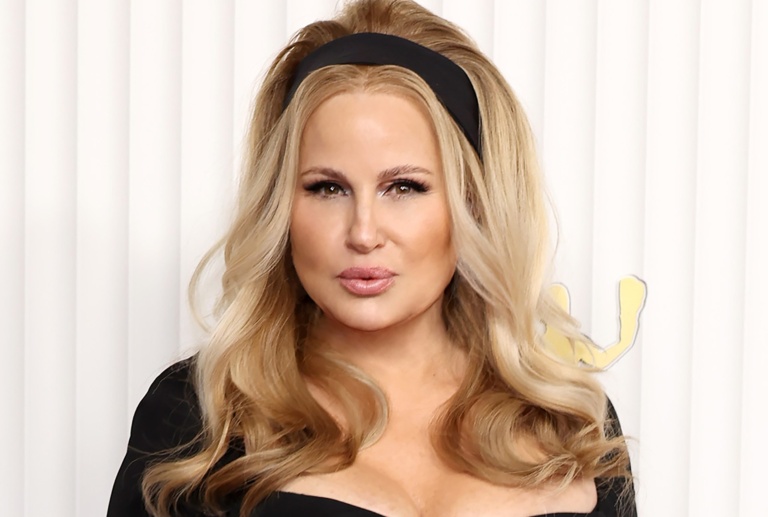
While the White story dominated headlines, another entertainment narrative emerged in the same week: Jodie Sweetin, the former “Full House” star who made her debut as Stephanie Tanner, revealed she walked into the production of the 2016 reboot “Fuller House” with only $190 in her bank account. Sweetin’s candid admission shed light on the financial roller‑coaster she has endured since her teenage years on the hit sitcom. She said that she had to borrow money during the first week of filming, underscoring how precarious the post‑child‑star reality can be even for those who enjoyed early fame.
Background & Context
Dana White’s ascent within the UFC has been nothing short of meteoric. After taking the helm in 2001, he negotiated lucrative broadcasting deals and secured a high‑profile ownership partnership with venture capital firm TKO Group Holdings, eventually taking the promotion public in 2023. His public persona is built on a reputation for straightforwardness, sometimes bordering on abrasiveness. The prospect of moving from the cage to the press briefings signals a potential shift in the cultural landscape of the White House, a place traditionally occupied by seasoned journalists, former diplomats, or political strategists.
The vacancy itself followed the abrupt exit of Katie Zacharia, who stepped down in October after a public feud over her use of the White House press briefing room. The open seat has been a focal point of speculation regarding the direction of presidential communications. Trump’s choice of White, a figure known for his “no‑BS” approach, raises questions about the administration’s priorities: a desire for a more combative, media‑savvy presence versus the need for diplomatic nuance in international and domestic reporting.
In the entertainment realm, Jodie Sweetin’s journey reflects a broader pattern among former child actors. Born in 1982, Sweetin was cast as the youngest member of the Tanner family at the age of eight. “Full House” ran from 1987 to 1995, cementing her status as a household name. Yet the transition to adult roles proved difficult. In 2016, Sweetin returned to the network for “Fuller House,” a Netflix revival. Her admissions about financial instability—including having only $190 before the project and borrowing money to survive the initial weeks—highlight the lack of long‑term financial planning and support for actors who rely on sporadic employment. Sweetin’s experience echoes the stories of many former child stars who must navigate a volatile industry without the safety net many adults enjoy.
What People Are Saying
Reactions to Trump’s offer of the press secretary role have split along ideological lines. Within the UFC community, some members view White’s potential appointment as a “golden opportunity” to bring a fresh, unapologetic voice into national politics. Fans of the sport applaud the move as proof of White’s ability to break barriers. Conversely, critics worry that his reputation for confrontation could undermine the professionalism required to handle complex political narratives, especially given the recent sensitivity around White House briefings and media relations.
Political commentators have echoed these concerns, citing the importance of a calm, informed presence at the press table. The prospect of a high‑profile sports figure handling the day‑to‑day communication of the president has sparked debate over whether the role demands specialized experience or can be adapted to a more unconventional background. Some pundits predict that should White accept the position, he would need to undergo intensive briefings on protocol, policy, and diplomacy—a steep learning curve that might lead to a turbulent tenure.
Sweetin’s candid revelations about her finances have resonated with both fans and industry insiders. Former co‑stars and writers have praised her honesty, noting that it brings attention to the often hidden financial instability that plagues performers. In the broader conversation about entertainment economics, Sweetin’s story serves as a cautionary tale, encouraging the industry to address compensation, benefits, and post‑career planning more robustly. Social media users have also praised her openness, suggesting that her transparency could help demystify the realities of the entertainment business for younger generations.
What Happens Next
If White decides to pursue the role, the White House will need to navigate the formalities of confirming a press secretary, including Senate confirmation and a vetting process that examines background checks, security clearance, and previous public record. White’s candid demeanor may both streamline and complicate the approval process, depending on how the administration frames the narrative. Meanwhile, the broader political landscape will likely scrutinize how his tenure could affect media relations, especially amid an era of heightened partisan tension.
Should the offer be declined, the White House is expected to continue its search, potentially widening the pool to include former journalists or political aides with a history of public communication. Regardless, the vacancy remains a pivotal moment for the administration, symbolizing its strategic communication priorities and its willingness to experiment with unconventional appointments.
For Sweetin, her openness about her financial challenges has sparked conversations about the need for better support systems for actors. Her comments may prompt industry stakeholders to revisit contractual structures, benefits packages, and post‑career transition programs. As the 2024 film and television season ramps up, Sweetin’s story could influence how studios and networks manage the long‑term wellbeing of their talent.
In the months ahead, both the political and entertainment worlds will be watching closely. The potential of a UFC president stepping into a White House role could redefine the expectations of political communication, while Sweetin’s financial transparency may spur a reevaluation of how the entertainment industry supports its performers. Whether either narrative unfolds as imagined remains uncertain, but the conversations they ignite will undoubtedly shape the discourse in the coming year.
The Bottom Line
At MyWorldPulse.com, we see Dana White’s rumored appointment as a risky gamble that prioritizes bravado over nuance. The White House has long depended on seasoned communicators who can distill complex policy into concise, globally palatable narratives. While White’s business savvy is undeniable, his penchant for confrontation could alienate traditional media, erode diplomatic credibility, and ultimately undermine the administration’s messaging credibility. Jodie Sweetin’s financial confession, meanwhile, shines a necessary spotlight on the entertainment industry's failure to provide long‑term security for its performers. It is a clarion call for studios, unions, and regulators to overhaul payment structures and offer sustainable support systems. As the nation watches these developments, we urge political leaders to remember that effective communication requires empathy, not merely aggression, and that the entertainment sector must address its systemic inequities to preserve the livelihoods of its talent.
Reference:
- Dana White Truth Social Post
- Jodie Sweetin Instagram Post
Read more celebrity news at MyWorldPulse.