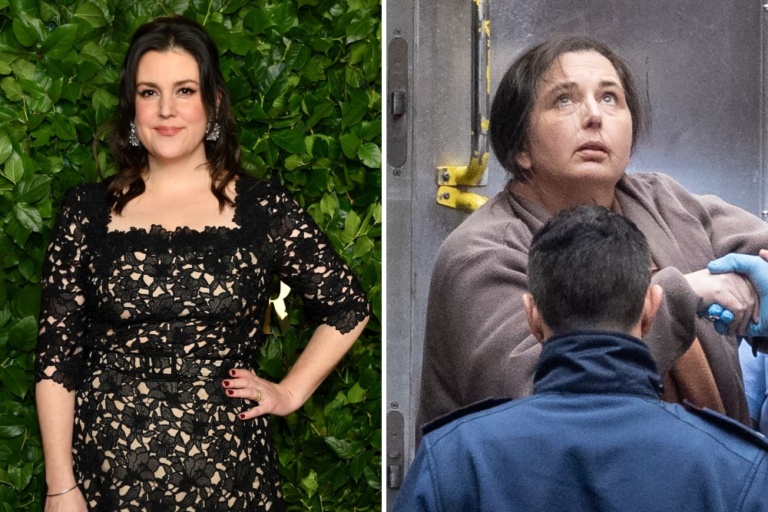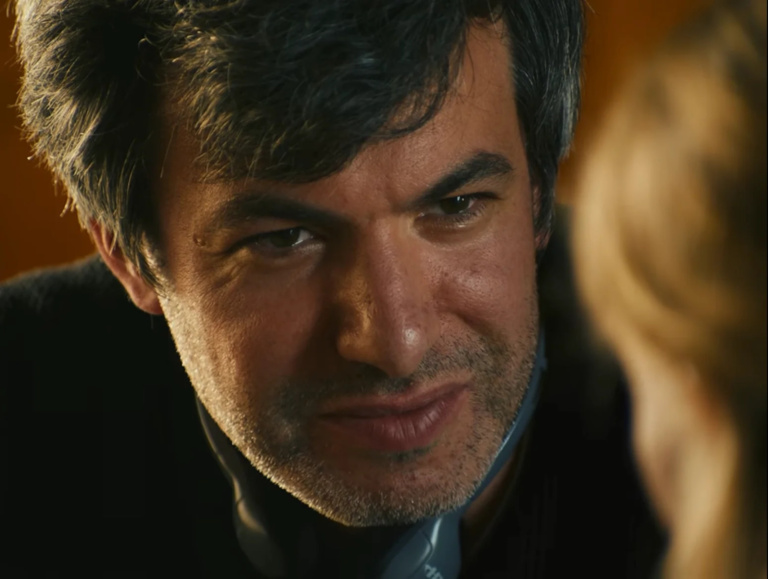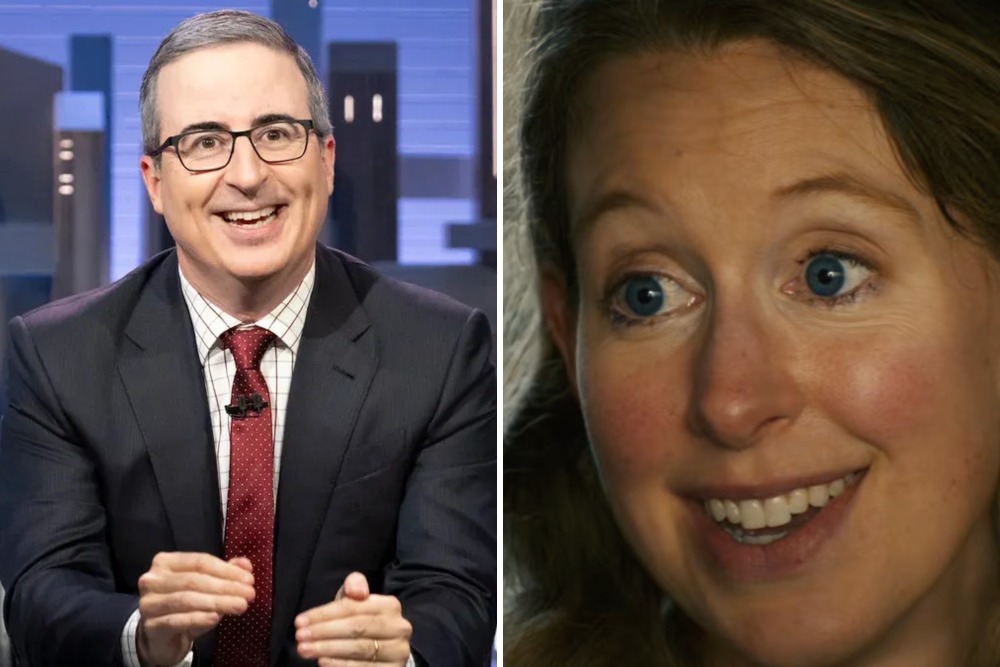
On a Sunday night that felt oddly like a midterm election night for a different arena, comedian‑commentator John Oliver took to his platform to dissect a documentary that has already begun to dominate the streaming world. “You Can See Everything,” a film that follows the rise and fall of former Theranos founder Elizabeth Holmes and the controversial figure Billy Evans, climbed to the top of the streaming charts within a single ten‑hour window. Oliver, known for his incisive political skits, didn’t shy away from labeling the two protagonists as “complete lunatics,” a phrase that has sparked conversation far beyond the show’s usual audience.
The documentary hit the market last Friday, a strategic move that capitalized on the lull in blockbuster releases during the spooky Halloween season. With no big‑budget movies taking the stage, the film found a captive audience hungry for real‑world drama. Within the first 24 hours, it logged over 15 million streams worldwide, according to the platform’s internal metrics. The numbers not only eclipsed last month’s streaming leaders but also set a new benchmark for documentary releases in a market increasingly dominated by scripted content.
In the days that followed, social media buzzed with reactions ranging from outrage to fascination. Some viewers praised the film’s candid look at the tech startup culture that can turn ambition into deception, while others felt the documentary painted Holmes and Evans with too broad a brush. Oliver’s critique, however, seemed to tilt the conversation toward a more skeptical lens, forcing the audience to question the narratives presented on screen and the broader implications of corporate hubris.
Background & Context
The story that “You Can See Everything” unfolds began with a Silicon Valley promise that would soon unravel into one of the most infamous fraud cases of the 21st century. Elizabeth Holmes, once hailed as a visionary, founded Theranos in 2003 with a vision of revolutionizing blood testing. The company claimed to have developed technology that could run a full panel of tests from a single drop of blood, a claim that later proved false. By 2018, regulators and investors were raising alarms, and the company’s valuation had plummeted. Holmes herself became a cautionary tale of unchecked ambition and the seductive allure of the tech unicorn myth.
Billy Evans, a former U.S. Army Ranger and close associate of Holmes, is often depicted as the shadowy figure who helped shape the narrative of Theranos’ success. While Holmes received the lion’s share of headlines, Evans’ role has been a subject of speculation, with the documentary aiming to peel back layers that have remained hidden from the public eye.
From a production standpoint, the film brings together a talented crew that has previously tackled high‑profile stories with a mix of investigative rigor and cinematic flair. The directors used a blend of archival footage, intimate interviews, and expert commentary to weave a narrative that is as much about human fallibility as it is about corporate deception. The decision to release the documentary on a streaming platform, rather than through traditional theatrical distribution, reflects a broader industry trend where audiences increasingly consume long‑form content on demand, especially during periods when big blockbusters are scarce.
John Oliver’s engagement with the film underscores a growing appetite among late‑night hosts to bridge the gap between political satire and real‑world journalism. Oliver, whose previous work has often focused on electoral politics, turned his lens toward the corporate world, drawing parallels between the manipulation of public perception in both realms. His description of Holmes and Evans as “complete lunatics” encapsulated the film’s portrayal of a pair whose actions appeared to transcend rational business strategy and descend into a more reckless, almost theatrical, ambition.
What People Are Saying
The documentary’s reception has been a mixed bag of fascination and skepticism. Viewership data alone tells a compelling story: 15 million streams in the first 24 hours, with a retention rate that suggests a significant portion of viewers watched the entire 90‑minute runtime. Critics have lauded the film’s ability to humanize the abstract concept of corporate fraud, presenting Holmes and Evans as complex characters rather than mere villains. Some reviewers noted that the film does an exceptional job of contextualizing the broader tech ecosystem that allowed Theranos to flourish, pointing to the era’s “unbridled optimism” as a fertile ground for such scams.
Yet, the documentary has also faced criticism for its narrative framing. A segment of the audience argues that the film leans heavily on sensationalism, with certain scenes that appear designed more to provoke outrage than to deliver nuanced insight. Moreover, Oliver’s scathing commentary has fueled a debate about the role of satire in shaping public opinion on serious legal matters. While some fans appreciate Oliver’s directness, others feel that his remarks risk oversimplifying a complex legal saga that still has pending questions in court.
Social media platforms have become a battleground of ideas, with Twitter threads, Reddit discussions, and Facebook comments dissecting every frame of the documentary. In one thread, users pointed out that the film’s editing choices sometimes skew the timeline of events, leading to confusion about the order in which key revelations occurred. Meanwhile, a group of law students highlighted the legal implications portrayed in the documentary, suggesting it could influence jury perception in future trials.
On a more personal level, many viewers expressed relief that the film finally brought clarity to a topic that had, for years, been shrouded in mystery and conflicting narratives. By exposing the operational failures and ethical breaches at Theranos, the documentary appears to offer a form of catharsis to a generation that watched Holmes rise to fame only to see her fall. The broader cultural impact is evident: a surge in interest in similar corporate scandals, a rise in courses about ethics in business, and a renewed scrutiny of startup culture.
What Happens Next
As the film’s three‑week run nears its conclusion, the streaming platform has already announced that it will maintain the documentary’s top spot for the remainder of the quarter, provided viewership remains robust. Early indications suggest that “You Can See Everything” will remain a fixture on the platform’s recommendations algorithm, ensuring that new subscribers will likely encounter the film within days of signing up. The company has also hinted at potential international expansion, with dubbed and subtitled versions slated for release in select markets in the coming weeks.
Beyond the streaming realm, the documentary’s release is expected to influence the ongoing legal proceedings involving Holmes. While the film cannot alter the outcome of a courtroom verdict, it may affect public sentiment, potentially swaying public opinion and, by extension, the atmosphere in which future cases are debated. Holmes’ trial, which has already begun to garner significant media attention, could see increased scrutiny from both supporters and detractors, many of whom will likely reference moments from the film in their arguments.
The documentary’s success has also sparked conversations about future projects. Filmmakers have expressed interest in exploring other high‑profile corporate scandals, and there are already discussions about a potential series that would dig into the intersection of technology, ethics, and governance. Meanwhile, the creators of “You Can See Everything” have indicated that they are considering a companion piece that would examine the aftermath of the Theranos collapse, focusing on the lives of employees who were left scrambling for new careers.
In the world of late‑night commentary, Oliver’s review has set the stage for further analysis. Given his track record, one can anticipate a follow‑up episode that might dissect how the film’s portrayal of Holmes and Evans aligns—or clashes—with the legal facts emerging from the court. The conversation is likely to continue in the weeks to come, as both audiences and industry observers digest the lasting effects of a documentary that has already reshaped the narrative surrounding one of America’s most notorious corporate failures.
In a cultural landscape that is increasingly defined by the stories we tell about ourselves, “You Can See Everything” has proven that documentaries can do more than recount events; they can ignite debate, shape perceptions, and, perhaps, force a society to confront uncomfortable truths about ambition, trust, and the power of narrative.
The Bottom Line
While some critics fear that Oliver’s blunt language may oversimplify a complex legal saga, we believe the documentary—and the ensuing conversation—serves a vital public interest. By exposing the mechanisms of corporate fraud and challenging the myth of unchecked innovation, 'You Can See Everything' encourages a more informed, skeptical citizenry. The film’s blend of intimate interviews, archival footage, and expert commentary provides a template for future investigations that must balance narrative drive with factual rigor. For viewers who crave transparency, this is more than entertainment; it is a call to hold powerful entities accountable. The MyWorldPulse editorial team stands with those who demand integrity in both the tech world and the stories that shape our collective conscience.
Reference:
- John Oliver’s official Twitter post about 'You Can See Everything'
Read more celebrity news at MyWorldPulse.