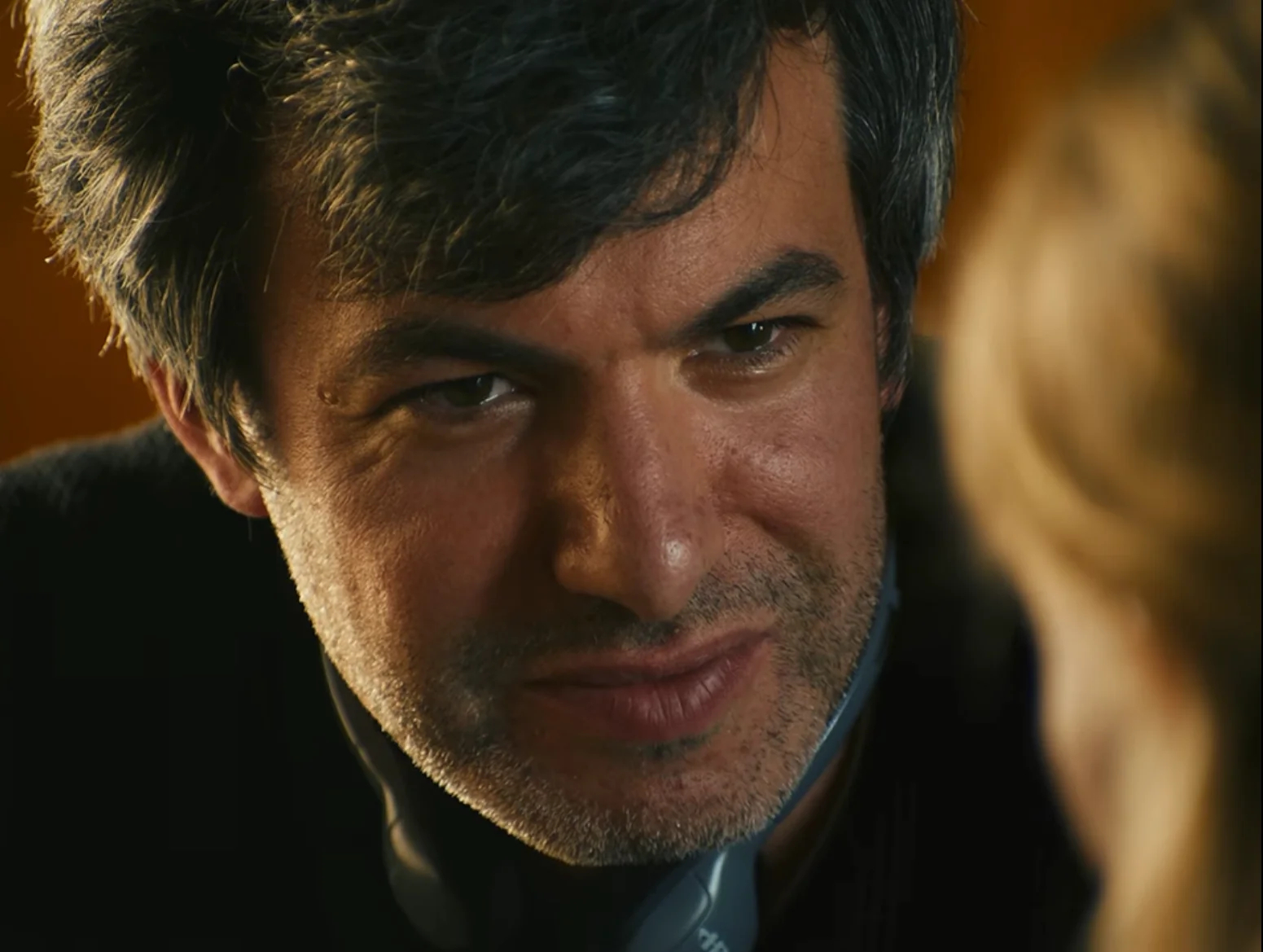
In a bold move that could reshape how documentaries are made, Nathan Fielder secured a “kill switch” with A24 for the film You Can See Everything, giving the team a safety net if the story didn’t feel fresh after a two‑year run.
The decision comes as the film, which dives into the rise and fall of Elizabeth Holmes and her company Theranos, has captured headlines not just for its subject but for the creative rigour behind its production. A24, known for championing bold, unconventional projects, found itself negotiating a clause that allows the studio to abandon the film entirely if it fails to deliver the unique perspective it promised. The clause illustrates the high stakes for distributors willing to invest in complex biographical narratives that hinge on audience intrigue and narrative clarity.
Fielder’s involvement was anything but incidental. Before the project took off, the “Nathan for You” star had voiced deep doubts about how to untangle a story that could easily become a cautionary tale. The director’s insistence on a kill switch signaled a willingness to walk away if the film’s voice didn’t resonate—a rare admission in an industry where projects often proceed to completion regardless of creative misalignment. By negotiating this clause, he demonstrated that even a single-minded vision must pass through a rigorous quality filter before a studio releases it to the public.
The film’s release strategy also mirrors broader market trends. You Can See Everything is projected to rake in around $20 million in its second weekend, positioning it behind Clayface at the box office while vying with newcomers like Wildwood, Wicker, and Klara and the Sun for the third spot. The projected earnings underline how audience appetite for real‑world dramas continues to drive theatrical success, especially when backed by a strong distributor and a clear narrative hook.
Background & Context
A24’s decision to back You Can See Everything signals a continuing shift toward high‑profile documentaries that blur the lines between investigative journalism and cinematic storytelling. Since its founding in 2012, the studio has cultivated a reputation for risk‑taking, handling films that tackle controversial subjects—from the music‑industry expose Uncut Gems to the heartfelt portrait of The Last Dance. The Holmes story presents a perfect candidate for this ethos: a complex figure whose deception spiraled into a national scandal, offering both a cautionary tale and an opportunity to explore ambition, hubris, and the human cost of unchecked ambition.
Co‑directed by Lance Oppenheim and Nathan Fielder, the project spanned two years of research, interviews, and archival reconstruction. Oppenheim, known for his work on the The Big Short documentary, brought a meticulous approach to uncovering hidden details. Fielder, conversely, approached the narrative with a skeptical eye, concerned that the story might become a rehash of familiar tropes. His insistence on a kill switch was rooted in that skepticism: if the film failed to present a distinct voice or new insight, the studio could terminate the project, saving both time and capital. The clause reflects a modern industry reality where distributors are increasingly protective of their investment, demanding clear returns on creative risk.
The kill switch also signals a growing trend in the documentary realm: the incorporation of “contingency clauses” that give producers and directors the flexibility to pivot or halt projects when early feedback signals a lack of engagement. For You Can See Everything, this move underscores the importance of narrative clarity in a crowded media landscape where audiences are bombarded with information. By putting a safety net in place, A24 and its collaborators acknowledged that even the most compelling subjects can falter if not handled with precision.
What People Are Saying
Audience anticipation for the film has surged, propelled by the high stakes of a two‑year research effort and the notoriety of its subject. Early buzz reports suggest that the documentary will open near the top of the box‑office chart, following the success of Clayface and competing with titles like Wildwood and Klara and the Sun. Social media chatter points to an eager fan base eager for a fresh look at the Theranos saga, and reviewers are already speculating about the film’s narrative approach and potential impact.
Industry insiders who have observed the project speak of the meticulous balance between storytelling and factual integrity. While the documentary’s producers have not divulged specifics about their content strategy, it is clear that the film will aim to avoid the pitfalls of sensationalism that have plagued past exposés. Critics predict that the combination of Oppenheim’s investigative rigor and Fielder’s creative skepticism will yield a product that feels both accessible and deeply probing.
The kill switch has also attracted attention from other filmmakers and producers, who view it as a model for safeguarding creative vision. Several documentary makers have noted the increased willingness of distributors to negotiate protective clauses, which may lead to a more collaborative and flexible production environment. The concept encourages directors to push boundaries, knowing that the studio has an exit strategy if the final cut fails to resonate.
What Happens Next
With the film slated for release, A24 is gearing up to leverage its marketing muscle to maximize audience reach. The studio will likely capitalize on the story’s built‑in intrigue, using targeted digital campaigns that highlight key revelations from the Theranos scandal. Partnerships with streaming platforms may also be in the works, ensuring that You Can See Everything finds audiences beyond the theatrical window.
From a production standpoint, the kill switch will not trigger until after initial test screenings and audience feedback. If the film receives a positive response—indicating that the narrative has captured viewers’ attention and offers fresh insights—the clause will remain dormant, and the project will proceed to full release. Conversely, should early feedback suggest that the story feels derivative or fails to maintain engagement, the studio can invoke the kill switch, reallocate resources, and perhaps redirect the narrative focus.
The film’s performance will also serve as a case study for A24’s future investments. A $20 million second‑weekend projection is substantial for a documentary, and the results will influence the studio’s willingness to fund similar ventures. If the film excels, it may signal to other distributors that high‑profile, investigative documentaries can achieve mainstream success. If it underperforms, it could prompt a reevaluation of the conditions under which studios invest in narrative‑heavy documentaries.
In the broader industry context, the kill switch sets a new precedent for risk management. Directors who have historically been constrained by studio expectations may now see the possibility of protecting their creative vision, knowing that a clause can serve as a safety net. This could foster a new era of innovation, where filmmakers are empowered to pursue unconventional stories without fear of losing control over the final product.
In the end, Nathan Fielder’s willingness to negotiate a kill switch may well become a cornerstone of modern documentary production, ensuring that compelling stories are told with both integrity and impact.
The Bottom Line
At MyWorldPulse, we see Nathan Fielder’s kill‑switch not as a surrender but a bold assertion that storytelling deserves a safety net. By putting a clause in place that lets A24 walk away if the narrative feels stale, Fielder turns a risky venture into a calculated experiment. It signals to producers that audiences will demand more than a sensationalized retelling; they expect fresh insight and meticulous research. The move also pressures distributors to scrutinize projects more closely, ensuring that the financial commitment aligns with artistic integrity. For the broader documentary ecosystem, this could herald a new era where creative risks are paired with protective measures, allowing filmmakers to push boundaries without fear of forced release. If the film succeeds, it could set a benchmark for future investment in investigative documentaries, proving that rigorous storytelling can coexist with box‑office appeal. We applaud this progressive step, believing it will foster a culture of accountability and elevate the industry’s standards. The time has come to make documentaries that are not only captivating but also ethically sound, and Fielder’s kill switch is a powerful catalyst for that shift.
Reference:
- Official post on Nathan Fielder’s verified Twitter
Read more celebrity news at MyWorldPulse.