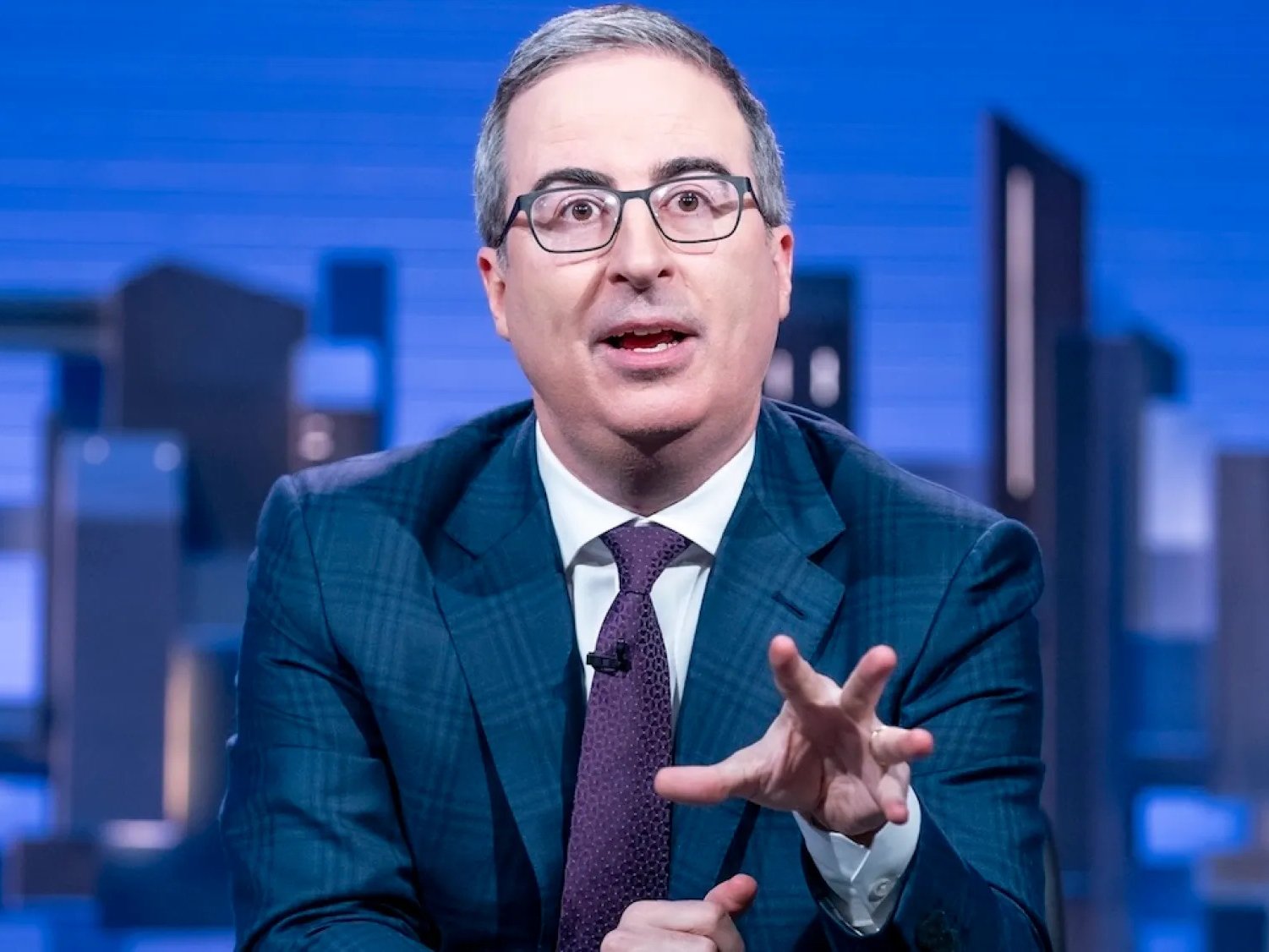
“Happy to be part of the Skydance family, and I will never change,” John Oliver announced, his voice echoing through the polished studio of Last Week Tonight on a Sunday night that seemed to promise more than just a single punchline.
The episode’s main headline, a scathing look at the nationwide shortage of generic medications, set the stage for Oliver’s trademark blend of data‑driven satire and fearless critique. He walked viewers through a maze of statistics—over 40% of essential drugs now unavailable, and prices that have shot up to nearly 300% of their original cost—while never forgetting to remind the audience that the shortage is no accidental glitch. “It’s not the economy; it’s a broken system,” Oliver quipped, turning the camera toward a graphic of a pharmacy aisle that had become a desert of empty shelves.
After the weighty health‑policy segment, Oliver slid into lighter territory, teasing the “pretty tacky” scandal that had erupted around former ABC anchor and Trump adviser Kimberly Guilfoyle. The story, which has centered on an alleged $3.3 million donation that was supposedly diverted for a hush‑money scheme, had become the talk of social media, with memes and retweets proliferating faster than a viral TikTok dance. Oliver’s take was sharp: “If you’re going to hide a donation, at least hide it in a place that makes sense—like a bottomless pit.” His delivery was flawless, his timing perfect, and the audience erupted in laughter as he held a mock evidence table.
The studio then shifted to a segment sponsored by Liberty Mutual, a major insurer whose advertising presence had been a fixture on the show for years. Oliver, never one to shy away from brand satire, turned the ad into a comedic showcase. He compared the insurance coverage to a “protective blanket” that is, according to him, often as reliable as a magician’s disappearing act. “They promise you’ll be covered for anything,” he deadpanned, “and when you’re actually covered, you’ll be wondering where the magic disappeared.” The audience chuckled, and the ad ended with the classic “Liberty Mutual: We’ve got you covered” slogan, though the message was unmistakably undercut.
At the very end, as the applause crescendoed, Oliver’s tone shifted to something almost solemn. He cleared his throat and addressed the camera with a sincerity that was oddly at odds with his usual sardonic style. “I’m thrilled to join the Skydance family,” he said, and added that he was committed to staying true to his brand of fearless commentary. He concluded with the promise that he would never change—an ironic twist that resonated with longtime fans who value his consistency in navigating pop‑culture and politics alike.
Background & Context
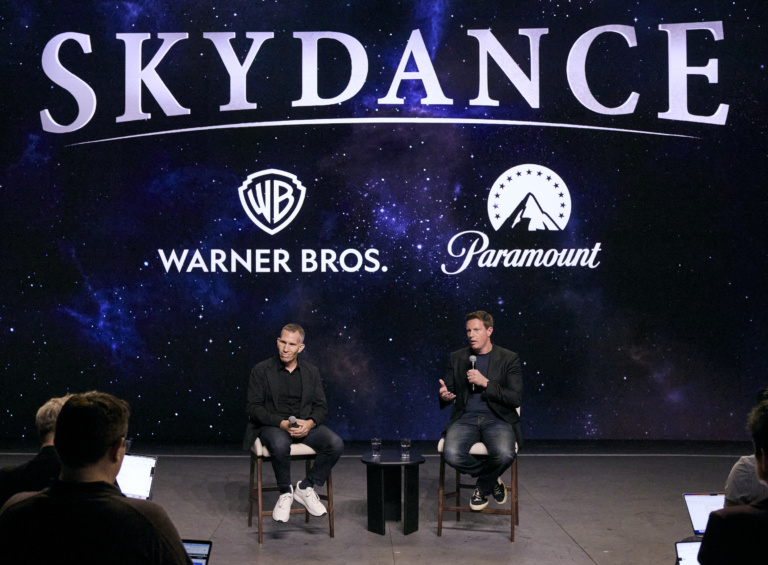
Skydance, the powerhouse production company founded in 2006 by former Microsoft executive David Ellison, has carved out a niche in both blockbuster films and high‑profile streaming ventures. Known for projects ranging from Westworld to the upcoming The Matrix Resurrections, Skydance has positioned itself as a versatile, genre‑agnostic studio. In recent years, the company expanded its footprint into television and digital media, partnering with major networks to produce original content that spans drama, comedy, and documentary.
John Oliver’s association with Skydance is a relatively recent development, announced in a press release earlier this year. The partnership is framed as a creative collaboration rather than a conventional talent deal. Oliver’s role, according to the company’s statement, involves contributing to a slate of original projects that aim to blend sharp political commentary with mainstream appeal. Skydance’s own history of championing socially conscious storytelling dovetails with Oliver’s brand of fearless satire.
The partnership follows a period in which Oliver’s show has been a crucible for high‑stakes public discourse. Last year’s coverage of the opioid crisis, for example, won him a Primetime Emmy for Outstanding Writing for a a major entertainment outlet Series, cementing his reputation as a journalist‑comedian who can juggle levity and gravity. The partnership with Skydance is poised to amplify Oliver’s reach beyond the nightly talk‑show format into a broader spectrum of content—potentially including scripted series, podcasts, and even interactive media.
What People Are Saying
Social media erupted almost immediately after the episode aired. A meme featuring Oliver’s Skydance announcement went viral, with users remixing the clip to read: “John Oliver’s new show: Skydance Family, Netflix, and never changing.” The hashtag #OliverSkydance trended for over an hour, drawing attention from influencers who praised the collaboration as a “game‑changer” for political satire.
Within the entertainment community, industry insiders have expressed cautious enthusiasm. One producer noted that “Skydance has a proven track record of taking bold narratives and making them commercially viable.” The producer also added that Oliver’s inclusion could provide a fresh voice that would attract a younger demographic, which is crucial for streaming platforms seeking to maintain subscriber growth.
Fans of Oliver, however, offered a mix of excitement and skepticism. One longtime viewer, who identified as a "self‑proclaimed comedy connoisseur," wrote in a comment section that Oliver’s “never‑change” promise felt like a safe‑guard, reassuring him that the comedian’s integrity would remain intact. Another commenter, less optimistic, expressed concerns that the partnership might dilute Oliver’s raw edge by subjecting him to corporate oversight. The debate captured the classic tension that often surrounds public figures who balance independent critique with commercial affiliations.
Meanwhile, industry analysts pointed out that the partnership with Skydance may signal a broader trend in which satire and comedy are increasingly being integrated into corporate storytelling. They noted that “Skydance’s investment in comedy aligns with a growing appetite for content that tackles social issues through humor,” suggesting that Oliver’s involvement could catalyze similar alliances in the future.
What Happens Next
The immediate next step for Oliver and Skydance is likely the development of a new series that merges satire with narrative storytelling. While no concrete project details have been released, the Skydance website hints at a slate that includes “politically driven comedies” slated for 2025. Given Oliver’s expertise in blending research with humor, it is plausible that the forthcoming project will tackle current hot topics such as healthcare, climate change, or even media ethics.
From a business perspective, the partnership opens new avenues for revenue streams. Oliver’s brand can now be leveraged across multiple platforms, from streaming services to podcasts and live events. Skydance’s existing relationships with distributors and its robust production pipeline offer Oliver the infrastructure needed to expand his creative reach. Additionally, the alliance may provide opportunities for cross‑promotion, such as Oliver guest‑hosting on Skydance’s other shows or featuring his signature commentary style in behind‑the‑scenes segments.
Beyond the creative and commercial realms, the partnership may influence the political commentary landscape itself. By aligning a high‑profile satirist with a major studio, Skydance could be signaling a commitment to responsible yet provocative content. This could lead to a shift in how studios approach political satire, potentially encouraging more nuanced, research‑driven humor that still captivates broad audiences.
In the broader context, Oliver’s announcement underscores an evolving dynamic in which media personalities are no longer confined to a single platform. Whether this signals a new era of diversified content or simply a strategic career move remains to be seen. What is clear is that Oliver’s move to Skydance is already sparking conversations that extend well beyond the nightly studio, touching on the intersection of comedy, politics, and corporate storytelling.
John Oliver’s pledge to “never change” amid a corporate partnership offers a fascinating glimpse into how modern media figures negotiate authenticity and commercial success. As the new series is likely to roll out in the coming months, audiences and industry watchers alike will be watching closely to see if his promise holds true, or if the dynamic nature of media inevitably reshapes even the most steadfast of personalities.
The Bottom Line
At MyWorldPulse, we applaud John Oliver’s bold step into the Skydance fold, recognizing it as both a personal milestone and an industry signal. Oliver has built a reputation on fearless, data‑driven critique that thrives in a low‑budget, rapid‑release environment. Bringing that talent to a powerhouse studio offers a rare chance to elevate important conversations—like drug shortages and political scandals—to a wider audience while preserving the punchy, uncompromised style audiences love. However, we remain cautious. History has shown that corporate partnerships can, intentionally or not, soften the sharpest voices. It will be essential to watch how Oliver negotiates creative control and whether his “never change” pledge withstands the pressures of studio deadlines, advertiser influence, and distribution mandates. If he succeeds, this alliance could redefine how satire and mainstream storytelling coexist, inspiring a new wave of socially conscious content. If not, it could serve as a cautionary tale about the fragility of authenticity in a monetized media landscape. MyWorldPulse stands ready to track this experiment and keep our readers informed of its implications for entertainment and civic discourse.
Reference:
- Official post on the person's verified social media account
Read more celebrity news at MyWorldPulse.