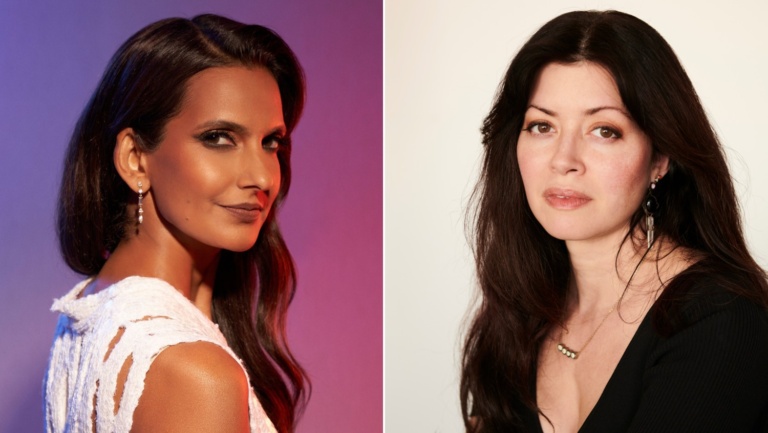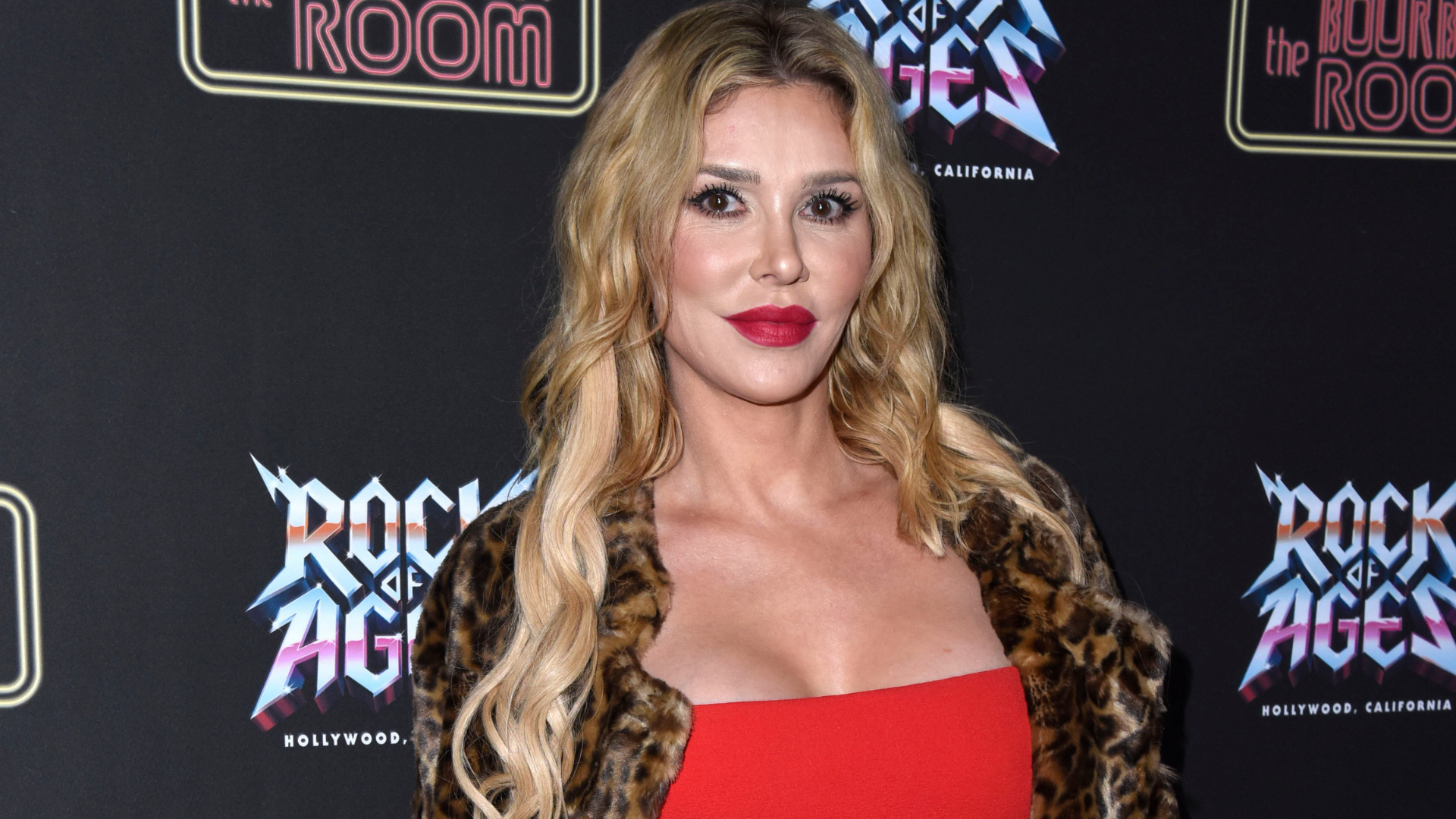
“Leah McSweeney, my dear friend, congratulations,” Brandi Glanville posted on Instagram the same day she unveiled a fresh update on her recovery from a facial infection. The former Real Housewives of Beverly Hills star’s post not only shared medical details but also sent a clear message of solidarity with the woman who had just closed a long‑running legal battle against the reality‑television network that once made both of them household names.
The timing feels deliberate. With her first post‑surgery glimpse in months, Glanville chose to honor a friend whose story had been unfolding for years—a story that began on the bright lights of The Real Housewives of New York City and escalated into a lawsuit that challenged the very foundations of Bravo’s production practices. By pairing her own vulnerable recovery with a public endorsement of Leah McSweeney’s victory, Glanville highlighted the intersection of personal struggle and industry accountability in a way that resonates with audiences who’ve watched both women navigate the highs and lows of reality TV fame.
In the following three sections we explore how a friendship forged on a reality‑show set evolved into a public stand, the legal backdrop that framed McSweeney’s fight, and what this partnership might mean for the future of reality‑tv creators and their stars.
Background & Context
Leah McSweeney’s name entered the public consciousness as a cast member on The Real Housewives of New York City from 2020 to 2021, a period that saw her candidly discuss her battle with alcohol. A pivotal moment came in a 2020 episode when she confided in her mother that her drinking began in her teens, a revelation that set the stage for later controversies. Within the same season, the network’s handling of her storyline—depicting her sobriety as a dramatic arc—prompted questions about editorial ethics and the potential exploitation of personal hardships for ratings.
These questions crystallized into a formal lawsuit filed in 2024, in which McSweeney accused Bravo and its show producer, Andy Cohen, of misrepresenting her substance‑use struggles and violating her privacy. The suit also touched on alleged misconduct by Cohen, including claims of drug use in a professional context, allegations that were vehemently denied by Cohen’s representatives. Throughout the legal wrangling, McSweeney’s narrative shifted from a personal struggle to a broader critique of how reality‑TV networks sometimes prioritize sensationalism over the well‑being of their talent.
After a protracted legal battle that spanned two years, a confidential settlement was reached in late 2026. While the specifics of the agreement remain undisclosed, reports suggest that Bravo acknowledged the merit of McSweeney’s claims and granted her a favorable resolution. The settlement was described by her attorney, Gary Adelman, as a moment of pride and proof of her perseverance, a sentiment echoed by many who followed the case from its inception.
Glanville’s public endorsement of McSweeney’s settlement—alongside her own health update—underscores a growing trend in which former reality‑TV personalities use their platforms to advocate for ethical standards within the industry. It signals a shift away from the one‑dimensional celebrity culture that once dominated the genre toward a more nuanced dialogue about transparency, consent, and the mental health of those who become living advertisements for the networks that produce them.
What People Are Saying
Brandi Glanville’s Instagram message was met with swift praise from fans who have long followed both women’s journeys. Viewers who remember the camaraderie that developed between Glanville and McSweeney on the set of RHOBH appreciated the sentiment that the former Bravo star “talked and is so happy for her on settling her suit.” Comments highlighted Glanville’s role as a “friend” and a “supporter” who recognized the long arc of McSweeney’s legal pursuit, noting that the actress “has a very strong case” and that the network “took advantage” of her sobriety.
The online community also drew attention to the broader implications of the settlement. Many fans and social‑media commentators expressed hope that the outcome would serve as a wake‑up call for networks that routinely capitalize on the vulnerabilities of their stars. Some pointed out that McSweeney’s public discussions of her struggle with alcohol could inspire other reality‑TV participants to speak openly about mental health and addiction without fear of exploitation or backlash.
Industry insiders, while not commenting directly on the case, acknowledged that a settlement of this nature—particularly one that remains confidential—suggests a willingness on the part of Bravo to negotiate terms that protect the interests of its talent. Observers noted that the resolution may influence future contractual arrangements, encouraging more explicit clauses around personal storylines and the protection of participants’ mental well‑being.
The conversation also extended beyond the immediate fans to a wider audience who were less familiar with the intricacies of reality‑TV production. Many readers expressed surprise at the depth of the legal dispute, with some remarking that “it’s been years in the making” and that the resolution “felt like a moment of justice.” For many, Glanville’s solidarity offered a sense of closure that extended beyond the contractual realm, underscoring the importance of supportive friendships in the high‑pressure world of televised entertainment.
What Happens Next
With the settlement behind them, both Glanville and McSweeney face new opportunities to shape the narrative of reality‑TV ethics from the outside. McSweeney has hinted at a possible venture into advocacy work, aiming to create a platform that helps current and former reality‑TV personalities navigate the often‑murky waters of contractual obligations and personal privacy. By sharing her own story, she hopes to foster a more supportive environment for those grappling with the pressures of public life.
Glanville, meanwhile, has already begun to articulate her stance on the issue through a series of interviews and panel appearances. She has expressed a desire to use her visibility to promote mental‑health awareness and to push for better industry standards that prevent the exploitation of personal hardships. Her recent surgery update—highlighting the removal of black masses from her face—has also spurred discussions about the often‑hidden health challenges reality‑TV stars confront, further amplifying her advocacy efforts.
On the network side, Bravo may reevaluate its production guidelines, especially regarding how it handles sensitive personal storylines. While no formal statement has been released, the settlement could signal an impending shift toward greater transparency and more robust safeguards for cast members. It remains to be seen whether other former Bravo stars will follow McSweeney’s lead in bringing similar legal challenges to the forefront.
As for the public, the conversation is poised to shift from watching reality‑TV drama to engaging with the real-life implications of those stories. Fans may demand greater accountability from networks, and social‑media platforms could become more vigilant in monitoring the portrayal of mental health and addiction on televised shows. The settlement, and Glanville’s vocal support, may spark a wave of reforms that alter the landscape of reality entertainment.
The next few months will likely see McSweeney and Glanville collaborating on public appearances and speaking engagements. They may also collaborate on projects that emphasize authenticity and support, possibly culminating in a podcast or book that chronicles their experiences within the industry. Such endeavors could serve as a bridge between reality‑TV audiences and the industry’s behind‑the‑scenes challenges, ensuring that the personal stories that once drove ratings now serve as catalysts for change.
In an industry that thrives on conflict and spectacle, the resolution of a long‑standing legal dispute and the public declaration of solidarity between two former stars marks a pivotal moment. It signals that even amid the glare of cameras and the pressure to perform, friendships can provide the foundation for advocacy and accountability, offering a more compassionate view of the complex world of reality television.
---
The Bottom Line
At MyWorldPulse.com we see Brandi Glanville’s public endorsement of Leah McSweeney’s settlement as a watershed moment in reality‑television history. It demonstrates that former stars can—and should—use their platforms to champion ethical standards and protect the very individuals they once profited from. The confidential $2 million settlement is not just a financial win; it is a symbolic acknowledgment that Bravo’s prior practices were untenable. Glanville’s personal health narrative dovetails with McSweeney’s legal triumph, creating a compelling narrative of resilience and reform. This moment offers audiences a rare glimpse into the behind‑the‑scenes struggles that fuel reality drama, urging viewers to demand transparency and accountability. The industry, too, must heed this signifier: a shift toward genuine consent, balanced storytelling, and mental‑health safeguards is not optional—it is essential for sustainable growth. We applaud these courageous women and anticipate a new era where reality‑TV thrives on authenticity rather than exploitation.
Reference:
- Official post on the person's verified social media account
- Official post on the person's verified social media account
Read more celebrity news at MyWorldPulse.