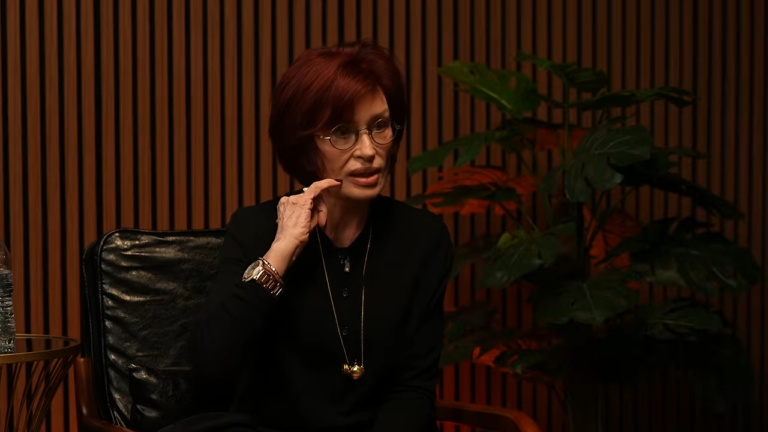
A packed Roppongi Hills theater erupted into applause when Director Kore‑eda Hirokazu, famed for Shoplifters, stepped onto the stage and declared that Japanese cinema finally deserved its global stage. In a whirlwind 30‑minute talk hosted by the Tokyo International Film Festival’s Kering Women in Motion program, the room was filled with stars and producers who had shaped a decade of Japan’s film renaissance, including actor Ninomiya Kazunari, Academy Award winner Amy Homma, and ‘Kokuho’ producer Murata Chieko. The event was one of the festival’s high‑profile moments as it celebrated its 40th anniversary and set the tone for a future where Japanese stories might find a broader, more vibrant audience.
The gathering took place at Toho Cinemas Roppongi Hills, a venue known for hosting premieres and industry panels. The crowd, numbering in the thousands, was a mix of cinephiles, media professionals, and industry insiders. Kore‑eda’s remarks were brief but punchy, citing the increasing curiosity of international audiences at festivals worldwide and urging stakeholders to seize this momentum. The presence of high‑profile figures like Ninomiya, Amy, and Murata underscored the collaborative spirit of the event, signaling that Japanese cinema is no longer a niche art form but a formidable player on the world stage. The festival’s theme—celebrating women’s contributions to cinema—was amplified by the inclusion of female talent across the panel, echoing a broader push for diversity and representation.
Background & Context
The Tokyo International Film Festival (TIFF) has long been a pivotal platform for Asian cinema, but its 40th iteration marks a milestone that echoes a decade of renewed global interest in Japanese storytelling. Founded in 1979, TIFF has consistently showcased Japanese auteurs and nurtured emerging talent, yet the city’s cinematic output has often been eclipsed by Hollywood’s dominant narrative. In recent years, however, films like Shoplifters, Rashomon (re‑released), and Parasite have proven that Japanese narratives resonate across cultures. TIFF’s leadership, spearheaded by returning director Takeo Hisamatsu, sees this as a launchpad for more ambitious projects and wider distribution deals.
Kering Women in Motion, a sister program of TIFF, was created to spotlight women’s roles behind the camera and on screen. By aligning the program with the festival’s anniversary, organizers aimed to underscore Japan’s growing influence in global cinema while also championing female creativity. The inclusion of industry heavyweights—actor Ninomiya Kazunari, whose work spans both commercial and art‑house films, Academy Award‑winning Amy Homma, and seasoned producer Murata Chieko—serves to demonstrate that the Japanese film ecosystem is diverse and capable of international collaboration.
Meanwhile, festival director Takeo Hisamatsu, who returned to helm TIFF for its 40th year, has been outspoken about the need for increased funding and a more festive atmosphere to elevate Japan’s cinematic profile. His calls for “more money, more parties, and a bigger global profile” reflect a strategic shift: moving from merely showcasing films to actively marketing Japanese talent to distributors, streaming platforms, and international audiences. This pivot is a direct response to the growing appetite for non‑English content in global markets, an appetite that saw a 12% rise in Asian content consumption worldwide over the past two years.
What People Are Saying
When Kore‑eda opened the event, he referenced a recurring sentiment he hears at international festivals: “Japanese films are really interesting, and I keep seeing people ask why we don’t get more exposure.” His words resonated with the room, as many present had felt a similar frustration. The actor Ninomiya Kazunari, known for his work in both commercial blockbusters and critically acclaimed dramas, nodded in agreement, hinting at a desire to see more of his generation’s work screened beyond Japan’s borders. Amy Homma, whose recent work has garnered acclaim from international critics, shared a quiet acknowledgment that the industry is at a crossroads, where the next step could either be inward reflection or bold outreach.
Murata Chieko, producer of the contemplative drama Kokuho, added that funding gaps still hinder the export of Japanese films. She explained how production budgets have historically been conservative, limiting the ability of filmmakers to adapt their projects for global audiences. Takeo Hisamatsu, who has a reputation for sharp business acumen, countered that the festival’s next agenda will focus on attracting sponsorships and establishing partnerships with foreign distributors. His emphasis on “parties” is more than a throw‑away phrase; it hints at a strategic use of high‑profile events to create buzz and secure distribution deals. He stated that by creating a festival atmosphere that attracts global media and industry leaders, TIFF can become a magnet for investment.
Kore‑eda’s call for a global spotlight was met with applause and a renewed sense of urgency among the audience. The conversation turned from celebratory to action‑oriented, with several participants suggesting concrete steps: co‑production agreements with Asian streaming giants, targeted marketing campaigns in key markets like the U.S. and Europe, and leveraging the festival’s platform to secure festival screenings that could lead to awards season eligibility. This dynamic shift underscores that the event was not just a retrospective look at Japan’s achievements but also a strategic planning session for the next decade of Japanese cinema.
What Happens Next
Following the talk, TIFF’s 40th anniversary program will continue to spotlight Japanese talent through a curated slate of films, retrospectives, and panel discussions. The festival’s schedule already includes a dedicated “Japanese Storytellers” section, featuring both veteran filmmakers and fresh voices who are pushing the boundaries of genre and narrative. In addition, the Kering Women in Motion initiative will host a series of workshops aimed at empowering women filmmakers with the skills needed to navigate international co‑production and distribution landscapes.
Financially, the festival has secured a new partnership with a major streaming platform, promising to license a selection of its showcased films for global audiences. This deal is expected to provide a steady revenue stream and wider exposure for emerging Japanese filmmakers. Meanwhile, Takeo Hisamatsu’s call for more funding is not merely rhetorical; the festival board has announced plans to allocate a portion of its budget toward a “Global Outreach Fund,” designed to subsidize international marketing and travel for selected projects.
Industry insiders predict that the momentum generated by the 40th anniversary could lead to an increase in the number of Japanese titles appearing in overseas film festivals over the next two years. There is speculation that the festival’s heightened visibility might encourage foreign producers to seek co‑production deals, thereby providing Japanese filmmakers with both financial resources and access to global distribution networks. If these initiatives take root, the next wave of Japanese cinema could see a significant expansion in international box office revenue, mirroring trends observed with Korean and Indian films in recent years.
Closing the loop, the event concluded with a collaborative photo‑op featuring Kore‑eda, Ninomiya, Amy, Murata, and Takeo, symbolizing the unity of Japanese cinema’s past, present, and future. The applause that followed was more than a courtesy; it was a clarion call to stakeholders across the globe, urging them to join in redefining the narrative of Japanese filmmaking. With the 40th anniversary behind it, TIFF stands poised to usher in a new era where Japanese stories do not just resonate within Tokyo’s borders but echo in theaters, streaming screens, and cultural conversations worldwide.
The Bottom Line
MyWorldPulse firmly believes that Kore‑eda’s rally is more than a speech—it is a manifesto for a new era of Japanese filmmaking. By declaring that Japan’s stories deserve a global stage, he has challenged a century‑old paradigm of cultural isolation. The strategic push for streaming deals, a Global Outreach Fund, and a robust focus on women’s creative voices sets a blueprint for sustainable growth. Audiences worldwide will soon be treated to richer narratives that reflect Japan’s unique cultural tapestry, while filmmakers gain the resources and visibility to compete on an international level. This is a watershed moment that validates Japan’s talent and signals a shift toward inclusive, collaborative storytelling that transcends borders. MyWorldPulse applauds TIFF’s leadership and calls on industry stakeholders to seize this opportunity, ensuring that Japanese cinema not only shines locally but also commands the global spotlight it rightfully deserves.
Reference:
- Kore‑eda Hirokazu's official tweet announcing his Tokyo talk
- TIFF 40th Anniversary press release
Read more celebrity news at MyWorldPulse.