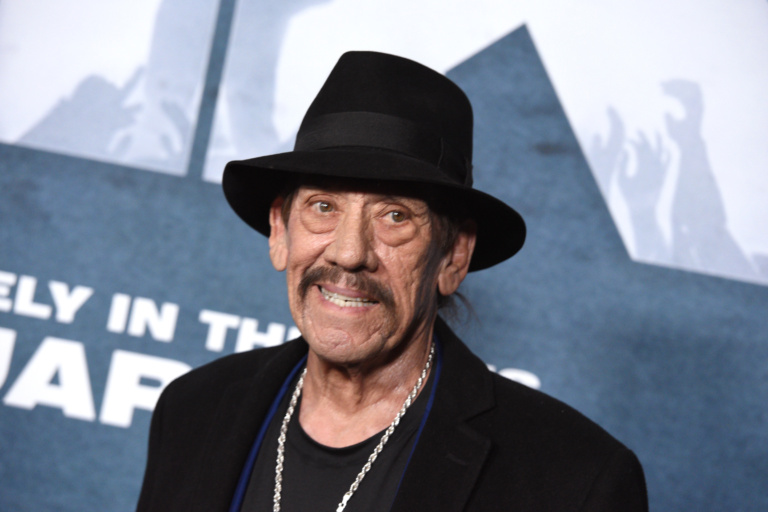
The world of television was jolted by the death of RJ Mitte, the actor who brought Walter White Jr. to life on one of the most talked‑about shows of the past decade. Monday morning in Texas, the news of his suicide spread like wildfire, leaving a trail of heartbreak across the fan community, the industry, and the disability‑rights movement he had championed for years. The final, most unsettling detail was not the headline itself but the image that emerged: a quiet, private life taken far too soon, while his public legacy—marked by performance, advocacy, and authenticity—still shines bright.
Mitte’s journey began on a modest set where, at just 14, he was cast in a role that would become the cornerstone of a cultural phenomenon. In 2008, the first episode of Breaking Bad aired, and the world watched a young actor with cerebral palsy deliver lines with a blend of vulnerability and determination that resonated with millions. Over the next five years, he evolved from a child on set to a mature performer, simultaneously building a platform for people with disabilities, founding a philanthropic organization, and sharing his story on a late‑night podcast.
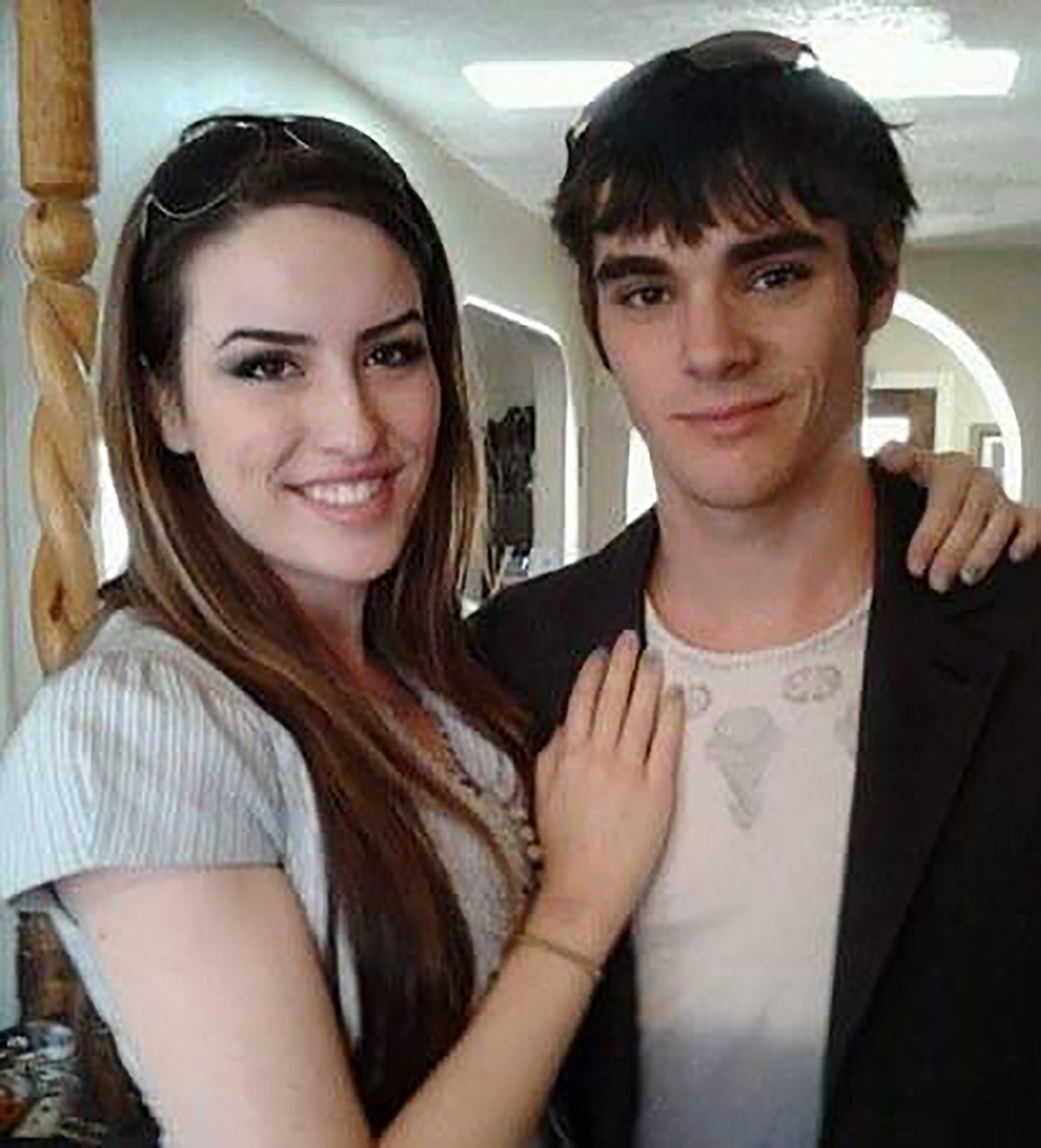
The announcement of his death, confirmed by his representatives, sparked an immediate wave of grief. Fans on social media posted tributes, some recalling the first time they watched him struggle to hold a prop or celebrate a small triumph on set. An ex‑girlfriend, known publicly as Saint Sasha, wrote, “RJ was the first person to show me how a man is supposed to treat a woman,” a poignant reminder that his loss cuts deeper than the screen. The narrative surrounding his passing unfolded alongside a broader conversation about mental health and the pressures that accompany fame, especially for individuals with visible disabilities.
Background & Context
Born in 1989, RJ Mitte grew up battling the challenges of cerebral palsy while navigating a childhood that demanded both physical and emotional resilience. When the producers of Breaking Bad were looking for a young actor who could authentically portray Walter White Jr., Mitte’s audition—filled with genuine emotion and a natural comedic timing—landed him the role that would define his early career.
From 2008 to 2013, Mitte appeared in every episode of the series, earning acclaim for his portrayal of a boy who, despite his physical limitations, displayed a sharp wit and a fierce loyalty to his family. The show’s success, which earned multiple Emmy nominations and cemented its place in television history, gave Mitte a platform that he used strategically. He became an outspoken advocate for disability rights, using his visibility to challenge stereotypes and push for greater inclusion both in media and society at large.
Parallel to his acting, Mitte founded a nonprofit organization focused on providing resources and support for people living with disabilities. He often spoke at conferences, encouraged young performers with disabilities to pursue their passions, and worked with schools to promote inclusive curricula. In 2023, he recorded a podcast episode with The Joe Vulpis Podcast, where he discussed the intersection of personal experience and advocacy, offering listeners an intimate look at the struggles and triumphs of living with cerebral palsy.
The final years of Mitte’s life were marked by a continued commitment to these causes. He was scheduled to appear in a new podcast series on disability awareness and was reportedly preparing a short film that would feature his own story. His public presence remained steady, but the personal weight of his battles, hinted at in his social media posts, hinted at a darkness that ultimately proved fatal.
What People Are Saying
The death of a young, talented actor with a visible disability reverberated throughout the Breaking Bad cast, many of whom shared their grief publicly. Bryan Cranston, who played Mitte’s on‑screen father, posted a tear‑filled message that read:
> “I’m in deep despair as I write this tonight. RJ Mitte, my sweet son on Breaking Bad has died. I met him when he was only 14 years old when he was cast as Walter White Jr., a part he played with such joy and enthusiasm.”
His words underscored the bond that had formed between the two actors over five years of filming, a bond that transcended the fictional family depicted on screen. Aaron Paul, known for his portrayal of Jesse Pinkman, reflected on the loss with a similar tone, saying:
> “I am at a loss. I am heartbroken over this news. RJ, I love you my friend. You will be missed.”
Dean Norris, who portrayed Hank Schrader, added that the loss “is especially devastating to hear that he took his own life,” echoing the collective sorrow of the cast. Matt Jones, who played the role of Jesse’s friend, echoed the sentiment of a community left in shock.
Fans flooded social media with memories, screenshots, and heartfelt condolences. Many shared photos of Mitte on set, often captioned with a reminder that the actor was more than a character, but a real person whose passion touched millions. Amid the grief, several public figures and organizations urged those struggling with mental health to seek help, promoting the national suicide prevention line 988.
The collective response also highlighted a deeper conversation about the mental health of public figures, particularly those with visible disabilities. Many argued that while Mitte’s advocacy helped raise awareness, the stigma and isolation that still surround disability could have contributed to his struggles. The industry now faces the question of how to provide better support for those in the spotlight, especially when the line between personal hardship and public expectation is so thin.
What Happens Next
The immediate next step for the Breaking Bad community is to organize a remembrance event that honors Mitte’s legacy. Rumors circulate that the cast and crew are planning a tribute screening of select episodes, accompanied by a short documentary highlighting his activism and personal journey. A fundraising campaign for his nonprofit is also in the early stages, with several co‑stars pledging to donate a portion of their upcoming royalties to continue the work Mitte started.
In Texas, the official death notice confirms that the family wishes privacy, but an arranged memorial service is expected to be announced in the coming weeks. The foundation Mitte founded has expressed a desire to expand its reach, potentially hosting workshops for young performers with disabilities and partnering with film schools to promote inclusive casting practices. The foundation’s board is currently reviewing a plan to dedicate a scholarship in Mitte’s name, aimed at supporting emerging actors with disabilities.
On a broader scale, the television industry may take a moment to reassess its responsibilities toward actors dealing with mental health and disability. A handful of production studios have begun to pledge mental‑health resources and support systems, in part inspired by the tragedy of Mitte’s passing. The conversation that has erupted across social media and industry panels now focuses on concrete steps: from on‑set counseling to public advocacy, from inclusive hiring to destigmatizing mental illness.
The loss of RJ Mitte, a young, talented, and fiercely authentic voice, leaves a void that will be felt across both the fan base and the communities he served. The road ahead will require a collective effort to honor his memory and ensure that his legacy continues to lift up those who, like him, navigate a world that often underestimates their resilience.
The world of television has lost one of its brightest young stars, but the impact of his life—his performances, his activism, and his authenticity—remains a beacon for generations to come. The story of RJ Mitte serves as a stark reminder that the glimmer of the spotlight can only do so much to illuminate the darkness that sometimes shadows a life. The industry, fans, and advocates alike will need to keep his memory alive by embracing the compassion and inclusivity he championed so passionately.
The Bottom Line
The entertainment world is at a crossroads. RJ Mitte’s death exposes the glaring lack of comprehensive mental‑health support for actors with visible disabilities, a group already navigating the double jeopardy of performance pressure and societal stigma. As studios announce counseling programs and inclusive hiring policies, we must question whether these measures will be robust enough to prevent similar tragedies. The industry’s responsibility extends beyond token gestures; it requires institutional accountability, transparent reporting, and dedicated resources that address the unique challenges faced by performers like Mitte. Moreover, the outpouring of grief from colleagues and fans is a reminder that these individuals are more than their on‑screen personas—they are mentors, advocates, and human beings. To honor Mitte’s legacy, the industry must not only fund his nonprofit and scholarships but also embed sustainable mental‑health frameworks within the very fabric of production. Only then can we transform his heartbreaking loss into a catalyst for lasting, systemic change.
Reference:
- Official post on RJ Mitte’s verified Instagram account
Read more celebrity news at MyWorldPulse.