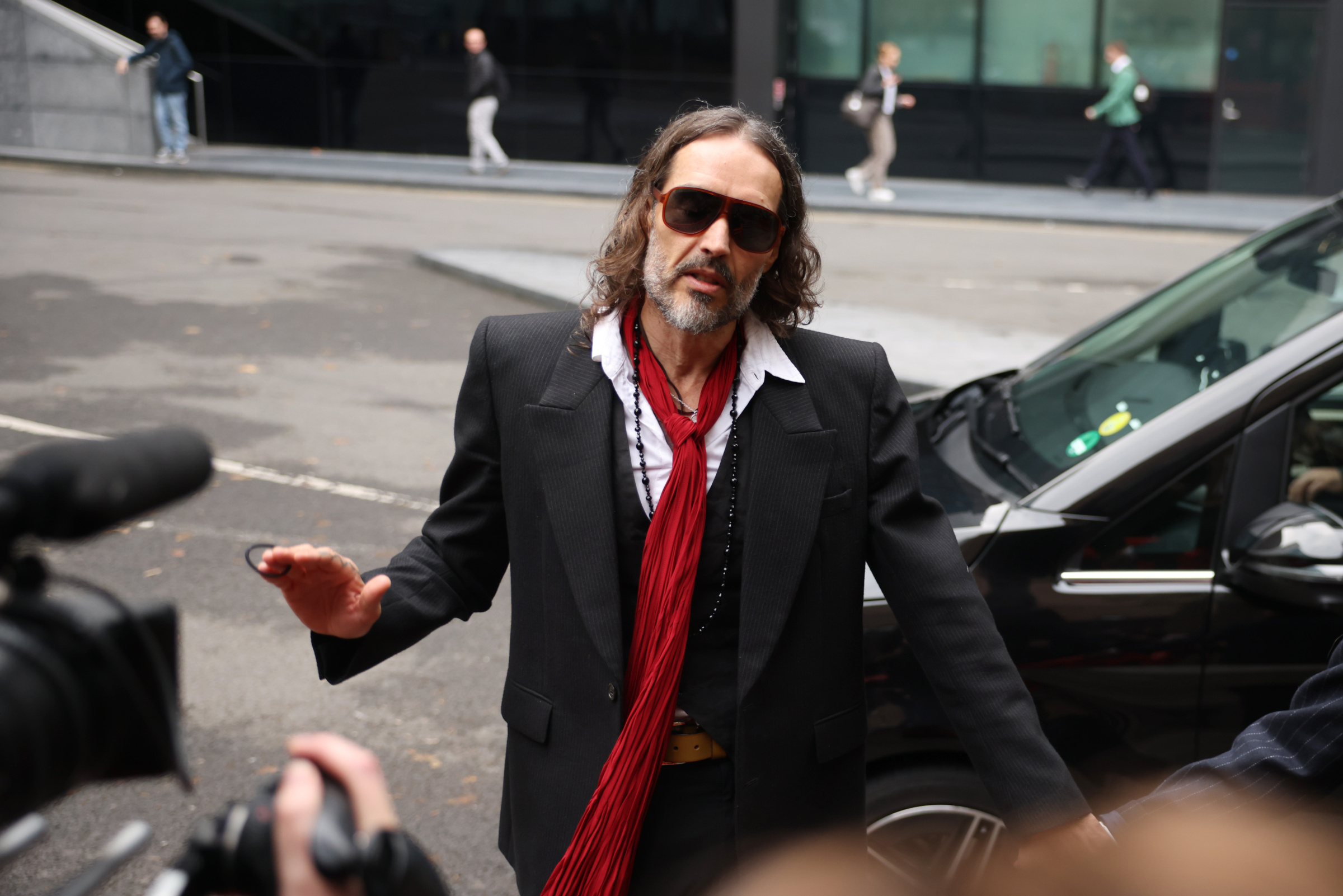
The first time the headline hit screens, fans lit up Twitter, TikTok, and Reddit with disbelief, memes, and a flurry of outrage. Within minutes, hashtags like #BrandJustice and #SecureThePrison trended, as millions of netizens debated whether a man who had once entertained them could be housed safely in a state facility. The shock was twofold: not only had the disgraced comedian been sentenced to ten years and six months for raping a woman and assaulting three others, but an inspection had flagged 101 critical repairs that could jeopardize security before his arrival. The revelation forced an urgent scramble to patch the prison and sparked conversations about how institutions handle high‑profile inmates.
Russell Brand, once a staple on late‑night panels and a beloved TV host, found his public image eclipsed by a court verdict that sent him to a maximum‑security prison. The case, which culminated in a 10‑year‑six‑month sentence on Monday, was rooted in a series of sexual assault allegations that had haunted him for years. A new development arrived two weeks later: a 37‑year‑old woman, who had previously gone by “Alice” in the investigations, stepped forward and claimed she was the victim of Brand’s predatory advances when she was 16. Her story unfolded alongside the prison’s alarming state, creating a media storm that forced the justice system to confront both personal accountability and institutional readiness.
The fan reaction was immediate and polarized. Some defended Brand’s right to a fair trial and questioned the fairness of the public shaming, while others demanded stricter oversight of the prison to prevent any chance of misconduct. Memes proliferated, parody videos of Brand’s former shows were reposted, and several fan pages called for a boycott of any new projects involving the comedian. The public’s collective voice underscored a broader reckoning with celebrity privilege and the mechanisms of punishment in the UK.
Background & Context
Russell Brand’s legal woes began long before his sentencing. Over the past decade, a pattern of sexual misconduct allegations emerged, ranging from unwanted advances to outright assault. The most recent case culminated in his conviction in early February for raping one woman and sexually assaulting three additional victims. The sentencing, delivered by a judge in a packed courtroom, was a stern warning that such behavior would not be tolerated, even for those who once held the spotlight. Brand’s 51‑year‑old status at the time of the verdict placed him among the most notorious high‑profile offenders in recent UK history.
Parallel to the courtroom drama, a separate investigation—initiated in January—saw the Metropolitan Police receive an allegation of rape from an unnamed victim. Detectives consulted the Crown Prosecution Service to determine the best path forward, but were advised that further evidence was necessary before charges could be formally brought. The investigation remains open, and officers have expressed a commitment to compiling the strongest possible case, acknowledging the distress that the delay has caused for the survivor. The decision not to include the survivor’s allegations in the Brand trial was linked to the fact that she had already shared her experience publicly; prosecutors deemed it prudent to keep the separate investigation distinct.
The prison transfer itself was marred by an inspection that identified 101 outstanding repairs deemed security risks. These deficiencies ranged from malfunctioning locks and damaged fencing to inadequate surveillance systems. The prison authorities faced immediate pressure to address these flaws before Brand’s arrival, prompting a rush of contractors and a re‑evaluation of safety protocols. The incident highlighted a systemic issue: the need for thorough, ongoing maintenance in facilities that house individuals who pose a potential threat to public safety. Critics argued that overlooking such repairs risks compromising the well‑being of both staff and inmates, and could undermine the integrity of the justice system.
What People Are Saying
The revelation of Mia Latter’s identity ignited a wave of conversation across social media and in private circles. Latter, who has spent almost two decades keeping her story confidential, spoke candidly about the emotional toll of stepping forward. She recalled the moment she met Brand in Leicester Square, a chance encounter that spiraled into a three‑month relationship when she was just 16 and he was 30. Latter recounted that Brand’s behavior was predatory from the start: he demanded secrecy, used demeaning language such as “the child,” and pressed for sexual contact despite her reluctance. Her description of Brand’s insistence on secrecy—asking her to keep their relationship hidden even from friends who knew of him—painted a stark picture of manipulation and abuse.
Supporters of Latter’s disclosure have framed it as a courageous act that could spur policy change. Advocates for teen protection argue that her experience underscores the need for stronger safeguards against predatory behavior by adults in positions of influence. They point to the broader context of the Brand case to highlight systemic failures that allowed an older celebrity to exploit a minor for nearly two decades. Conversely, some commentators warned that the public scrutiny could distract from the formal legal proceedings, noting that Latter’s allegations were not part of the criminal trial. They suggested that the focus should remain on the evidence presented in court, rather than the parallel investigations.
Meanwhile, the prison’s security concerns have also drawn attention. Former inmates and prison staff have weighed in on the importance of proper maintenance, with many stressing that any lapse could compromise the safety of everyone involved. The discussion has expanded beyond Brand’s case to question how facilities handle high‑risk offenders in general. The public’s reaction was amplified by viral clips that compared the prison’s state to the dramatized settings seen on television, fueling a debate about whether the justice system can keep pace with the expectations of an informed, socially connected populace.
What Happens Next
In the coming weeks, the court will continue to scrutinize the evidence that led to Brand’s conviction, while the Metropolitan Police maintain that their separate investigation remains active. If the evidence proves sufficient, prosecutors could file additional charges that would extend Brand’s incarceration and potentially alter the nature of his confinement. The prison authorities are expected to complete the 101 repairs within the next month, ensuring that the facility meets the required safety standards before Brand’s arrival. A review of the prison’s protocols may also lead to increased oversight and stricter measures for housing high‑profile inmates, particularly those with histories of sexual misconduct.
For Mia Latter, the public exposure marks a pivotal moment in her advocacy. By publicly identifying herself, she has positioned her narrative as a catalyst for legislative reform aimed at protecting teenagers from predatory adults. Her testimony could prompt policymakers to re‑evaluate age‑of‑consent laws, enhance reporting mechanisms, and strengthen the support structures available to young victims of sexual exploitation. Additionally, her story may inspire other survivors to come forward, fostering a broader culture of accountability.
Meanwhile, the conversation about prison security will likely extend beyond Brand’s case. Experts in corrections and civil society groups are calling for a comprehensive audit of state prisons, arguing that infrastructure failures could undermine public trust. The government may respond with funding allocations to upgrade facilities, increased training for staff, and transparent reporting of maintenance issues. This could set a new standard for how institutions manage high‑risk offenders and address systemic vulnerabilities.
The public’s reaction to these developments will continue to shape the narrative. Social media trends will keep Brand’s story in the spotlight, while advocacy groups will use the momentum to push for concrete changes in both the justice system and the safeguarding of vulnerable populations. The outcome of the ongoing investigations and the prison’s renovation efforts will determine whether this chapter ends with a reaffirmation of justice or a deeper questioning of how society protects itself from those who once held its admiration.
The Bottom Line
From MyWorldPulse.com’s perspective, the Russell Brand saga is a warning that fame does not grant immunity from the law, nor does it exempt institutions from scrutiny. While fans were split between defending Brand’s right to a fair trial and demanding stricter prison oversight, the underlying truth remains: the public expects accountability that is both swift and substantive. The 101 repair failures reveal a negligence that could endanger lives, and the urgency to address them is a lesson for every state that houses high‑risk offenders. In entertainment, reputations can be built and shattered in seconds, and this episode demonstrates that the audience is now demanding more than just talent—they want ethical consistency. Brands, producers, and studios must therefore embed rigorous vetting and transparent practices into their business models. If they fail, the backlash will be louder and more permanent than any headline. The industry must harness this moment to push for genuine reforms in both celebrity conduct and prison safety—otherwise, the cycle of scandal and silence will repeat, to the detriment of society and the very art form it loves. — MyWorldPulse.com
Reference:
- Official post by Russell Brand on Twitter
Read more celebrity news at MyWorldPulse.