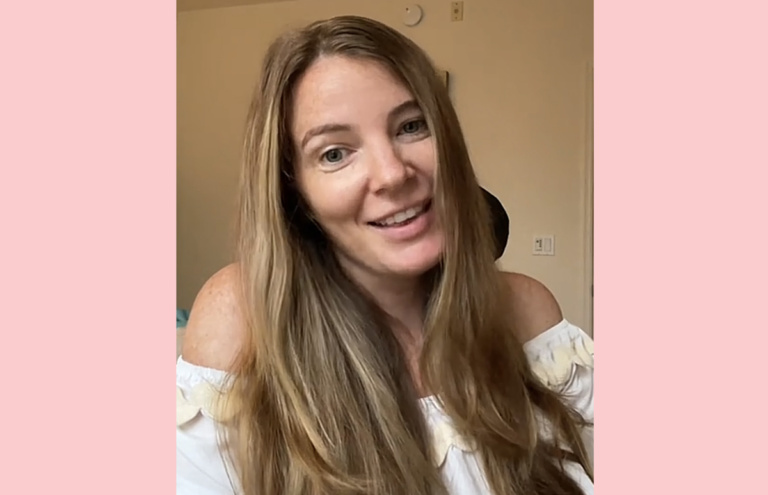
Jenny McCarthy moves into a tent, saying mold poisoning left her no choice
Jenny McCarthy, the former MTV personality now a television host, surprised viewers last week when she revealed she was living in a tent outside her Los Angeles home. The 53‑year‑old, known for her outspoken advocacy on health and wellness, described a two‑year battle with mold‑related illness that culminated in a “mold detox” so intense that she feels she can’t sleep indoors.
Her confession aired during the Wednesday episode of The Jenny McCarthy Wahlberg Show. McCarthy recounted how a routine toothache in October 2024 set off a chain of medical crises: multiple dentists, oral surgery that failed to resolve infections, and a series of unexpected growths—including cysts on her eyelids that raised cancer concerns. The toll on her immune system and the constant worry that the mold could trigger seizures led her to a diagnosis of mold and mycotoxin poisoning in December of the previous year. Since then, she has endured a rigorous treatment schedule that includes daily infrared saunas, vitamin protocols, and plasma exchange therapy.
The situation, while deeply personal, echoes a broader conversation about environmental health hazards in modern homes. McCarthy’s candid testimony offers a rare glimpse into the lived experience of mold exposure—an issue that often remains invisible until it manifests in severe health complications.
---
Background & Context
Mold exposure has long been a hidden threat in many residential settings, yet it often takes an extreme health crisis for families to confront the problem. McCarthy’s Los Angeles residence, reportedly renovated in the early 2020s, reportedly suffered from water damage that fostered black mold growth—a type known for producing mycotoxins capable of crossing the blood–brain barrier. When a dentist first recommended oral surgery, the underlying cause was not obvious; painkillers failed to alleviate her dental pain, prompting a cascade of specialist referrals.
Within weeks, McCarthy was experiencing seizures and severe headaches. A doctor warned her that if mold infiltrated her nervous system, she could face life‑altering neurological damage. In December, after a battery of blood tests and imaging, the diagnosis crystallized: mold and mycotoxin poisoning. Her doctor advised immediate, aggressive detoxification, citing the danger of mold spores perpetuating chronic inflammation.
McCarthy’s story illustrates how environmental toxins can masquerade as routine ailments. A toothache, a seemingly isolated complaint, can be the first symptom of a pervasive indoor contaminant. The narrative underscores the importance of early detection, thorough environmental assessments, and coordinated medical care when symptoms span multiple organ systems.
---
What People Are Saying
Reactions to McCarthy’s disclosure have been varied, reflecting the polarization surrounding environmental health. Some followers of her show praised her for bringing attention to a topic that often receives little mainstream coverage. They expressed solidarity with her “knee‑deep” detox and the courage it takes to live in a tent for a month of treatment.
Others have questioned the severity of her claims, citing a lack of independent testing or expert verification. A small number of skeptics argue that the symptoms described—cysts, seizures, and immune response—could have multiple etiologies unrelated to mold. They point out that her dramatic shift to tent living may be an extreme response to a medical condition that can be managed within a conventional healthcare framework.
Health professionals who have commented remain discreet, citing confidentiality constraints. However, a few clinicians noted that the use of therapeutic plasma exchange—an advanced treatment to remove toxins from the bloodstream—indicates a serious level of exposure. The practice, while not widespread, is increasingly employed for patients with severe mycotoxin poisoning. Infrared saunas, another component of her regimen, are recognized for their ability to promote detoxification via sweat, yet their efficacy remains debated within the medical community.
Amid the debate, fans have rallied around McCarthy’s message of environmental vigilance. Some have shared personal anecdotes about mold-related health issues in their own homes, prompting broader discussions about home inspections, humidity control, and early intervention.
---
What Happens Next
McCarthy’s current status, while still precarious, shows a structured path forward. She is in the seventh month of her detox, a period that typically involves gradual re‑introduction of environmental exposure. The decision to continue tent living, she says, stems from a lingering fear that even minimal contact could trigger a relapse. Her healthcare team is reportedly monitoring her neurological markers closely and adjusting her treatment accordingly.
In the near term, McCarthy plans to continue her treatment regimen and participate in a series of follow‑up appointments. She has expressed interest in sharing her experience in a documentary‑style format that could raise awareness among homeowners, healthcare providers, and policymakers. Additionally, she has hinted at exploring legal avenues to hold builders and contractors accountable for undisclosed mold contamination—a move that could spark policy discussions about building codes and health standards.
For her personal life, McCarthy’s focus remains on restoring her quality of life. She has spoken about the psychological toll—PTSD, hyper‑vigilance, and a sense of being trapped in her own house—and the importance of mental health support. Her upcoming projects include a podcast episode that will feature other individuals who have battled mold poisoning, aiming to create a community of shared experiences and resources.
In the broader context, McCarthy’s case could influence future guidelines on indoor air quality and mold remediation. If her public platform gains traction, it may pressure industry stakeholders to adopt stricter testing protocols and more transparent reporting of environmental hazards in residential properties.
---
Jenny McCarthy’s journey from a routine toothache to a tent‑based detox illustrates the hidden dangers that can lurk in modern homes. While her story sparks debate, it also shines a light on the importance of early detection, comprehensive treatment, and the need for heightened public awareness. As she continues her detox, her experience may prompt a reevaluation of how we evaluate and manage indoor environmental health.
The Bottom Line
The media and the public must treat Jenny McCarthy’s story not as a sensational headline but as a clarion call for accountability in construction and healthcare. Her decision to live in a tent—while dramatic—highlights a failure of the housing industry to prioritize indoor air safety and of the medical system to recognize environmental etiologies of chronic illness. As a leading entertainment outlet, MyWorldPulse recognizes the unique influence our platform wields; we will use this to amplify calls for stricter building inspections, transparent mold disclosure, and accessible detox resources. By championing transparency and evidence‑based solutions, we can turn one celebrity’s struggle into a catalyst for systemic change that safeguards thousands of families who may unknowingly live in mold‑laden environments.
Reference:
- Official post on Jenny McCarthy's verified Instagram account
Read more celebrity news at MyWorldPulse.