In a city where neon flickers against night‑time rain, a film that has trekked 12 years across borders finally returns to the land of its genesis. Yuriko Gamo Romer’s Diamond Diplomacy rolls onto the Tokyo screen, marking a homecoming for a story that traced the unlikely friendship between Japanese and American baseball legends.
The 39th Tokyo International Film Festival, opening with Zeze Takahisa’s Sukiyaki, has become a crucible for narratives that intertwine cultural histories. Amid the roar of a crowd that once cheered a 1963 hit song that still climbs foreign charts, the festival now showcases a film that, like that song, bridges time and place. Meanwhile, the same weekend heralds the first Indonesian‑Kyrgyzstan co‑production, The Land of Jinn, a supernatural horror that will soon tour the world’s arthouse circuits. Even the soap‑opera universe leans into cross‑national collaboration, as General Hospital introduces Troy Lennon Appel as Hudson Parker, a role carved out after an audition for a different character. Together, these events illustrate an industry that increasingly thrives on collaboration, daring to blend stories, talents, and markets across continents.
Background & Context
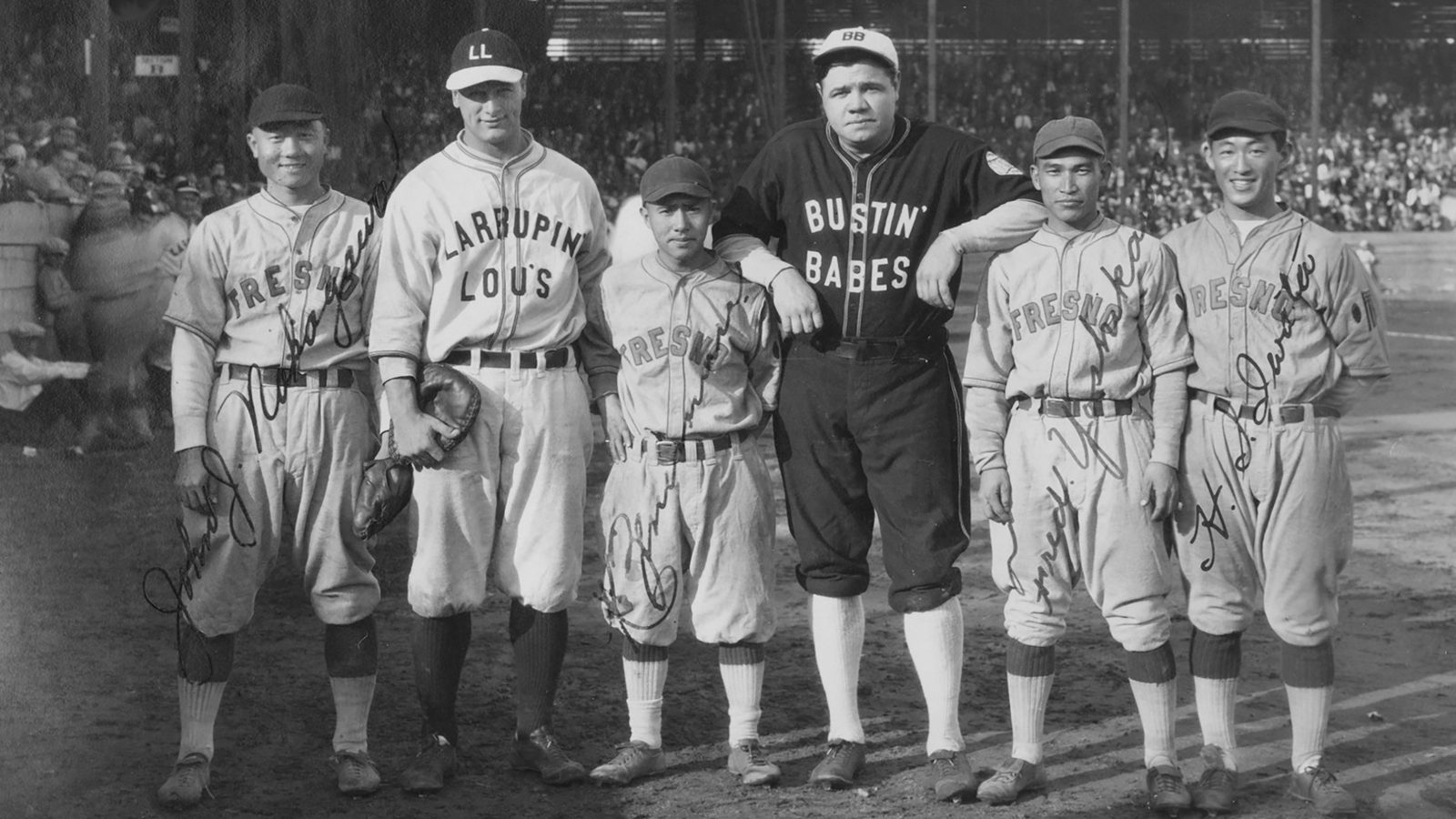
Diamond Diplomacy began as a modest project in San Francisco, with filmmaker Yuriko Gamo Romer and producer Marc Smolowitz weaving together archives, interviews, and on‑field footage that chart the evolving relationship between Japanese and American baseball from the early 20th century to the modern era. The documentary’s 12‑year development mirrors the very historical arc it covers: a slow, steady build‑up of mutual respect and shared passion that transcends politics and language.
The film first made waves on the U.S. festival circuit, earning buzz in cities like Mill Valley and Hot Springs. In a landscape where documentaries vie for attention against blockbuster blockbusters, Diamond Diplomacy carved a niche by marrying sports history with cultural diplomacy. Its journey to Tokyo is emblematic of a broader trend: American films finding receptive audiences abroad, especially in Japan where baseball remains a national pastime.
While Diamond Diplomacy tells a specific tale, the festival’s roster that week signals a new era. Zeze Takahisa’s Sukiyaki revisits a 1963 pop hit that once crossed borders, underscoring how music and cinema can both be vessels of cultural exchange. Kevin Rahardjo’s The Land of Jinn—the first co‑production between Indonesia and Kyrgyzstan—breaks new ground by pairing an Indonesian horror narrative with Kyrgyzstan’s mystical folklore. Even in daytime television, General Hospital demonstrates cross‑casting ingenuity by creating a new character, Hudson Parker, after an actor’s original audition, showcasing a flexible approach to storytelling that values adaptability over rigid casting.
What People Are Saying
Audience reaction to Diamond Diplomacy has been electric. The film’s screening in Tokyo was attended by both Japanese baseball aficionados and Western film lovers, all eager to see how the story recontextualizes the sport’s global footprint. Critics praised Gamo Romer’s deft handling of archival material, noting how the film’s pacing balances reverence with cinematic flair. In interviews, fans whispered that the documentary felt like a time capsule, echoing the sentiment that baseball, as a shared language, transcends borders.
Across the festival, Sukiyaki sparked conversations about cultural openness. Takahisa’s narrative of how a simple pop song became a global phenomenon prompted panelists to discuss how media can evolve from novelty to staple. The film’s message—“the culture used to be wide open – now it’s become narrower”—touched many, resonating with a world that is simultaneously globalized and culturally insular.
Meanwhile, The Land of Jinn has generated buzz among horror enthusiasts, who applaud its ambition to fuse two distinct mythologies. Reviewers highlighted Kevin Rahardjo’s direction, noting that the film balances supernatural thrills with cultural authenticity, a feat that is increasingly rare in genre cinema. Its debut at the Tokyo Gap‑Financing Market has already attracted potential distributors, indicating that co‑productions are not just a novelty but a viable business model.
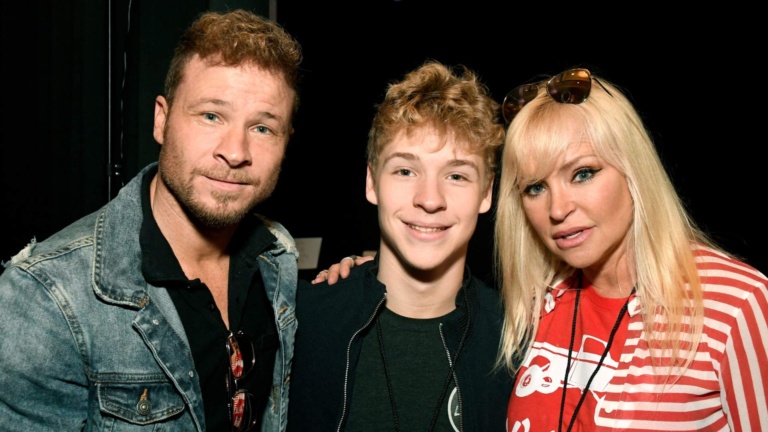
In the realm of daytime television, Troy Lennon Appel’s story has become a talking point for casting directors and fans alike. During a recent podcast interview, Appel explained that he initially auditioned for the role of Detective Joe Fitzpatrick, which ultimately went to Jonathan Bennett. Yet, the producers saw potential and wrote Hudson Parker specifically for him. Appel’s own reflection on the mispronunciation of his surname—pronounced “A‑pel” rather than “Apple”—added a humanizing layer to the conversation, and fellow actor Steve Burton suggested that Appel could simply go by Troy Lennon to avoid confusion. The anecdote illustrates how the entertainment industry remains flexible, willing to pivot creative decisions to accommodate talent.
What Happens Next
Diamond Diplomacy is poised to expand beyond Tokyo. Following its international festival run, the documentary will be acquired by a major streaming platform, expected to reach a global audience eager for sports history and cultural diplomacy. Release schedules indicate a window in late summer, a strategic timing that aligns with baseball season in both countries, potentially boosting viewership. The film’s producers have hinted at a companion series that will delve deeper into individual stories featured in the documentary, offering fans a multi‑layered exploration of the sport’s impact.
Sukhe Takahisa’s Sukiyaki is slated for theatrical release in Japan next month, with plans for a limited U.S. run in arthouse cinemas. A companion documentary detailing the song’s history is also in development, which could broaden the film’s appeal beyond the festival circuit.
The success of The Land of Jinn has opened doors for further Southeast Asian‑Central Asian collaborations. Kevin Rahardjo has already begun scouting for a second co‑production, this time exploring Korean folklore in partnership with a Japanese studio. Distributors are eager to replicate the model that brought The Land of Jinn to the international spotlight, seeing it as a blueprint for low‑budget, high‑impact projects.
On television, General Hospital is set to explore Hudson Parker’s backstory in upcoming episodes, promising to deepen the narrative that emerged from Appel’s serendipitous audition. The character’s arc—helping Josslyn Jacks run her father’s company—offers fertile ground for storylines that blend corporate intrigue with personal drama, a formula that has long sustained daytime serials.
Closing
The convergence of a 12‑year sports documentary, a retro pop‑song biopic, a pioneering horror co‑production, and a soap‑opera casting twist at the Tokyo Film Festival signals a renaissance in cross‑border storytelling. As these projects move into new markets and formats, they underscore an industry that is increasingly collaborative, adaptive, and hungry for narratives that bind cultures together. In a world that often feels fragmented, these films and shows remind us that shared stories—whether on the diamond, in the studio, or on the page—are the glue that holds us all a little closer.
The Bottom Line
At MyWorldPulse.com, we celebrate the bold moves that bring distant stories together. Diamond Diplomacy reminds us that sports can be a universal language, uniting fans from Tokyo to the U.S. in a shared reverence for teamwork and history. The Land of Jinn’s cross‑cultural partnership is a testament to the power of pooling creative resources; it shows that even modest budgets can spark worldwide interest when grounded in authentic folklore. General Hospital’s pivot to a new character born from an audition demonstrates that even entrenched television formats can remain dynamic and responsive to talent. These stories aren’t just entertainment; they are case studies in the evolving economics of film and TV, proving that collaboration, adaptability, and cultural empathy are now essential ingredients for success. As we move forward, the industry must continue to champion such partnerships—because the stories that bridge continents are not only compelling; they are the glue that keeps a fractured world connected.
Reference:
- Official Tokyo premiere announcement by Yuriko Gamo Romer
- Official release announcement by Kevin Rahardjo
Read more celebrity news at MyWorldPulse.