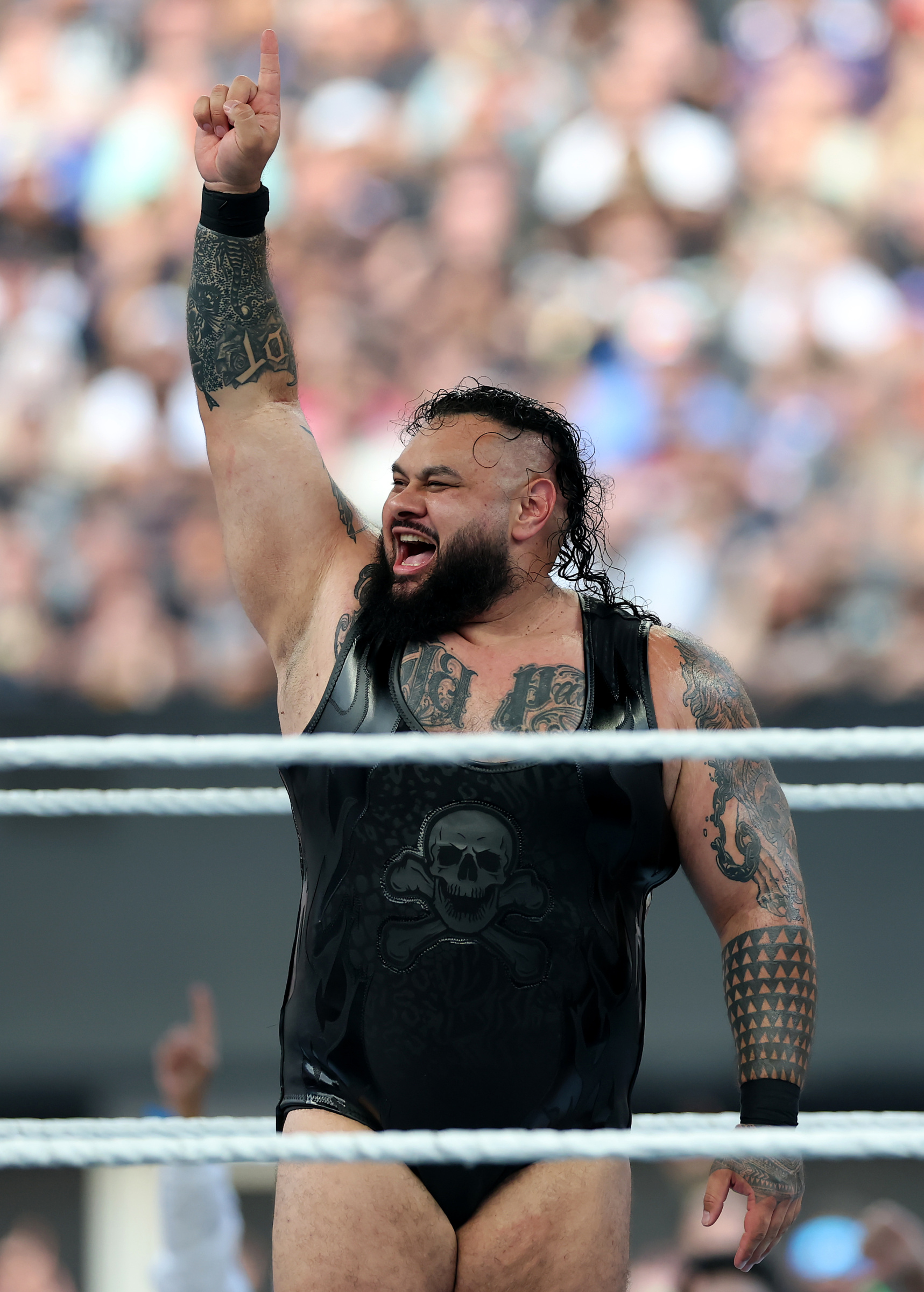
Bronson Reed, 38, the Australian‑born powerhouse who could turn a backstage hallway into a catwalk of steel, died in his home on November 26 after an undisclosed medical emergency, a statement from the wrestling federation announced.
The shock reverberated across the squared‑circle community, where Reed’s booming presence had become a staple of late‑night PPVs, pay‑per‑view brawls, and the occasional backstage laugh. His passing is felt as a loss not only for his towering figure but for the warmth he carried into every backstage handshake and every fan‑filled corner of the arena. The world of professional wrestling, always a blend of spectacle and storytelling, has lost a performer who lived both stories in his own life, with a family that includes a pregnant wife and a young daughter who will never see him flex in the ring again.
Background & Context
Jermaine Haley, known to millions as Bronson Reed, arrived on the global stage in the early 2010s after a stint in the Australian independent circuit. His moniker, a nod to the mythic strength of an ancient warrior, was a perfect fit for a man who could lift a forklift on a live broadcast and make it look effortless. Within a few years, he earned a contract with WWE, where he debuted as a charismatic heel, drawing ire and applause alike with a brawl‑ready grin and a voice that echoed across the ring.
Reed’s in‑ring style was as much about theatrics as it was about brute force. His signature “Thunderclap” finish left crowds gasping, and his catchphrase, “The one to remember,” became a rallying cry for fans who appreciated a wrestler who didn’t just fight, but performed. He carved out a niche in the developmental territories before breaking into the main roster, where he became a fan favourite for his genuine kindness backstage and his ability to elevate younger talent.
Off the ropes, Reed’s life was rooted in family. He was married to a woman who would soon be expecting their second child, and he had a daughter who adored her dad’s larger‑than‑life antics. The wrestler’s social media posts often showcased moments of pride as he watched his daughter’s first steps and celebrated the impending arrival of his new baby. In interviews, he spoke of the importance of balancing a career that demanded physical sacrifice with the tenderness of home life.
The medical complications that led to his untimely death were described in a brief but heartfelt announcement from the wrestling organization, who emphasized that he was a “phenomenal person” and “devoted family man.” Their statement, posted on the federation’s official Instagram, was accompanied by a photo of a closed ring—a silent reminder that the ring, the place where his legacy was forged, had closed its doors for the last time.
What People Are Saying
Social media erupted in a wave of grief, tributes, and a flurry of images that captured Reed’s larger‑than‑life persona. Fans from all corners of the world uploaded videos of their favorite matches, chanting “Bronson, Bronson” as a tribute. Some shared their own moments of wrestling fandom, recalling how Reed’s intensity helped them face their own challenges. Others posted personal stories about how the wrestler’s infectious energy inspired them to pursue their passions, proof of how a performer’s influence extends beyond the ring.
Colleagues in the industry shared heartfelt memories, recalling his dedication to training younger wrestlers and his habit of stopping mid‑match to offer a word of encouragement or a friendly hug. The ringmaster, a veteran of the same promotion, reminisced about a backstage locker‑room conversation where Reed had expressed his hope that every aspiring wrestler would find their own voice beyond the theatrics. His fellow performers described him as a “tough but tender soul,” a combination that made his presence both formidable and beloved.
Beyond the wrestling world, mainstream pop‑culture commentators noted how Reed’s story illustrates the physical toll that a career of constant performance takes on the body. They highlighted how he had been at the peak of his power, yet his untimely death underscores the vulnerability inherent in such a demanding profession. The conversation extended into broader discussions about health and wellness in contact sports, with many advocating for increased support systems for athletes facing medical crises.
The audience reaction also included a renewed interest in the wrestler’s back catalogue. Streaming services saw a surge in viewership for matches featuring Reed, as fans sought to relive his most iconic moments. Bookstores and online platforms stocked his autobiography—though not yet published—proof of the desire to learn more about the man behind the mask. Social media threads dedicated to the “Bronson Moments” created a virtual shrine that kept the memory alive for days after the news broke.
What Happens Next
The wrestling federation has announced that a memorial show will be held in Reed’s honor, with a portion of proceeds going to a charitable fund set up in his name, focusing on health support for wrestlers and their families. While the specifics of the event remain to be finalized, the organization has confirmed that it will showcase matches that paid tribute to Reed’s legacy, featuring wrestlers who once shared the ring with him. The memorial is expected to attract fans from all around the world, uniting them in remembrance of a man who, through sheer force and charisma, made the sport unforgettable.
In the weeks that follow, the federation will likely issue a detailed statement on the circumstances of Reed’s medical complications, aiming to provide clarity to the public and reassure fans that their beloved performer did not die alone. Behind the scenes, the promotion is also expected to conduct an internal review of the health protocols and support systems in place for performers, ensuring that the lessons from Reed’s untimely demise inform future policy changes.
Meanwhile, his wife and daughter are left to navigate life without the constant presence of a husband and father who had already begun a new chapter. The federation has pledged support to the family, offering counseling and financial assistance, acknowledging the emotional and practical toll that the loss has taken. The announcement of these measures has been welcomed by fans and former colleagues alike, recognizing the importance of community during a time of grief.
The wrestling world is poised to keep Reed’s spirit alive. As trainers continue to mentor younger wrestlers, they frequently quote his mantra about “bringing the thunder” and “respecting the crowd.” In ring entrance music, commentators will occasionally pause to reflect on a career that was as powerful as it was humane. In the end, the legacy of Bronson Reed will be measured not only by the matches he won, but by the lasting impact he left on fans, colleagues, and the very culture that once crowned him “The One to Remember.”
In a sport where every triumph and heartbreak is amplified, Bronson Reed’s final curtain call reminds us that behind every mask, every shout, and every roaring crowd, there is a human story—an echo that will linger long after the lights dim.
The Bottom Line
Bronson Reed’s sudden death is a stark reminder that the glittering world of pro‑wrestling is built on bodies that wear the scars of their craft. While the federation’s tribute and promise of a memorial show honor his legacy, the real question is whether this tragedy will spur substantive change in how the industry safeguards its talent. The outpouring of grief from fans and colleagues alike is a testament to Reed’s genuine warmth and the gap between on‑screen bravado and backstage humanity. MyWorldPulse believes that the path forward lies in transparency and proactive health measures—regular cardiac screenings, access to mental health resources, and a structured protocol for medical emergencies. If WWE and other promotions seize this moment to institutionalize such safeguards, they can transform grief into a legacy of better care. Until then, the wrestling community’s mourning will serve as a rallying cry for accountability, ensuring that no other performer’s life ends abruptly behind a curtain of secrecy.
Reference:
- Official post on WWE's Instagram
Read more celebrity news at MyWorldPulse.