When Miranda Lambert, age 41, leaned forward in a quiet studio on Apple Music Country’s “The Kelleigh Bannen Show,” she let the audience in on a secret that had long shadowed her early success: she had never truly had a woman’s hand to hold. For a singer who has dominated the charts for two decades, the absence of female camaraderie was a silent struggle she has only now begun to resolve.
Lambert’s reflection on her early days paints a picture of a young artist navigating a male‑dominated arena. At 19, she and country star Carrie Underwood were the only women who could share a moment of uncertainty; their conversations were a mix of “I don’t know, you don’t know, I don’t know.” While legendary performers like Dierks Bentley and Keith Urban stepped in to mentor her, Lambert admitted the experience felt different from being able to sit on a tour bus with another woman, swapping stories in pajamas, and navigating the highs and lows together. The music industry’s power structures meant that, early on, Lambert relied on the guidance of men such as Kenny Chesney, George Strait, Brad Paisley, and Toby Keith—each imparting a unique lesson—but she still felt a void.
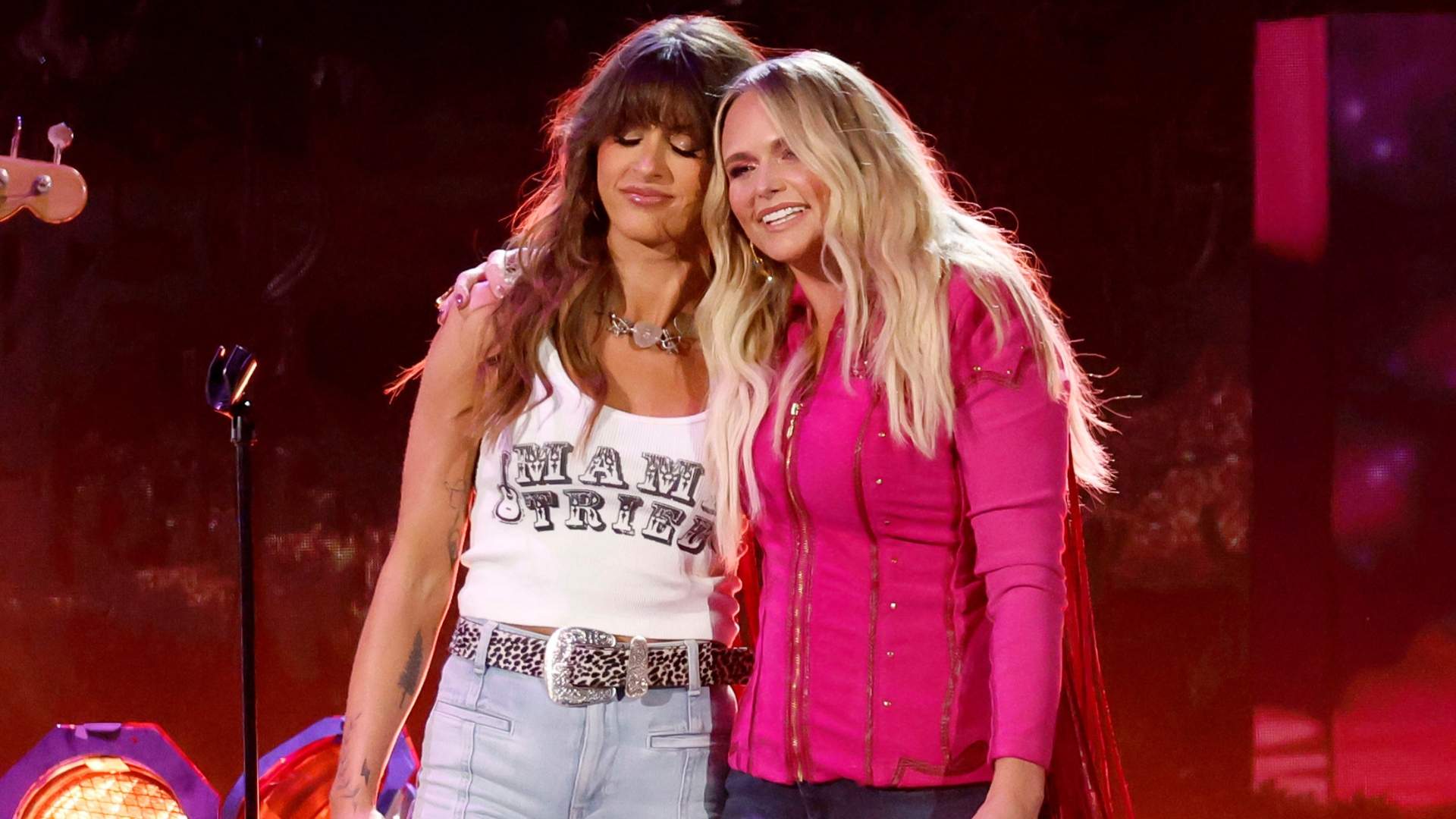
The turning point arrived with the arrival of two younger country voices—Lainey Wilson and Ella Langley. Wilson, whose own single reached number one, reached out to Lambert after her triumph, seeking a confidante who had walked the path before. Langley, co‑writer of “Choosin’ Texas,” also found a mentor in Lambert. Their partnership brought a new dynamic to Lambert’s life, offering the sisterhood she had missed. As they exchanged advice and celebrated successes, Lambert realized the power of female solidarity and how it could shape the trajectory of an artist’s career.
Background & Context
Miranda Lambert’s rise to prominence began in the early 2000s, with her debut single “Gunpowder & Lead” catapulting her into the national spotlight. Her songwriting prowess and raw vocal delivery quickly earned her a devoted fan base and critical acclaim. However, behind the glitter of awards and chart‑topping records lay the challenge of forging a path in an industry where female artists were often relegated to the margins.
In the first decade of her career, Lambert found support in a handful of male artists who recognized her talent and offered mentorship. Dierks Bentley’s willingness to share the stage, Keith Urban’s open arms during touring, and the collective guidance from established names like Kenny Chesney and George Strait provided her with invaluable exposure and industry knowledge. Yet, the camaraderie that comes from shared experiences—late‑night songwriting sessions, post‑show confessions, and the unspoken bond formed over shared hardships—remained largely absent. “I didn’t have a group of women to call on the highs and lows at all,” Lambert recalled, underscoring how she often felt isolated despite her success.
The arrival of Lainey Wilson and Ella Langley shifted this dynamic. Wilson, who burst onto the scene with a chart‑topping single in 2023, reached out to Lambert during a pivotal moment in her own career. “I just wanted to talk to somebody that knew exactly what that felt like,” Wilson said, reflecting the genuine need for female mentorship. Langley, who co‑wrote “Choosin’ Texas,” found a guiding light in Lambert’s experience, further solidifying a growing network of women supporting one another within the country music sphere. Their collaboration not only enriched Lambert’s personal life but also influenced her creative output, culminating in a stronger sense of community that she had long yearned for.
What People Are Saying
Fans across the country have been quick to celebrate Lambert’s candidness. Social media buzzed with hashtags like #LambertSisterhood and #CountryWomenSupport, as listeners expressed gratitude for the new narrative of solidarity. Many longtime fans noted that Lambert’s openness about the absence of female support in her early years added a new layer of authenticity to her artistry, and praised her for being a role model in a genre still working to address gender imbalance.
Industry insiders echo the sentiment that Lambert’s revelation highlights a broader issue within the country music business. “Female artists often feel pressured to prove themselves in a space where men have historically dominated,” commented a veteran producer at a recent panel discussion. “Lambert’s experience underscores the importance of building supportive networks.” Others point out that the presence of artists like Lainey Wilson and Ella Langley has helped to create a ripple effect, encouraging newer artists to seek mentorship and solidarity rather than feeling isolated.
Lambert’s own reflection on the power of female mentorship has sparked conversations about the evolving culture in Nashville. Artists who once felt constrained by the absence of a supportive sisterhood now feel empowered to openly collaborate, share resources, and uplift one another. Lambert’s story has become a touchstone for these dialogues, illustrating that success in country music is not just about talent but also about the community that surrounds an artist.
What Happens Next
Lambert’s newfound sisterhood is already shaping her future projects. She has expressed interest in co‑writing sessions with Wilson and Langley, promising a fusion of their distinct styles that could bring fresh sounds to the genre. Additionally, Lambert is slated to host a series of intimate concerts titled “Sisterhood Sessions,” where she will showcase songs written with her female collaborators and invite other women in the industry to share the stage.
Beyond the music, Lambert has announced plans to launch a mentorship program aimed at young female artists. Drawing on her own journey, she hopes to provide guidance, resources, and a platform for emerging talent to thrive without the isolation she once faced. The program will feature workshops, networking events, and one‑on‑one mentorship pairings with established artists, ensuring that future generations of country singers have the support they need from day one.
Lambert’s openness has also prompted her to revisit past collaborations with male artists, now reframed through a lens that values female partnership. She plans to release a deluxe edition of her 2022 album, which will include behind‑the‑scenes footage of her touring experiences with Dierks Bentley, Keith Urban, and others, juxtaposed with new interviews that dig into the emotional impact of her journey. The initiative will serve as both a retrospective and a forward‑looking statement about the changing landscape of country music.
In the months ahead, Lambert’s influence is expected to ripple beyond Nashville. By championing female mentorship, she is paving the way for a more inclusive industry, one that acknowledges the unique challenges women face while celebrating their resilience and camaraderie. Her story is not just a personal triumph; it is a blueprint for solidarity that could redefine the genre for years to come.
The Bottom Line
The country‑music community has long been a male‑centric bastion, with women frequently sidelined in decision‑making spaces and mentorship opportunities. Miranda Lambert’s revelation that she lacked a woman’s hand to hold for nearly two decades is a stark reminder that success can come with a hidden cost: isolation. Yet her new alliances with Lainey Wilson and Ella Langley prove that solidarity can be a catalyst for reinvention, offering fresh creative perspectives and opening doors that were previously shut. From an industry standpoint, this narrative is a clarion call to institutionalize female mentorship—providing structured pathways, workshops, and collaborative songwriting sessions that empower the next wave of talent. For audiences, it enriches the listening experience; knowing the personal struggles and triumphs that inform an artist’s work adds depth and relatability. Lambert’s forthcoming “Sisterhood Sessions” and mentorship program are more than marketing gimmicks; they signal a real shift toward inclusivity, potentially reshaping Nashville’s cultural fabric. As MyWorldPulse, we applaud this move and believe that the genre’s future hinges on nurturing community, not competition. It’s time for country music to recognize that the strength of its voice lies in its unity.
Reference:
- Official post on Miranda Lambert's verified Instagram
- Official interview with Miranda Lambert on Apple Music Country
Read more celebrity news at MyWorldPulse.