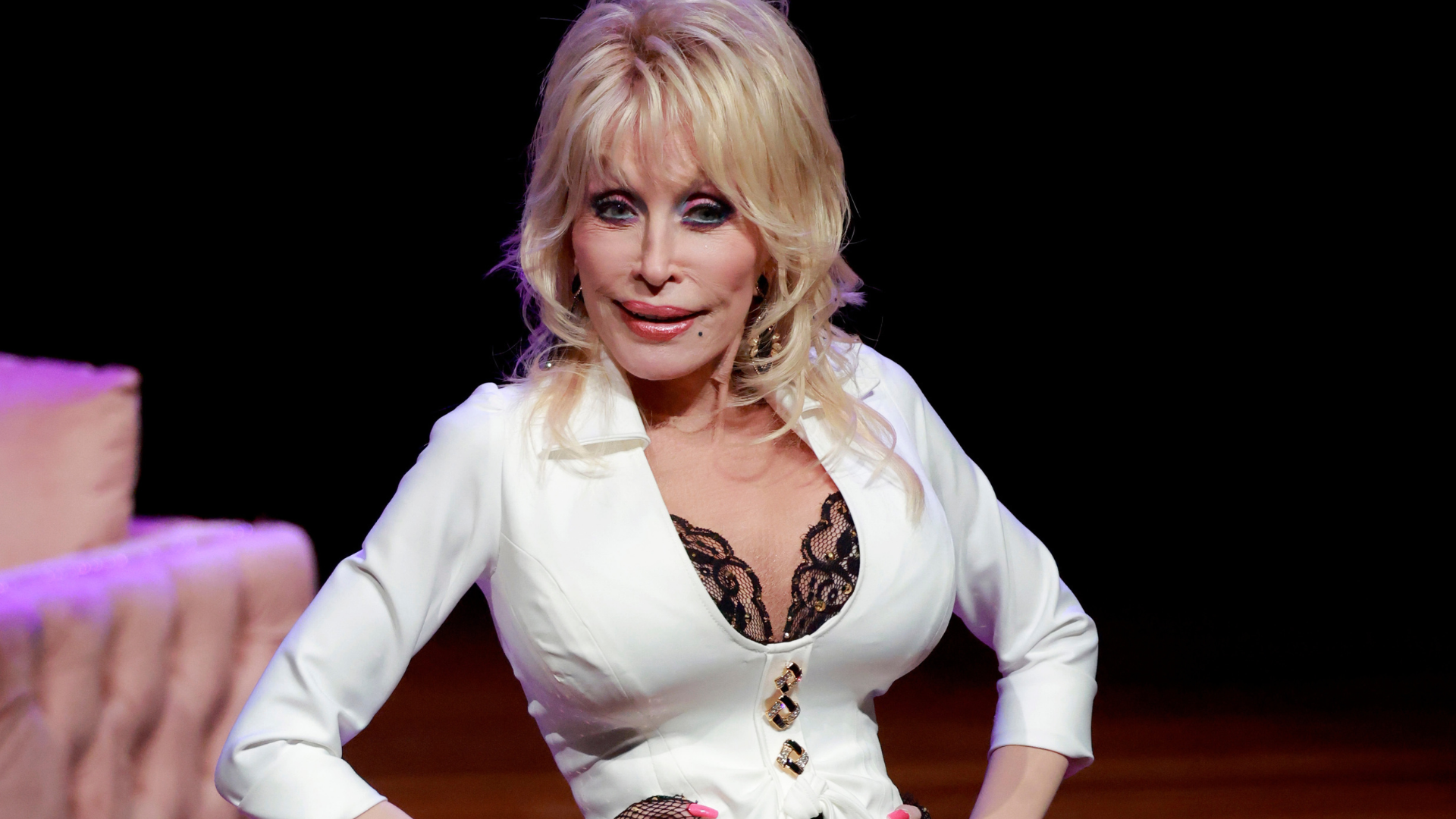
The country icon’s decision to refuse a spot on “American Idol” sends shockwaves through a world that thrives on judgment, talent shows and the relentless pursuit of the next star. Dolly Parton, at 79, chose compassion over fame, opting to keep her own legacy unblemished by the harsh critiques that can devastate young singers.
In a 2025 interview, the legendary singer explained that “I just can’t hurt people.” She recalled countless invitations to sit on the judges’ desk, each one met with a polite but firm decline. “I know how sincere everyone is,” she said. “Even if they’re not that good, they believe they are. I can’t bring that weight.” Her refusal was not a rejection of the show itself but a stand against the emotional toll a single verdict can impose on hopeful performers.
The impact of her decision is twofold. On one hand, it underscores a growing conversation about mental health in competitive entertainment. On the other, it reinforces the idea that mentorship need not come in the form of a formal judge, as Dolly’s guest mentor appearance on Season 7’s Country Week proved. While the “American Idol” panel never had a Dolly, the influence she wove into the program’s narrative remains palpable.
Background & Context
The “American Idol” franchise has long been a breeding ground for industry talent, and the judges’ panel has boasted names like Simon Cowell, Paula Abdul, and Kara Adler. Yet Dolly’s path diverged. At 79, when asked to join the panel, she was already a seasoned artist with a catalog spanning decades, a track record of philanthropy, and an understanding that criticism could eclipse the artistry itself.
She did, however, contribute to the show in a meaningful way. During Season 7’s Country Week, the Top 9 contestants performed under her guidance. The week celebrated country roots, a genre Dolly helped shape, and her involvement lent the segment authenticity and star power. The climax of her participation came on the results show, where she performed “Jesus & Gravity.” The song, rooted in her Christian upbringing, resonated with viewers and served as a reminder that music, at its core, is about connection rather than competition.
Beyond the show, Dolly’s public persona was carefully curated. She declined opportunities that might compromise her values—she would never travel to space, never let reality‑show cameras follow her, never ride in a self‑driving car, never appear publicly without hair and makeup, and she refused to check her phone during a movie. These choices highlighted a desire for authenticity and control over her narrative, traits that set her apart in an industry often driven by spectacle.
What People Are Saying
The entertainment community rallied to honor Dolly’s legacy following her passing on August 25, 2026, when she succumbed to cancer at age 80. Tributes poured in, reflecting her enduring influence. Ryan Seacrest, long‑time “American Idol” host and colleague, penned a heartfelt message: “Dolly spent a lifetime reminding children to dream big, and then doing everything she could to help make those dreams possible.” Seacrest’s tribute echoed Dolly’s own message to the next generation—dream, believe, and pursue relentlessly.
Wynonna Judd, who lost her mother Naomi in a tragic suicide in 2022, spoke about Dolly’s presence during Naomi’s funeral. In a 2026 interview, Wynonna recalled Dolly’s comfort, describing the moment she sang “I Will Always Love You” at the memorial. “She looked into my eyes and told me she loved me,” Wynonna said, underscoring Dolly’s ability to offer solace through song. Her remarks cast Dolly as an enduring pillar of strength in a community that had experienced loss.
These reflections reveal an industry that values humility, mentorship, and emotional intelligence—qualities Dolly exemplified. Her refusal to judge on “American Idol” is now celebrated as a deliberate act of kindness that shaped the show’s cultural footprint. The narrative that emerges is one where Dolly’s legacy extends beyond recordings and awards, touching the personal journeys of countless performers.
What Happens Next
In the wake of Dolly’s death, the legacy she left behind continues to influence both traditional media and emerging entertainment forms. One of the most poignant tributes is coming from drag duo Jinkx Monsoon and Ben DeLaCreme, who announced their ninth‑year “Jinkx and Dela Holiday Show.” The duo’s production has grown into one of the most celebrated winter spectacles, blending musical theater, comedy, and heartfelt storytelling. This season, they pay homage to two queer icons: Tim Curry and Dolly Parton.
The tribute promises a unique blend of Dolly’s signature warmth and the duo’s theatrical flair. By spotlighting Dolly, the performers are both honoring her memory and reaffirming the enduring importance of authenticity and vulnerability in entertainment. The show will likely attract a diverse audience—fans of classic country, modern drag, and queer performance art—demonstrating the cross‑generational impact of Dolly’s artistry.
Beyond live performances, Dolly’s influence permeates charitable initiatives, most notably the Dollywood Foundation, which supports children’s education and wellness. The foundation’s continued work stands as proof of Dolly’s commitment to nurturing young talent. As new talent shows emerge and digital platforms expand, Dolly’s philosophy of encouragement over critique may inspire a new generation of judges, mentors, and audiences alike.
The entertainment world has been reshaped by Dolly’s quiet defiance of the judging norm. Her decision to forego “American Idol” in favor of empathy and mentorship is not merely a footnote in television history—it’s a blueprint for how art and compassion can coexist. The reverberations of that choice will echo for years, as new artists, audiences, and creators look to Dolly Parton’s legacy as a guiding star.
The Bottom Line
MyWorldPulse firmly believes that Dolly Parton’s bold refusal to judge on American Idol is not merely a footnote in television history; it is a blueprint for a kinder, more compassionate entertainment industry. By choosing empathy over criticism, she set a precedent that shows and audiences alike can learn from. The decision underscores a cultural shift where mental well‑being is valued alongside artistic talent, prompting producers to rethink the conventional format of talent competitions. Furthermore, Parton’s legacy of mentorship—evident through her guest appearances and her Dollywood Foundation—demonstrates that true influence stems from empowerment rather than evaluation. As the industry grapples with balancing spectacle and authenticity, Dolly’s example reminds us that authenticity, vulnerability, and genuine support are the truest measures of a lasting legacy. In honoring her memory, we encourage all stakeholders to foster environments where creativity thrives without the fear of harsh judgment.
Reference:
- Official post on Dolly Parton's verified Instagram
- Press release from Dollywood Foundation announcing Dolly Parton's passing
Read more celebrity news at MyWorldPulse.