"I never agreed to the silence," she says, and the words echo through the quiet halls of a 20,000‑square‑foot Southampton mansion where the dispute began.
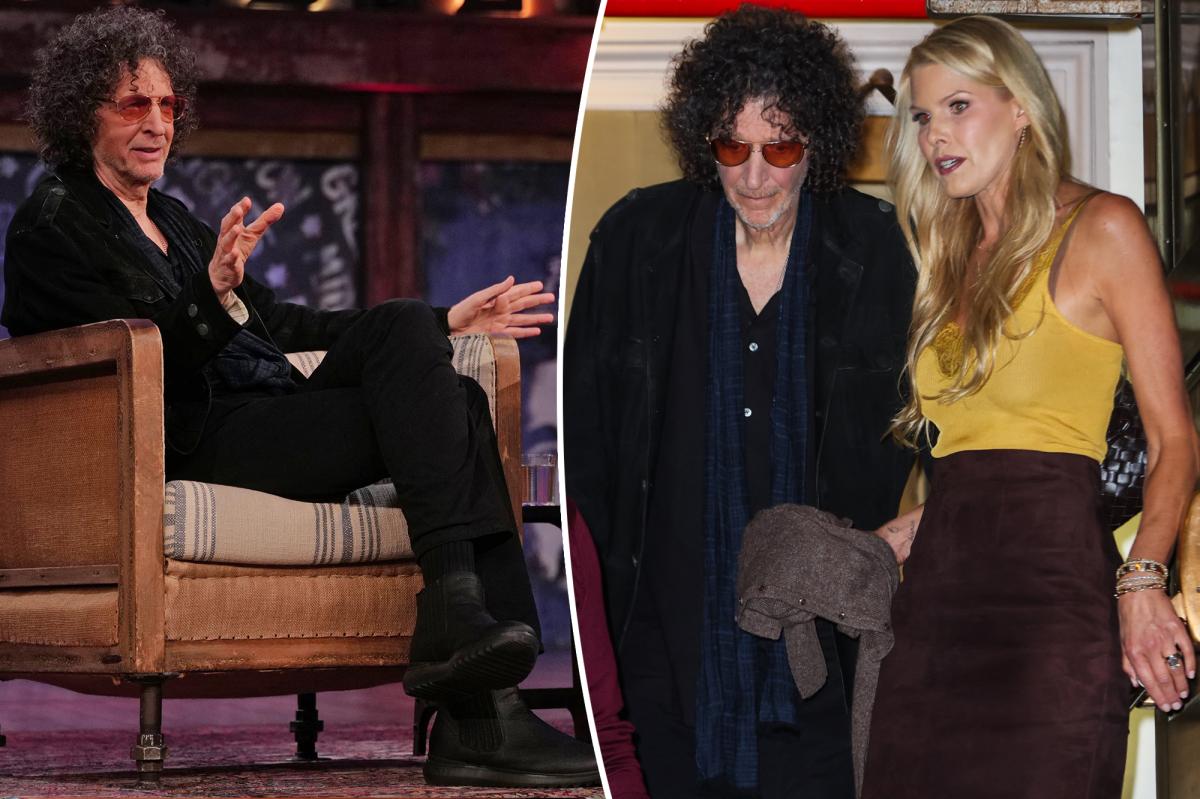
Leslie Kuhn, a former executive assistant to the famed shock jock and his wife, Beth Stern, has escalated her battle against the duo, filing an appeal after a judge dismissed her initial lawsuit in late July. The core of Kuhn’s complaint is a hostile work environment, a forged nondisclosure agreement, and a termination that she claims was a direct result of her vocal opposition to the Sterns’ chaotic household operations. In December 2025, the pair supposedly promised her a $265,000 raise and an $80,000 bonus the following year—promises she says were swallowed by the very chaos she was meant to help manage. Now, she seeks to invalidate two NDAs she alleges she never signed, hoping to clear her name and rebuild her career.
The drama unfolded on the fringes of a high‑profile media empire, but it is a story that resonates with anyone who has felt cornered by a demanding employer. It also touches on the broader conversation about labor rights in the entertainment industry, where power imbalances can create toxic workspaces that are difficult to expose. In a case that could set a precedent for other workers who find themselves bound by questionable confidentiality agreements, Kuhn’s appeal is a critical test of the legal and ethical frameworks surrounding high‑stakes employment contracts.
Background & Context
Leslie Kuhn entered the Sterns’ household in May 2024, stepping into a role that extended far beyond the typical duties of an executive assistant. The position was described as a blend of administrative support and logistical coordination for Beth Stern’s expansive home, which reportedly spans 20,000 square feet in Southampton, New York. According to court filings, Kuhn’s responsibilities included managing household staff and, unusually, supporting Beth’s “extensive at‑home feline rescue and fostering operations.” These tasks—an odd mixture of domestic management and animal rescue—set the stage for a workplace that would later be characterized by Kuhn as disorganized, chaotic, and ultimately hostile.
In December 2025, the Sterns’ production company, One Twelve, sent Kuhn a letter outlining a salary increase to $265,000 and an $80,000 bonus slated for the next fiscal year. The promise of substantial financial recognition was, in Kuhn’s view, a tempting carrot that ultimately vanished when she was terminated in February 2026. Her firing, she claims, was not for performance but for her outspoken criticism of the household’s operations, including the “immense pressures” created by Beth’s animal rescue endeavors and questionable accounting practices. The abrupt dismissal, she argues, is evidence of a hostile environment that pushed her to speak out—an act she says should have been protected by the law.
The legal battle began in April, when Kuhn filed a lawsuit seeking to invalidate a 2022 confidentiality agreement and a 2025 non‑disclosure agreement she contends she never signed. Her petition also requested the court to declare those agreements unenforceable so that she could freely discuss her employment and protect her future career prospects. The case quickly became entangled in questions about whether the agreements were forged, whether Kuhn’s account had been hacked, and whether the Sterns’ alleged promises were legitimate.
What People Are Saying
The court’s decision in late July was a blow to Kuhn, who had presented evidence she said demonstrated the fraudulence of the NDAs. Central to the ruling was an email from Kuhn’s own account that contained an electronic signature with the phrase “Signed NDA attached.” The judge accepted that evidence, concluding that the signatures were genuine and that Kuhn had, in fact, consented to the agreements. Kuhn’s argument that her account had been compromised was not upheld, and the judge dismissed her claims in their entirety, effectively nullifying her right to challenge the agreements in court.
Stern’s legal team, led by Andrew Mark Goldsmith, has dismissed Kuhn’s allegations as “frivolous.” Goldsmith’s correspondence with Kuhn’s attorney, John Joseph Leonard, highlights that the Sterns had already waived any right to enforce the NDA publicly. The claim is that any doubts about the enforceability of the agreements were eliminated by the defendants’ own actions, thereby protecting Kuhn from litigation. This stance has been met with skepticism by some labor advocates, who point out that the defendants’ public statements may not carry the same weight as formal legal waivers. Critics also argue that the decision to dismiss the entire lawsuit sets a troubling precedent, potentially allowing powerful figures to silence former employees under the guise of confidentiality.
Within the industry, Kuhn’s case has sparked a broader conversation about the ethics of non‑disclosure agreements, especially when they are used to cover up workplace misconduct. Former staffers of high‑profile personalities have come forward with similar stories of being coerced into silence, raising questions about the role of NDAs in protecting reputations versus protecting victims. While the court’s ruling appears to favor the Sterns, the appeal filed on September 9 signals that the legal battle is far from over. Kuhn now seeks to overturn the July decision, asserting that the NDAs are invalid and unenforceable.
What Happens Next
Kuhn’s appeal will be considered by a New York appeals court, which must decide whether the July ruling should stand or be overturned. The central question remains whether the NDAs were forged or otherwise invalidated by the parties’ conduct. Should the appellate court find merit in Kuhn’s claim that she never signed the agreements, it could set a significant legal precedent that may affect other employees bound by similar contracts. Conversely, a ruling in favor of the Sterns would reinforce the enforceability of NDAs even when allegations of workplace toxicity are involved, potentially discouraging whistleblowing in the entertainment world.
The stakes for Kuhn are personal and professional. A successful appeal could allow her to speak openly about her experience, potentially safeguarding future employers from similar allegations and restoring her reputation. However, failure could entrench her status as a disgruntled former employee, further damaging her prospects in a highly competitive industry. For the Sterns, a favorable ruling would maintain the confidentiality of their operations and protect their public image, but it also risks reinforcing a culture where workplace misconduct can be concealed behind signed agreements.
Both sides have prepared for a protracted legal battle. Kuhn’s team has gathered additional evidence that points to inconsistencies in the purported signatures and claims of hacking, while the Sterns’ legal counsel is poised to defend the validity of the agreements and the right of the parties to enforce them. The case will likely attract close scrutiny from labor advocates and industry insiders alike, who are eager to see how the courts interpret the balance between contractual confidentiality and the right to report workplace harassment.
The broader implications of this case extend beyond the Sterns. It touches on a recurring issue in the entertainment industry: the power dynamic between high‑profile figures and their staff, and the mechanisms they use to control information. Whether the appellate court will side with Kuhn or uphold the dismissal remains uncertain, but the outcome will undoubtedly reverberate throughout a field where the lines between personal privacy and professional accountability are often blurred.
The courtroom drama surrounding Leslie Kuhn and the Sterns has just begun, and its final verdict will likely influence how confidentiality agreements are crafted and contested in the years to come. For now, the eyes of the industry remain fixed on the New York appeals court, waiting to see whether the silence she endured will finally be broken.
The Bottom Line
The stakes in this appeal go beyond a single employee’s claim; they reflect the very foundations of accountability in an industry that thrives on image and secrecy. If the court accepts Kuhn’s argument that the NDAs were forged, it would not only restore her voice but also crack open a long‑standing armor that powerful figures have used to silence dissent. This would signal that the legal system can and will hold executives accountable when they misuse contractual mechanisms to mask misconduct. However, should the appellate court uphold the NDAs, it will reinforce a troubling precedent: silence can be bought, and whistleblowers are left with no safe harbor. That outcome would likely deter future allegations, perpetuating a toxic environment where fear trumps fairness. MyWorldPulse.com believes the industry must choose transparency over intimidation. We urge the court to side with the truth and set a precedent that protects workers, fosters honest workplace cultures, and preserves the integrity of the entertainment business.
Reference:
- Official post on Leslie Kuhn's verified social media account
Read more celebrity news at MyWorldPulse.