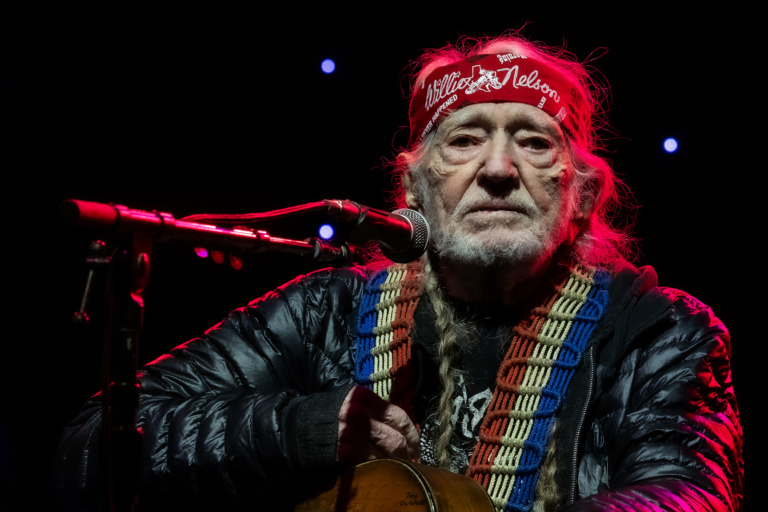
In the early hours of Wednesday, October 21, the world of country music inhaled a collective gasp as the beloved singer John Anderson, 71, was announced to have passed away. The news arrived not in a headline but in a heartfelt message posted to Anderson’s own Instagram account, accompanied by a candid onstage snapshot of the veteran strumming his guitar. In that single image, a man who had spent decades turning personal stories into timeless melodies seemed to pause, as if saying, “I’m finished.”
The family’s words cut to the core: “It is with the heaviest of hearts that we share the passing of our beloved husband, father, grandfather, and best friend.” The message was simple yet profound, offering a glimpse into the private world that Anderson kept separate from the stage lights. It was a reminder that beneath the “Swingin’” persona, there was a man who made ordinary moments feel extraordinary. For fans and fellow musicians alike, the announcement was a cue to revisit the songs that had threaded through generations: from the haunting “Seminole Wind” to the foot‑tapping “Swingin’.”
Anderson’s death does more than signal the loss of a singer; it marks the closing of an era in country music where authenticity and storytelling reigned supreme. His voice—deep, resonant, and unmistakably human—became a soundtrack for countless personal milestones, and his absence is felt not only in the quiet of studios but in the open spaces of venues where his music once filled the air. The ripples of this loss are being felt across the industry, prompting a reflection on the legacy he forged and the future of the genre he helped shape.
Background & Context
John Anderson’s roots lay in the small town of Lubbock, Texas, where his parents nurtured a love for the music that would later echo through Nashville’s neon glow. He burst onto the country scene in the early 1980s with a distinct blend of classic country sensibilities and contemporary polish, earning him a place in the Country Music Hall of Fame. The albums that defined his career, such as Country ’til I Die and Seminole Wind, resonated with both traditionalists and newer audiences, striking a balance that was rare at the time.
The track “Swingin’,” released in 1986, became a chart‑topping hit and an anthem for listeners who found solace in its upbeat, soulful rhythms. That song, along with “I Just Came Back from a Long Fall” and “Only Love," showcased Anderson’s ability to weave personal narratives into universal themes—an approach that earned him a loyal fan base spanning multiple generations. He was not only known for his songwriting but also for his distinct vocal timbre, described by critics as a blend between a seasoned crooner and a heartfelt storyteller. This voice, coupled with his guitar‑playing prowess, turned every performance into an intimate gathering.
In the broader landscape of country music, Anderson’s career served as a bridge between the old‑school honky‑tonk sounds of the 1970s and the emerging pop‑influenced currents of the 1990s and 2000s. He managed to remain relevant without compromising his authenticity, a feat that many contemporaries struggled to achieve. His influence can be seen in the work of artists who value lyrical depth and melodic sincerity, proving that commercial success need not come at the expense of artistry.
What People Are Saying
The immediate aftermath of the announcement was a flood of tributes from musicians whose careers Anderson helped shape. Reba McIntire posted a heartfelt comment on his Instagram tribute, calling him “one of my favorite people in this business” and expressing a deep personal loss. Her words reflected a sense of camaraderie that had grown out of shared stage experiences and mutual respect.
Jason Aldean, another high‑profile country star, echoed the sentiment, adding that Anderson’s “top hit was ‘Swingin’.” Aldean’s acknowledgment of the song’s enduring popularity highlighted the way Anderson’s music had woven itself into the fabric of the genre. His post served as a reminder of the timeless quality of Anderson’s hits and how they continue to resonate with audiences.
Beyond the musicians, fans from around the world joined the conversation. Many shared old photos, lyric snippets, and memories of live shows, turning the social media thread into a communal tribute. Some highlighted the personal stories that Anderson’s songs had inspired—first‑date jitters, heart‑break recoveries, and life‑changing moments—underscoring the emotional weight his music carried. The responses revealed a shared understanding: Anderson’s work was not just entertainment; it was an emotional anchor for many, a soundtrack to their lives.
In the days following, music blogs and online communities also reflected on Anderson’s place in country history. They noted how his discography offered a blueprint for authenticity in an industry that often oscillates between nostalgia and novelty. By comparing his trajectory to other artists, commentators found a pattern of sustained relevance, proof of his craftsmanship and the deep connection he forged with listeners.
What Happens Next
As the industry grieves, the immediate next step involves honoring Anderson’s legacy through posthumous recognition and remembrance. Plans for a formal memorial are underway, with details expected to be announced in the coming weeks. The country music community, often tight-knit and supportive, is already exploring ways to keep Anderson’s music alive for future generations.
Record labels are likely to release a curated collection of his most beloved tracks, possibly featuring remastered versions or previously unreleased recordings. Such releases would not only pay homage to Anderson but also provide fans with a tangible piece of his artistry to cherish. Concert venues may host tribute shows, inviting former collaborators and contemporary artists to perform his classics, thereby bridging the gap between past and present audiences.
On the personal front, Anderson’s family is expected to keep his privacy at the forefront while sharing more about his life beyond the public eye. They may release personal anecdotes or photos that further illuminate the man behind the songs, offering a deeper understanding of the influences that shaped his music. The continued sharing of these memories could spark new appreciation for Anderson’s contributions to the genre.
For the wider industry, Anderson’s passing is a catalyst for reflecting on the values that sustain country music. It prompts questions about authenticity, storytelling, and the role of legacy in shaping new artists. Upcoming musicians may look to Anderson’s path as a blueprint for balancing commercial appeal with artistic integrity, ensuring that country music remains both relevant and rooted in its foundational themes.
The industry’s response, whether through memorials, reissues, or continued storytelling, will likely emphasize the enduring nature of Anderson’s impact. It will serve as a reminder that music’s true power lies not in fleeting popularity but in the lasting impressions it leaves on hearts and histories.
In the end, John Anderson’s legacy will continue to echo across stages and playlists alike. His music, steeped in honest storytelling and resonant melodies, will remain proof of a life lived on the guitar, inviting listeners to sit down, pull out a copy of “Swingin’,” and let the world pause for a moment, just as he did.
The Bottom Line
In our view, John Anderson’s death is a clarion call for the country music community to reaffirm the genre’s core values—authenticity, storytelling, and emotional depth. As we mourn a legend who defined an era, we must also recognize the responsibility that rests on contemporary artists to honor that legacy by crafting music that speaks to real human experiences rather than chasing fleeting trends. The industry’s swift move to release a remastered collection and organize tribute concerts is commendable, yet it should also serve as a platform for nurturing new voices who can carry forward Anderson’s ethos. Ultimately, preserving his influence is not merely about cataloguing past hits; it’s about inspiring a new generation to write songs that resonate on a personal level, ensuring that country music remains a living, breathing reflection of the human story.
Reference:
- Official post on John Anderson’s verified Instagram account
Read more celebrity news at MyWorldPulse.