When the curtains finally rose at the Vision Theatre on Tuesday, the air crackled with the promise of a new era for South Los Angeles. Thirty‑two thousand locals, long‑time patrons, and art lovers from across the city flooded the historic venue, clutching program booklets that promised a night of soul‑shaking music and vibrant visual storytelling. The roar of applause that followed the opening act echoed against the newly polished marquee, a stark contrast to the hushed anticipation that had filled the space during its fifteen‑year restoration.
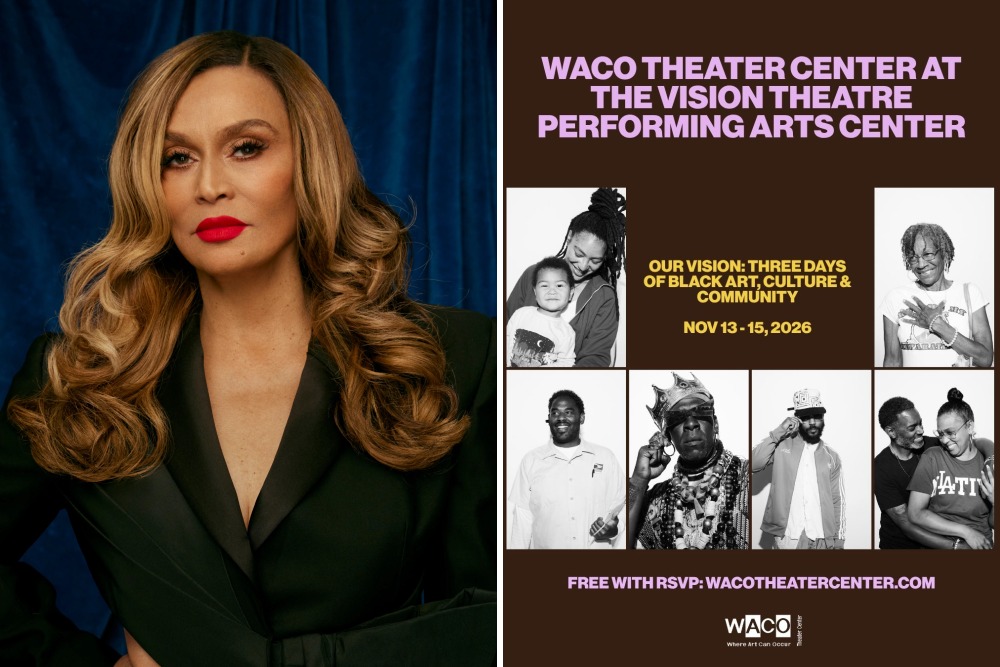
Behind the scenes, the moment felt even more personal. Founder and artistic director Tina Knowles—known for her own fierce passion for the arts and her long‑standing commitment to community‑based projects—stepped onto the stage, a wide smile cutting across her face. Beside her, executive director Shay Wafer lifted the final curtain of a decade‑long transformation, allowing the audience to glimpse the theater’s rebirth. Together, they signaled that a once‑forgotten landmark had been reborn, not just as a performance venue, but as a cultural beacon for a neighborhood that has long craved recognition and opportunity.
The Vision Theatre, a cornerstone of Leimert Park’s artistic heritage, has served as a gathering place for generations. Once a speakeasy and later a dance hall, it became a community theater in the 1960s and quickly earned a reputation for hosting experimental plays and live jazz nights. By the early 2000s, however, the aging structure threatened to lose its charm to the pressures of gentrification and neglect. The decision to invest $40 million in a comprehensive overhaul was, in many ways, a gamble that paid off spectacularly, and the reopening ceremony proved that risk had been worth it.
Background & Context
The Vision Theatre’s story is one of resilience and reinvention. Founded in 1927 as the WACO Theatre, it served as a pivotal gathering place for the African‑American community in South L.A., providing a safe space for expression amid a segregated society. Over the decades, it survived shifts in ownership, changes in the neighborhood’s demographic makeup, and waves of economic downturns. By the early 2000s, the building’s infrastructure had deteriorated to the point where performing arts companies could no longer operate safely within its walls.
In 2008, community activists, former performers, and local artists rallied to preserve the theater. The WACO Theater Center, established in 2012, was created to champion the arts in underserved neighborhoods, with Tina Knowles at the helm. The Center’s mission—to support artistic expression and provide inclusive cultural programming—led to a partnership with the city and several private donors. Together, they secured a $40 million funding package that covered structural repairs, modern sound and lighting systems, a state‑of‑the‑art stage rigging setup, and a new climate control system that would make the venue comfortable year-round.
The renovation, which spanned fifteen years, was marked by a deep commitment to preserving the theater’s historical character. Restorers meticulously salvaged original wooden paneling and hand‑painted murals while integrating contemporary design elements that allowed for flexible staging. A notable highlight was the recreation of the theater’s iconic marquee, now lit by energy‑efficient LEDs that echo the glow of the original bulbs. These efforts culminated in a venue that honors its past while providing the technical backbone required for modern productions.
What People Are Saying
Word of the Vision Theatre’s return has rippled through both the local community and the broader arts scene. Residents of Leimert Park have long seen the theater as a symbol of their neighborhood’s cultural identity, and many describe the reopening as a moment of collective pride. The buzz on social media, from Instagram stories to community Facebook groups, showcases fans sharing photos of the polished velvet seats, the crisp stage lighting, and the sense of renewed possibility that permeates the air.
Critics and theater aficionados alike have taken note of the venue’s upgrade. Reviews of the opening performances praised the improved acoustics and the seamless integration of modern technology with classic staging. The local arts council has highlighted the theater as a model for community‑driven redevelopment, noting how the project has spurred nearby business growth and attracted new talent to the area. While no single critic has called it the "most daring" restoration in recent memory, the consensus is clear: the Vision Theatre has become a flagship of artistic resurgence in a city that thrives on reinvention.
There is also a palpable sense of excitement among emerging artists who see the Vision Theatre as a platform that could elevate their work. The WACO Theater Center’s programming strategy now includes an annual residency program that offers emerging playwrights and musicians a chance to develop their craft in a supportive environment. By opening the doors to a diverse array of voices, the theater positions itself as a crucible where new artistic trends can be tested and celebrated.
What Happens Next
The grand reopening is just the opening act in a longer, ambitious plan for the Vision Theatre. The WACO Theater Center has already outlined a schedule of shows that will span the coming year, featuring a mix of classic revivals, experimental new works, and community‑oriented performances. There is an intention to host a biennial arts festival that would bring national touring companies, regional ensembles, and local schools together on a shared stage, reinforcing the theater’s status as a hub for cultural dialogue.
Financially, the center is moving toward a sustainable model. The new revenue streams will include ticket sales, venue rentals for corporate events, and a partnership with a regional arts foundation that will fund scholarship programs for underprivileged youth. By diversifying income, the theater aims to reduce reliance on single‑time donations and ensure long‑term stability.
Beyond the performance space, the Vision Theatre’s expansion plans include a community arts center and a public gallery that will showcase works by local artists. The WACO Theater Center’s executive director, Shay Wafer, has outlined a vision for a cultural corridor that will connect the theater to nearby museums, cafés, and street art. The aim is to create a vibrant, continuous flow of artistic experience that keeps the neighborhood alive day and night.
Community engagement will continue to be a core pillar. The theater’s programming will feature open‑mic nights, interactive workshops, and a mentorship program for teens interested in theater production. By involving residents directly in the creative process, the WACO Theater Center seeks to maintain a reciprocal relationship with the neighborhood that has long been its lifeblood.
The story of the Vision Theatre is proof of what can be achieved when art, community, and investment collide. As the lights dim after each show, the audience knows that they are part of a living, breathing institution that will keep echoing stories for years to come.
The curtain has risen on a new chapter for South Los Angeles, and the world will watch as the Vision Theatre continues to shape the cultural landscape, one performance at a time.
The Bottom Line
The Vision Theatre’s reopening is more than a triumphant return to the stage; it is a testament to the power of community‑led vision and strategic investment to rewrite a city’s cultural narrative. At MyWorldPulse, we champion projects that blend heritage preservation with contemporary relevance, and this theatre exemplifies that balance. By restoring the original wooden paneling and murals while installing cutting‑edge acoustics and LED marquee lighting, the venue honors its past while welcoming the future. The $40 million investment, sourced from public, private, and community funds, signals a new model for financing arts infrastructure—one that is inclusive, sustainable, and responsive to local needs. The inclusion of a residency program and plans for a cultural corridor further amplify the theatre’s impact, turning it into a living laboratory for emerging talent and a nexus for cross‑disciplinary collaboration. For audiences, this means more diverse programming, deeper engagement opportunities, and a venue that truly reflects the vibrancy of South Los Angeles. We applaud Tina Knowles and Shay Wafer for turning a decades‑old dream into a tangible, thriving reality, and we look forward to witnessing the ripple effects of this transformation across the industry.
— The MyWorldPulse Team
Reference:
- Official post on the person's verified social media account
Read more celebrity news at MyWorldPulse.