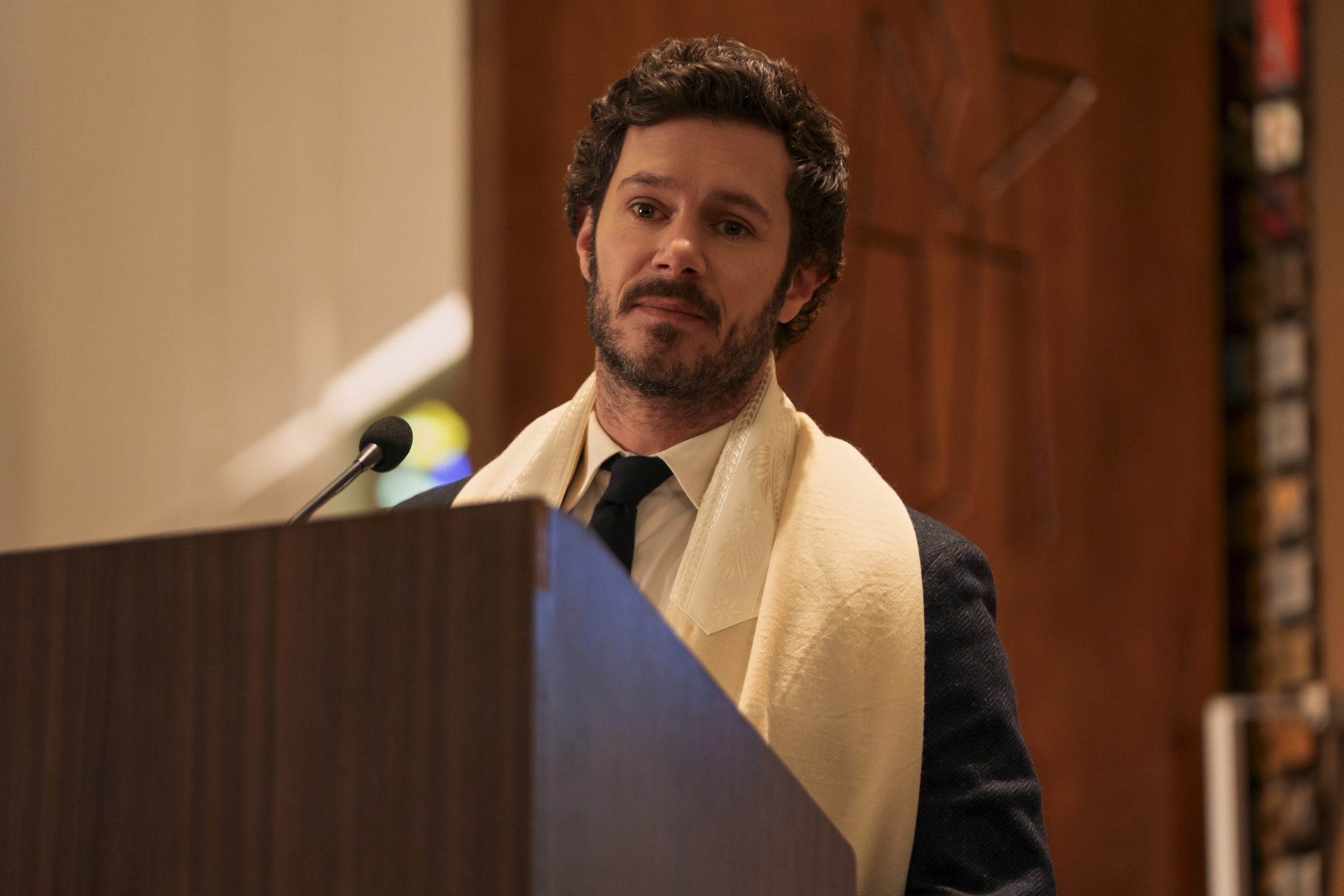
A quiet afternoon in a Los Angeles studio, the hum of an unseen crew and the faint scent of coffee, and Adam Brody—44—leans into a microphone for a GQ interview. He speaks not about the new Netflix comedy “Nobody Wants This,” but about the Israeli‑Palestinian conflict that has rattled the world for centuries. The comment, made months after the show’s premiere, has rippled far beyond the walls of the entertainment industry. For weeks, the cast and creator of the show have traded takes on the crisis, turning a comedic premise into a flashpoint for political discourse.
“Nobody Wants This” is a far‑candid comedy that follows a newlywed couple navigating the absurdities of suburban life, love, and the oddities that emerge when a “hot rabbi” named Noah Roklov—played by Brody—enters the scene. The series, released in late 2023, quickly found its footing among audiences looking for levity amid a wearying global mood. Yet as the Gaza Strip came under renewed fire in October 2023, the show’s creators faced a dilemma: can a light‑hearted comedy remain untouched by the stark realities unfolding outside its screens?
The conversation began with Brody’s candid remarks in GQ, where he described his perspective on Israel’s actions in Gaza, hinting at the complexity and human cost on both sides. The press response was swift, and the cast, including Brody’s co‑star, voiced a spectrum of views that spanned empathy, critique, and calls for dialogue. The creator of “Nobody Wants This” issued a statement expressing concern that the series could unintentionally become a backdrop for controversy, emphasizing the importance of context and responsibility.
Background & Context
The conflict between Israel and Gaza is a protracted and deeply entrenched struggle that has escalated repeatedly over the past decades. In October 2023, hostilities intensified after a surprise Hamas attack on southern Israeli communities, which prompted Israel’s military to launch an extensive campaign in Gaza aimed at neutralizing armed groups. The ensuing bombardments, blockades, and civilian casualties have sparked global outrage, with numerous nations calling for a cease‑fire and an urgent humanitarian corridor.
“Nobody Wants This” debuted amid this geopolitical storm. The show’s premise—a comedic lens on modern relationships—seemed unrelated to international affairs. Yet the timing could not have been more sensitive. As the war in Gaza garnered headlines, social media users began drawing parallels between the series’ portrayal of conflict and the real‑world suffering of civilians. Critics argued that the show’s comedic tone risked trivializing a crisis that claimed thousands of lives, while supporters countered that the series was a product of its creative universe, not a commentary on geopolitics.
Adam Brody’s interview, conducted by GQ, entered the public sphere at a moment when viewers were acutely attuned to the politics of representation. Brody, known for his nuanced roles in indie dramas and mainstream comedies, opted to speak about Israel’s actions in Gaza—highlighting his awareness of the broader social context surrounding the show. While the interview did not provide a definitive stance, it opened a door for other cast members and the creator to articulate their own viewpoints, sparking a broader discussion on how entertainment can intersect with contentious global events.
What People Are Saying
Within days of the interview, Twitter lit up with a spectrum of reactions. Some viewers applauded Brody’s honesty, appreciating that a Hollywood actor was not shying away from a difficult subject. Others expressed concern that the series could be perceived as insensitive, especially given the ongoing humanitarian crisis. The show’s official social‑media accounts received a flurry of messages ranging from “We’re with you” to “Please, stop the jokes.” The debate spilled onto Reddit, where dedicated fan communities dissected each episode, noting how the characters’ personal conflicts mirrored the larger theme of discord and misunderstanding.
In the press, columnists and critics weighed in, framing the conversation around the responsibilities of content creators in a digital age where audiences demand authenticity and accountability. A profile in a major entertainment outlet, for instance, highlighted how Netflix had recently adopted policies encouraging creators to engage with global social issues. The creator of “Nobody Wants This” responded by emphasizing that the show’s comedic narrative was not intended to comment on the Israel‑Gaza war, but that the team was open to dialogue and mindful of the sensitive backdrop.
A surprising trend emerged: the show’s core fan base, primarily millennials and Gen Z viewers, leaned toward a nuanced approach. Many fans recognized the need for storytelling that acknowledges pain without exploiting it. Some even suggested that the show could host a special episode addressing the themes of conflict and reconciliation, offering a platform for empathy rather than conflict. This reaction underscores a larger shift in audience expectations, where entertainment is no longer isolated from social conscience but rather integrated into a broader cultural conversation.
What Happens Next
The immediate next step for the production team is to address the growing calls for sensitivity and clarity. Netflix has issued a brief statement reaffirming its commitment to “responsible storytelling” while encouraging its creators to consider the cultural implications of their work. The network’s legal team is reportedly reviewing the series’ scripts to ensure that no content could be construed as supporting or condemning any side in the conflict. Meanwhile, the creator of “Nobody Wants This” has scheduled a press conference aimed at clarifying the show’s intent and outlining potential future content that may address real‑world issues in a respectful manner.
For Adam Brody, the conversation appears to have been a turning point. In subsequent interviews with other outlets, he has reiterated his earlier stance while expressing a desire to foster understanding. The cast is expected to collaborate on a charity drive supporting Gaza relief efforts, with a portion of the series’ merchandise sales donated to humanitarian organizations. This initiative could serve as a bridge between the show’s comedic appeal and tangible global impact.
On the industry front, streaming platforms are monitoring the situation closely. The debate highlights the fragile balance between creative freedom and social responsibility, especially in an era where viral backlash can eclipse entire marketing campaigns. Executives are likely to refine their policies on content that intersects with geopolitics, possibly incorporating mandatory social‑impact assessments during the pre‑production phase.
As for “Nobody Wants This,” its next season is slated for a mid‑2024 release. Rumors suggest that the writers may weave in more layered narratives that reflect contemporary global issues without diluting the show’s core humor. Whether the series will incorporate a storyline directly touching on conflict, or simply maintain its comedic distance, remains to be seen. Nevertheless, the episode marks a pivotal moment in the intersection of entertainment and activism, setting a precedent for how future shows might navigate the choppy waters of international controversy.
The world watches, the screens stay on, and the laughter continues—albeit now with an added layer of consciousness.
The Bottom Line
MyWorldPulse believes that Adam Brody’s candid remarks highlight the delicate dance between creative expression and corporate accountability. While the actor’s intent may have been personal, the reverberations across social media and within Netflix’s own community demonstrate how a single statement can pivot a show’s reception from carefree comedy to contentious commentary. This incident forces the entertainment sector to confront the ethical boundaries of satire—can a show that lampoons domestic life still remain blind to the tragedies unfolding in distant corners of the world? MyWorldPulse argues that responsible content creation demands an ongoing dialogue with audiences, especially in an era where every frame is dissected by millions. By proactively integrating social‑impact reviews and fostering open forums for discussion, studios can preserve artistic integrity while honoring the realities that shape viewer perspectives. The conversation should not end with a press release; it must evolve into tangible actions—whether that means nuanced storylines, charitable initiatives, or transparent corporate policies. Only by embracing this responsibility can entertainment truly resonate, offering laughter without compromising empathy. — MyWorldPulse
Reference:
- Official post on Adam Brody's verified social media account
Read more celebrity news at MyWorldPulse.