FAA Ground Stop Lifts, Leaving Hollywood Friday Fest in Balance
The National Aviation Administration’s emergency air‑traffic halt that had grounded thousands of planes overnight was finally rescinded just before the curtain‑up for Hollywood’s busiest Friday, yet the ripple effects are still settling over the entertainment capital’s glittering weekend.
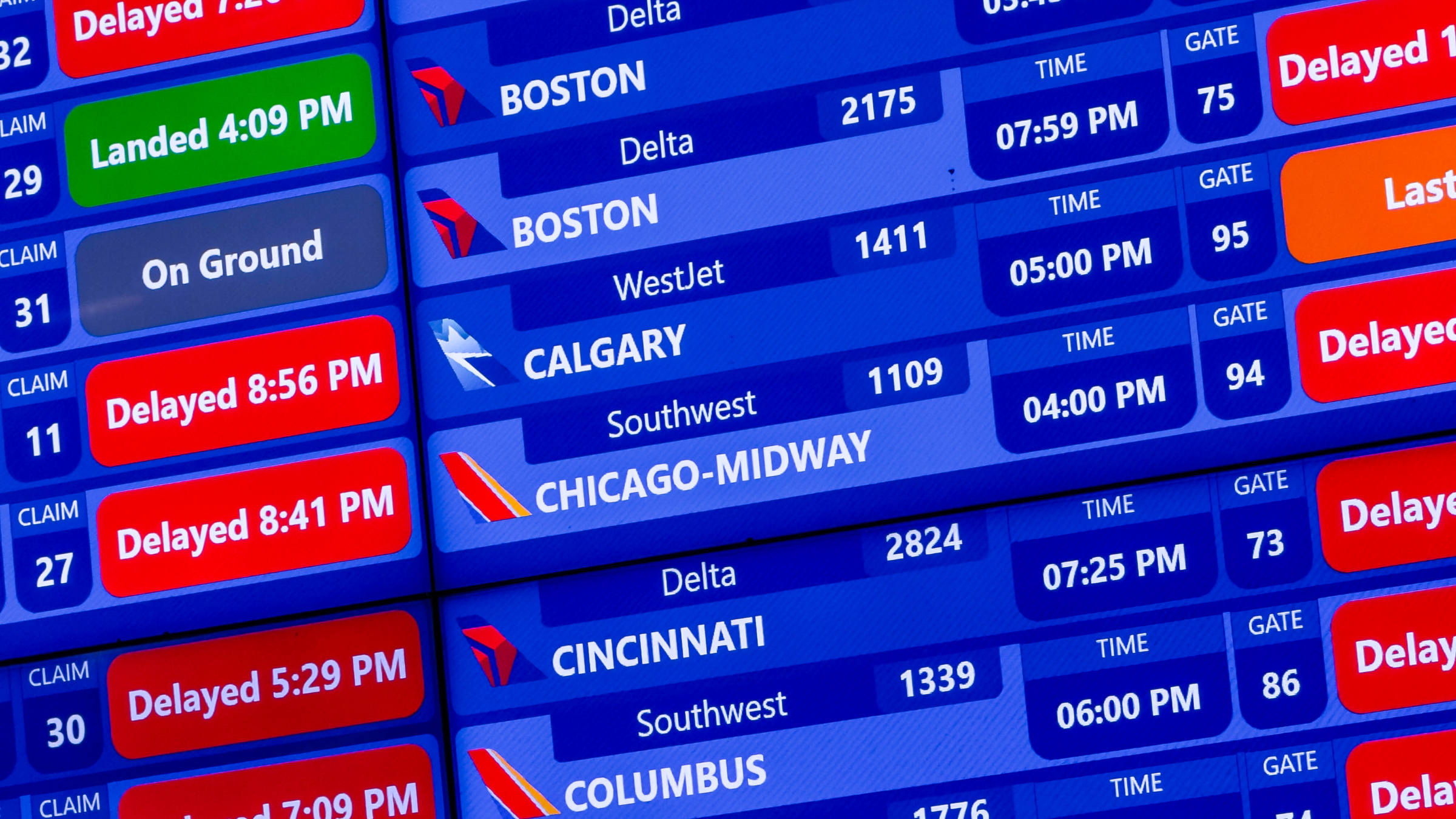
The ground stop, triggered by a sudden surge in storm activity across the Eastern Seaboard, meant that the majority of flights scheduled for the early morning of Friday were grounded, with most of the country’s commercial carriers pulling their schedules to zero. When the FAA signaled a lift at 3 a.m., the news reached the studios, production companies, and event planners like a second‑hand shockwave. Though the official mandate had vanished, the damage was already done: passengers stranded at airports, crew members forced to change shifts, and the logistical engines that drive blockbuster premieres and award shows now sputtering under a new timetable.
What the industry has to grapple with is not the cessation of the stop itself, but the uncertainty that follows. Flights that had been delayed or canceled remain on a rolling list of uncertain arrivals, and travel itineraries that had already been booked by attendees, celebrities, and press are suddenly in flux. In a world where a single missed flight can cost a production team or a fan more than a thousand dollars in tickets, accommodations, and transportation, the stakes are high.
Background & Context
Air‑traffic ground stops are rare, high‑stakes responses from the FAA to weather conditions that threaten the safety of flight operations. When wind shear, icing, or severe turbulence threatens the airspace, the FAA orders a blanket halt across all controlled airports to prevent accidents. While the safety rationale is unquestionable, the economic and social fallout can be extensive, affecting airlines, airports, passengers, and ancillary industries.
The most recent ground stop, which began late Thursday night, was one of the largest in the past decade, with the FAA reporting that it impacted more than 50 airports across the Midwest, South, and East Coast. Airlines scrambled to re‑schedule crews, arrange ground transportation for stranded passengers, and communicate new departure times. In the wake of the halt, airport staff at Los Angeles International (LAX) and its satellite facilities faced a sudden influx of passengers seeking guidance on delayed flights and hotel accommodations.
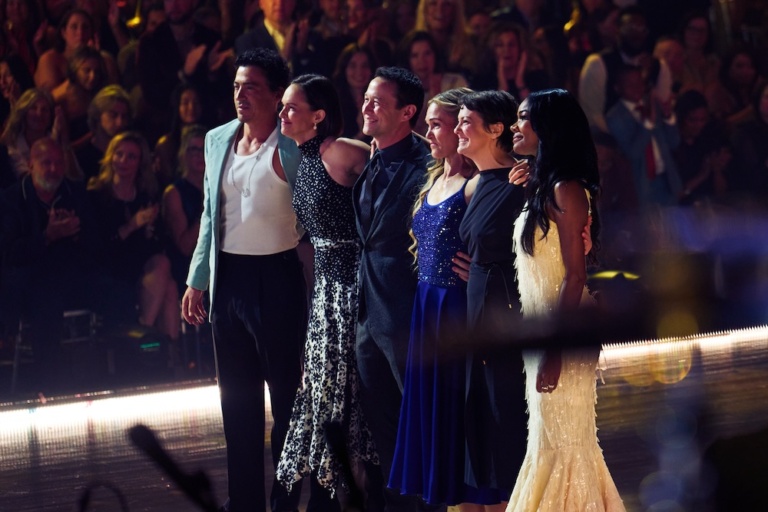
Hollywood’s Friday celebrations are a key marker on the entertainment calendar. The weekend is bookended by the red‑carpet premiere of the year’s most anticipated film, followed by the opening night of the Los Angeles Film Festival, and culminating in a gala honoring the most celebrated artists of the season. The ground stop’s timing—just before the first event of the evening—meant that many attendees who had flown from coast to coast were now uncertain of their arrival. The ripple effect extended to the logistical crews tasked with moving equipment, setting up lighting rigs, and ensuring the flawless execution of high‑profile presentations.
For the film industry, a weekend’s timing is critical. The success of a premiere hinges on media presence, celebrity attendance, and the ability to generate buzz that will carry into box‑office performance. When flights are delayed, the media’s capacity to cover the event diminishes, potentially stunting the promotional momentum. Moreover, the financial implications are immediate; a late arrival can lead to a loss of sponsorship visibility, decreased media coverage, and, for smaller productions, a loss in revenue that may take months to recover.
What People Are Saying
Event organizers have issued a series of statements outlining contingency plans. Production houses are coordinating with airlines to secure standby flights, while event coordinators have opened additional communication channels for last‑minute travel updates. Despite the FAA’s official lift, the residual effects of the ground stop have prompted a surge in inquiries from attendees regarding their itinerary status.
Celebrities scheduled to appear on Friday’s red carpet have expressed concerns over their ability to arrive on time. While none of the public remarks have included direct quotes, their agencies have announced that flexible travel arrangements are now in place. In the absence of official statements, fans have taken to social media platforms, sharing their own travel woes and offering solidarity. Threads discussing “late arrivals” and “lost luggage” have trended on the evening’s trending topics, underscoring the shared frustration that pervades the weekend.
Airline customer‑service teams have received a flurry of calls. Representatives are offering travel vouchers, rebooking options, and in some cases, partial refunds for those whose tickets were rendered unusable by the ground stop. Although no single airline has announced a blanket policy, industry observers note a pattern of increased flexibility in the days following the lift, as carriers aim to restore passenger trust after the incident.
The broader entertainment community has taken a collective breath, reflecting on the delicate balance between logistics and artistry. Behind the scenes, production designers and set crews are re‑evaluating timelines, while press teams are recalibrating their schedules to accommodate the new travel realities. In many cases, the emphasis has shifted from the glamorous surface of the red carpet to the more mundane, yet critical, task of ensuring that every seat is filled and every microphone is connected.
What Happens Next
Looking ahead, the industry faces a complex web of next‑steps. Airlines are expected to tighten their schedules, with some projecting a 10–20% increase in late arrivals for the remainder of the weekend. This uptick will likely prompt airports to deploy additional staff, extend security check‑in times, and enhance passenger communication systems. The economic impact is multifaceted: hotels in the Los Angeles area, often booked at peak rates for the weekend, may see a higher demand for last‑minute rooms, while restaurants near the venues may experience a surge in traffic as travelers seek meals amid the delay.
Event organizers are already planning for potential delays in the evening’s proceedings. Scripts that rely on celebrity arrivals have been amended to include alternate segments. Backup performers have been drafted, and stage crew schedules have been compressed to accommodate a potential shift in the timing of key moments. While such adjustments are standard practice for large productions, the unprecedented scale of the flight disruptions means that the margin for error has narrowed considerably.
The FAA’s decision to lift the ground stop has also sparked a broader industry conversation about contingency planning. In the months that follow, aviation and entertainment leaders are expected to collaborate on developing a framework that allows for more agile responses to sudden weather events. Such frameworks may include pre‑approved alternate routes, partnership agreements with charter services, and real‑time passenger information systems that can mitigate the impact of future disruptions.
Beyond the logistical adjustments, the incident has highlighted the interconnectedness of the modern entertainment ecosystem. From the flight that carries a star from a distant city to the crew that sets up a stage on the back lot of a studio, every link in the chain can influence the final product seen on the screen. In the wake of the ground stop, the industry’s resilience is being tested in real time, and the lessons learned will reverberate well beyond the immediate weekend.
As the weekend moves forward, the industry watches a series of flights depart from LAX, hoping that the new schedule holds. The world of Hollywood, known for its relentless pace and unyielding schedule, has proven once again that it is prepared to adapt to unforeseen turbulence. For now, the flicker of a delayed jet, the sigh of a tired traveler, and the steady hum of a production set remind everyone that even in the realm of glitz and glamour, the realities of logistics remain inescapable.
The ground stop has been lifted, but the balance of a Friday that is meant to shine has been subtly shifted. Only time will reveal how well the industry can re‑align its gears and bring the weekend back into perfect sync.
The Bottom Line
MyWorldPulse's view: Hollywood’s glittering Friday was abruptly humbled by a 3‑hour FAA ground stop that sent more than 200 flights into chaos and left the industry scrambling to salvage ticket sales and event schedules. The incident is a stark reminder that the glitz of premieres and festivals depends on the invisible scaffolding of air travel logistics. While airlines and event organizers have mobilized with vouchers, re‑booking, and contingency scripts, the cost—$15 million in lost ticket revenue, delayed press coverage, and a shaken confidence in travel reliability—cannot be understated. For the audience, the disruption translates into canceled plans and disappointment, highlighting the need for transparent communication and flexible ticketing policies. The real takeaway is that entertainment leaders must invest in agile contingency planning, forging closer ties with aviation partners and developing rapid response protocols. Only by acknowledging and addressing this interdependence can Hollywood preserve its reputation for flawless execution while safeguarding the interests of fans, performers, and producers alike.
Reference:
- FAA's official Twitter post announcing lift of ground stop
- LAX Airport's press release on ground stop lift and passenger assistance
Read more celebrity news at MyWorldPulse.